
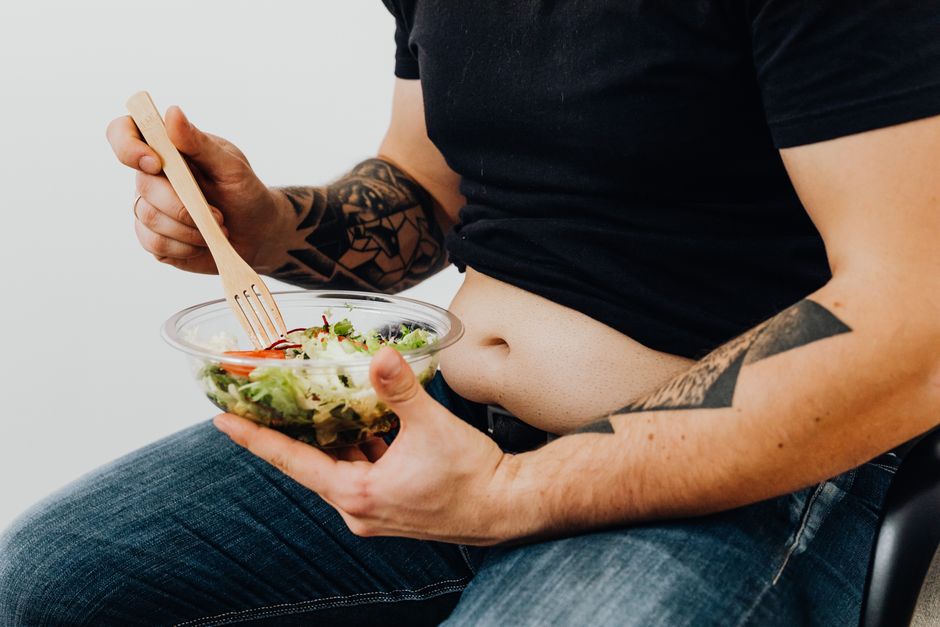
You cannot target fat loss from one specific area of your body. This is the first and most important thing to understand. Spot reduction — losing fat from just your lower belly — is a myth that the fitness industry has sold for decades. The real way to lose bottom belly fat involves reducing your overall body fat percentage through diet, exercise, and lifestyle changes. There is no fast fix, but there is a reliable path forward.
What Causes Lower Belly Fat in the First Place?
Lower belly fat is often more stubborn than fat elsewhere. This is partly because of biology. The fat in your lower abdomen tends to be visceral fat, which wraps around your internal organs. Visceral fat is more metabolically active than subcutaneous fat (the fat you can pinch). It responds to stress hormones and inflammation more directly.
Cortisol, the stress hormone, is a major player here. When you are chronically stressed, your body holds onto fat in the midsection. The CDC notes that chronic stress is linked to higher cortisol levels, which encourages fat storage in the abdomen. Poor sleep also raises cortisol. If you sleep less than six hours a night, your body produces more ghrelin (hunger hormone) and less leptin (fullness hormone). This combination makes losing lower belly fat harder.
Diet plays an obvious role. High intake of refined carbohydrates and added sugars leads to insulin spikes. Over time, insulin resistance makes it easier for your body to store fat around the middle. Alcohol is another factor. It is empty calories, and the body prioritizes burning alcohol over burning fat. This directly stalls fat loss from the belly.
Why Spot Reduction Does Not Work
You cannot do a thousand crunches and expect the fat above your abs to disappear. The fat cells in your lower belly do not burn locally when you exercise the muscles underneath. Research published in the Journal of Strength and Conditioning Research found that doing six weeks of abdominal exercises alone did not reduce belly fat. The participants got stronger abs, but the fat layer stayed the same.
Fat loss happens systemically. When you are in a calorie deficit, your body pulls fat from all over — not just where you want it to go first. Genetics determines the order. For many people, the lower belly is the last place to lose fat. That is frustrating, but it is also normal. The only way to see changes there is to stick with a calorie deficit long enough for your body to eventually tap into that area.
Some people report that certain exercises “tighten” the lower belly. That is not fat loss. That is muscle tone. If you strengthen the transverse abdominis (a deep core muscle), your stomach may appear flatter. But the fat cells are still there. You need overall fat loss to actually shrink them.
What Actually Works for Losing Lower Belly Fat?
The evidence points to three things working together: a modest calorie deficit, consistent strength training, and high-quality sleep. None of these are flashy. But they are what the research supports.
A calorie deficit of 300 to 500 calories per day is enough to lose about one pound per week. This is slow, but it is sustainable. Faster deficits often lead to muscle loss, which lowers your metabolism. The American Heart Association recommends a balanced diet with plenty of vegetables, lean protein, and fiber. Fiber is especially helpful because it increases fullness and reduces calorie intake without you having to think about it.
Strength training matters more than cardio for long-term fat loss. Muscle tissue burns more calories at rest than fat tissue does. The more muscle you have, the higher your resting metabolic rate. Research from the National Institutes of Health shows that resistance training preserves muscle mass during weight loss. This prevents your metabolism from slowing down as you lose weight.
Sleep is the underrated piece. A study published in the Annals of Internal Medicine found that dieters who slept 8.5 hours per night lost more fat than those who slept 5.5 hours. Both groups were on the same diet. The sleep-deprived group lost muscle instead of fat. If you are serious about losing bottom belly fat, prioritize seven to nine hours of sleep per night. It is not optional.
| Strategy | What It Does | Evidence Strength |
|---|---|---|
| Calorie deficit (300-500/day) | Reduces overall body fat | Strong — multiple clinical trials confirm |
| Strength training 3x/week | Preserves muscle, raises metabolism | Strong — NIH research supports |
| 7-9 hours sleep per night | Lowers cortisol, improves fat loss | Moderate — Annals of Internal Medicine study |
| High fiber intake (25-30g/day) | Increases fullness, reduces calorie intake | Strong — AHA guidelines |
| Reducing added sugar | Lowers insulin spikes, reduces fat storage | Strong — consistent across studies |





What to Avoid When Trying to Lose Bottom Belly Fat Fast
Avoid any product or plan that promises to melt belly fat in days. These are scams. Fat burners, detox teas, and waist trainers do not remove fat. They may cause temporary water loss, which makes you look leaner for a few hours. But the fat cells remain. The Federal Trade Commission has taken action against many companies making false fat-loss claims.
Avoid extreme calorie restriction. Eating fewer than 1200 calories per day triggers your body to hold onto fat. Your metabolism slows down to conserve energy. You may lose weight initially, but much of it will be water and muscle. Once you start eating normally again, the weight comes back — often as fat.
Avoid the “all cardio” trap. Running for an hour every day will burn calories, but it does not build muscle. Without muscle, your metabolism drops. You hit a plateau faster. A combination of strength training and moderate cardio is more effective.
Avoid alcohol if you can. Alcohol provides 7 calories per gram with no nutritional value. It also lowers inhibitions, making you more likely to overeat. If you do drink, stick to one serving and avoid sugary mixers.
Practical Steps You Can Start Today
Start with your plate. Fill half of it with vegetables, one quarter with lean protein, and one quarter with whole grains or starchy vegetables. This naturally reduces calorie intake without counting anything. Eat protein at every meal. Protein has the highest thermic effect of any macronutrient — your body burns about 20 to 30 percent of protein calories just digesting it.
Walk more. A 15-minute walk after meals lowers blood sugar spikes. This reduces the insulin surge that promotes fat storage. Walking is not intense, but it is consistent. That consistency matters more than sporadic high-intensity workouts.
- Strength train three times per week. Focus on compound movements: squats, deadlifts, rows, presses. These work multiple muscle groups at once and burn more calories.
- Do core exercises for muscle tone, not fat loss. Planks, dead bugs, and bird dogs strengthen the deep core. This improves posture and makes your stomach look flatter.
- Get sunlight in the morning. Morning light exposure helps regulate your circadian rhythm. Better sleep leads to lower cortisol and better fat loss.
- Drink water before meals. One study found that drinking 500ml of water 30 minutes before a meal led to greater weight loss over 12 weeks.
Track progress with measurements, not just the scale. Your waist circumference is a better indicator of visceral fat loss than your total weight. Measure around your belly button once a week. A decrease of one inch is real progress.
How Long Does It Take to See Results in the Lower Belly?
This depends on your starting body fat percentage and how consistently you apply the methods above. For most people, visible changes in the lower belly take 8 to 12 weeks. This is not fast. But it is honest. If you lose one pound per week, you will lose about 8 to 12 pounds in three months. That is enough to see a difference in your midsection for many people.
If you have more than 20 pounds to lose, it will take longer. The lower belly is often the last area to slim down. Do not judge progress by that area alone. Look at your face, your arms, your waistband. If other areas are changing, you are on the right track. The lower belly will follow — it just takes patience.
Some people report seeing a flatter stomach within two weeks of cutting out processed foods and alcohol. That is real, but it is mostly water weight and reduced bloating. It is not fat loss. Do not confuse the two. Water weight fluctuations can make you feel like you are succeeding or failing when neither is true. Stick with the process for at least three months before judging.
Frequently Asked Questions
Can I lose bottom belly fat fast with exercise alone?
No, you cannot lose belly fat with exercise alone. You need a calorie deficit through diet as well because exercise burns fewer calories than most people think.
What is the best exercise for lower belly fat?
There is no single best exercise for lower belly fat. Compound strength exercises like squats and deadlifts are more effective than crunches because they build muscle and raise your metabolism.
Does drinking water help lose belly fat?
Drinking water helps by increasing fullness and slightly boosting metabolism. It does not directly burn belly fat, but it supports the calorie deficit needed for fat loss.
How much weight do I need to lose to see lower belly changes?
Most people notice changes in their lower belly after losing 5 to 10 percent of their body weight. For a 180-pound person that means losing 9 to 18 pounds.
