
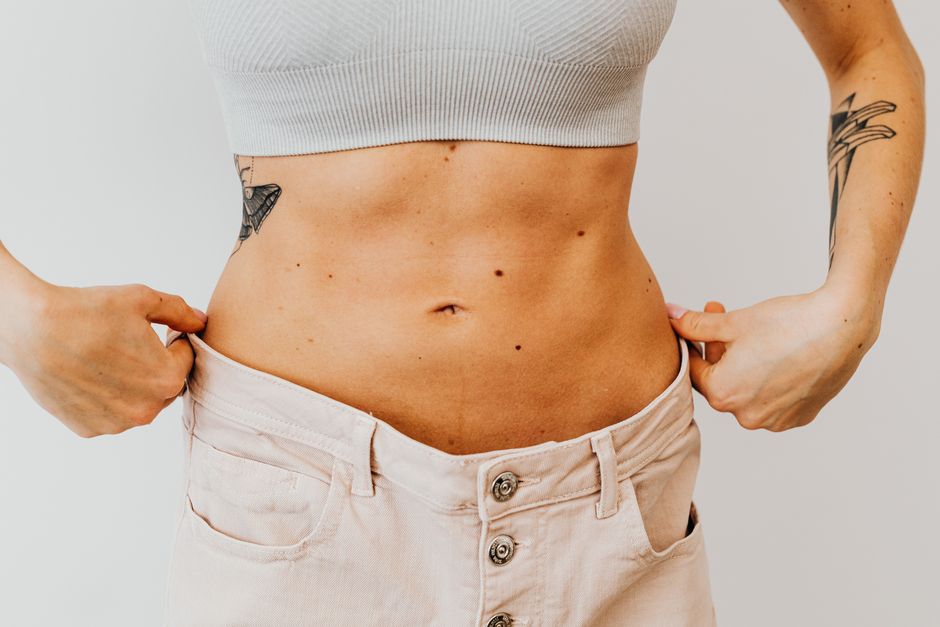
Losing belly fat in one week is not about spot reduction—it is about creating a calorie deficit and reducing bloat. A focused exercise plan combining full-body strength training, high-intensity interval cardio, and daily walking can help you drop water weight and reduce abdominal girth noticeably in seven days. While true fat loss takes longer, a week of consistent work can produce visible changes on the scale and in how your clothes fit.
What Can You Realistically Expect In One Week?
One week is enough time to see measurable changes, but you need to understand what is actually happening. You will lose some fat, but most of the early change comes from reduced water retention and less bloating.
Your body stores glycogen—a form of carbohydrates—in your muscles and liver. Each gram of glycogen holds about three grams of water. When you exercise and eat in a moderate calorie deficit, your body uses that glycogen, and the water goes with it. That is why the scale can drop several pounds in the first week even though actual fat loss is slower.
A safe and sustainable rate of fat loss is about one to two pounds per week. In seven days, you might lose two to four pounds total, with a portion of that being water. You will likely see your waist measurement decrease by half an inch to one inch. That is a realistic target.
How To Lose Belly Fat In A Week With An Exercise Plan: The Core Structure
Your exercise plan for the week needs three components: strength training, high-intensity interval training (HIIT), and steady-state cardio. Each plays a different role.
Strength training builds and preserves muscle. Muscle tissue burns more calories at rest than fat tissue. When you are in a calorie deficit, your body would rather break down muscle for energy. Lifting weights signals your body to keep that muscle and burn fat instead.
HIIT burns a high number of calories in a short time and creates an afterburn effect. This means your body continues burning extra calories for hours after the workout ends. HIIT also improves insulin sensitivity, which helps your body manage blood sugar more effectively.
Steady-state cardio like walking or light jogging adds to your total daily calorie burn without stressing your recovery. Walking after meals is particularly effective for blood sugar control.
Here is a seven-day plan that combines all three:
- Day 1: Full-body strength training (45 minutes) plus 10 minutes of walking after dinner
- Day 2: HIIT session (20 minutes) plus 10,000 steps throughout the day
- Day 3: Full-body strength training (45 minutes) plus 10 minutes of walking after dinner
- Day 4: Active recovery: 30–40 minutes of walking or gentle cycling
- Day 5: HIIT session (20 minutes) plus 10,000 steps
- Day 6: Full-body strength training (45 minutes) plus 10 minutes of walking after dinner
- Day 7: Rest day with light walking only
This structure gives you three strength sessions, two HIIT sessions, and daily low-intensity movement. The rest day is not optional. Recovery is when your body adapts and gets stronger.
What Exercises Target The Whole Body Most Effectively?
Compound movements are the most efficient exercises for fat loss because they engage multiple muscle groups at once. They burn more calories per minute than isolation exercises and build functional strength.
For your strength training days, include these five movements:
- Squats: Bodyweight, goblet, or barbell variations. Squats work your legs and core simultaneously.
- Deadlifts: Romanian or conventional. These target the posterior chain—hamstrings, glutes, and lower back.
- Push-ups: If you cannot do full push-ups, do them on your knees or against a wall. They work the chest, shoulders, and triceps.
- Rows: Dumbbell rows or resistance band rows. These balance the push-ups and strengthen the upper back.
- Planks: Hold a forearm plank for 30–60 seconds. This builds core endurance, which supports better posture and a flatter stomach appearance.
Perform three sets of 8–12 repetitions for each exercise. Rest 60–90 seconds between sets. Focus on controlled form rather than speed. A slow, controlled rep with good technique builds more muscle than a fast, sloppy one.
For your HIIT sessions, choose movements that raise your heart rate quickly. Sprint intervals on a bike, rower, or treadmill work well. A simple protocol: warm up for 3 minutes, then alternate 30 seconds of maximum effort with 60 seconds of easy recovery. Repeat for 10 rounds. Cool down for 2 minutes.
If you have joint issues or are new to exercise, use a stationary bike for HIIT. It is lower impact than running and easier on the knees.





Why Crunches Alone Will Not Reduce Belly Fat
Spot reduction is a myth. Doing hundreds of crunches will strengthen your abdominal muscles, but it will not selectively burn the fat covering them. Fat loss happens systemically—your body decides where to draw fat from based on genetics and hormones, not on which muscles you exercise.
Research consistently shows that abdominal exercises alone do not reduce belly fat. One well-known study compared participants who did abdominal exercises with those who did not. Both groups lost the same amount of belly fat when their diets were controlled. The crunches did not target fat loss to the midsection.
Your abdominal muscles exist underneath the fat layer. If you strengthen them but do not reduce body fat, you will have stronger abs that you cannot see. The exercise plan above works because it creates a total calorie deficit, which reduces overall body fat, including the fat around your waist.
That said, core training is still valuable. A strong core improves your posture, which can make your stomach look flatter immediately. It also reduces lower back pain and improves your performance in other exercises.
Does Diet Matter More Than Exercise For Belly Fat?
Yes. You cannot out-exercise a poor diet. Exercise burns a limited number of calories compared to what a day of eating can add.
For example, a 30-minute run burns roughly 300–400 calories for a 160-pound person. One fast-food meal can easily contain 1,000–1,500 calories. The math is simple: your diet must create the calorie deficit, and exercise amplifies it.
For this week, focus on these dietary adjustments:
- Reduce sodium: Sodium causes water retention. Cut back on processed foods, restaurant meals, and salty snacks. Cook at home with herbs and spices instead of salt.
- Increase potassium: Potassium balances sodium and helps your body release excess water. Bananas, sweet potatoes, spinach, and avocados are good sources.
- Drink water: It sounds counterintuitive, but drinking more water helps your body flush out retained fluid. Aim for 8–10 cups per day.
- Eat protein at every meal: Protein keeps you full and preserves muscle during a calorie deficit. Aim for 20–30 grams of protein per meal from eggs, chicken, fish, Greek yogurt, or beans.
- Cut liquid calories: Soda, juice, sweetened coffee drinks, and alcohol add calories without filling you up. Water, black coffee, and unsweetened tea are better choices.
Alcohol is especially problematic for belly fat. Your body prioritizes metabolizing alcohol over burning fat. When alcohol is in your system, fat burning pauses. Skipping alcohol for the week will noticeably reduce bloat and calorie intake.
What About Sleep And Stress?
Sleep and stress directly affect belly fat. Poor sleep increases ghrelin, the hormone that stimulates hunger, and decreases leptin, the hormone that signals fullness. You will feel hungrier and less satisfied after a bad night of sleep.
Lack of sleep also raises cortisol, the primary stress hormone. Elevated cortisol signals your body to hold onto fat, particularly around the midsection. High cortisol levels are associated with increased abdominal fat storage.
Aim for 7–9 hours of sleep per night this week. Keep your bedroom cool and dark. Put your phone away an hour before bed—the blue light from screens suppresses melatonin, which is the hormone that regulates sleep.
For stress management, even 10 minutes of deep breathing per day can lower cortisol. Try this: inhale for 4 seconds, hold for 4 seconds, exhale for 6 seconds. Repeat for 5–10 minutes. This activates your parasympathetic nervous system, which counteracts the stress response.
What Are The Common Mistakes That Sabotage Results?
Several mistakes can derail your week. The most common is overtraining. More is not better. Doing two hours of cardio every day will exhaust you, increase cortisol, and make it harder to stick to your plan. Your body needs rest to recover and adapt.
Another mistake is ignoring form for intensity. If you sacrifice technique to lift heavier weights or move faster, you risk injury. An injury will stop your progress entirely. Use a weight that challenges you but allows you to maintain proper form for all repetitions.
Weighing yourself daily is also counterproductive. Your weight fluctuates naturally by 2–4 pounds throughout the day based on food, water, and sodium intake. Weigh yourself once in the morning before eating, or better yet, measure your waist with a tape measure. The tape measure is a more accurate reflection of changes in belly fat.
Finally, do not expect perfection. You might miss a workout or eat something unplanned. That is fine. What matters is what you do most of the time, not occasionally. One bad meal or one missed session will not undo six days of consistency.
Frequently Asked Questions
Can I lose belly fat in just 7 days?
You can reduce belly measurement in 7 days by losing water weight and reducing bloat, but true fat loss takes longer. Expect a noticeable change in how your clothes fit rather than a dramatic transformation.
How many minutes should I exercise each day to lose belly fat?
Aim for 30–45 minutes of structured exercise on most days, plus daily walking. The quality and consistency of your workouts matter more than a specific minute count.
Is walking enough to lose belly fat?
Walking alone is usually not enough to create a meaningful calorie deficit for fat loss. Combine daily walking with strength training and HIIT for the best results in a week.
What is the best exercise for losing belly fat fast?
Full-body strength training combined with HIIT is the most effective approach. Compound movements like squats and deadlifts burn more calories and build muscle, which raises your resting metabolism.
