
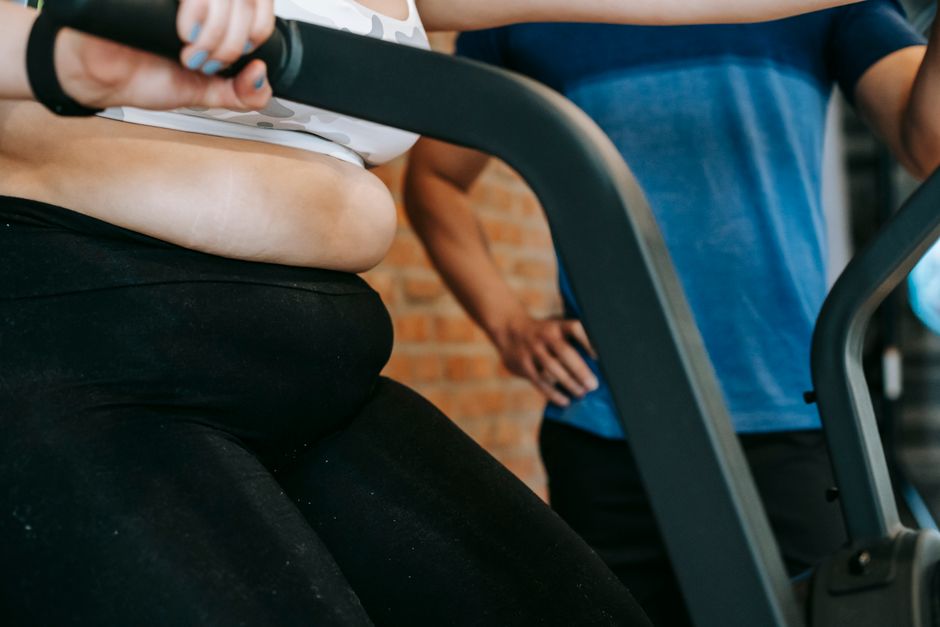
Yes, you can lose belly fat without doing cardio. Fat loss comes down to a calorie deficit, and your body does not check whether that deficit came from running, lifting weights, or eating less. What changes when you skip cardio is how much muscle you keep, how hungry you feel, and how sustainable the whole thing is.
Belly fat is stubborn for reasons that have little to do with cardio. Where your body stores fat is driven largely by genetics, hormones, age, and sex. Spot reduction — targeting fat in one area with a specific exercise — does not work. Hundreds of sit-ups will build abdominal muscle, but they will not burn the fat sitting on top of it.
The good news: resistance training, diet, sleep, and stress management can all move belly fat in the right direction. Here is what the evidence actually supports.
Why Belly Fat Is Different From Other Fat
Not all fat behaves the same way. The fat just under your skin is called subcutaneous fat. The fat packed around your internal organs is called visceral fat. Visceral fat is the one tied to higher risks of heart disease, type 2 diabetes, and metabolic syndrome.
Visceral fat is also more metabolically active. It releases inflammatory signals and hormones that affect how your body handles insulin and blood sugar. That is one reason waist size matters as a health marker, not just a cosmetic one.
Here is the non-obvious part: visceral fat tends to respond to a calorie deficit faster than subcutaneous fat does. So when people start losing weight, they sometimes notice their waist shrinking before their arms or thighs change much. That is not a trick of measurement. It reflects how different fat depots mobilize.
You cannot choose where fat comes off first. But you can influence how much total fat you lose, and visceral fat usually comes along for the ride.
Can You Lose Belly Fat Without Cardio Heres How
Resistance training is the most effective non-cardio tool for changing body composition. Lifting weights, using resistance bands, or doing bodyweight strength work builds and preserves muscle. Muscle burns more calories at rest than fat does, though the difference is smaller than most people assume.
The bigger benefit is what happens during a calorie deficit. When you eat less without resistance training, a meaningful portion of the weight you lose can come from muscle. That lowers your resting metabolic rate and makes it harder to keep the weight off. Resistance training signals your body to hold onto muscle while fat comes off.
How often? General physical activity guidelines recommend muscle-strengthening activities on at least two days per week for adults. That is a floor, not a ceiling. Many people who train for body composition do three to four sessions weekly.
Protein intake matters here too. Higher protein intake helps preserve muscle during weight loss and tends to reduce hunger. Good sources include chicken, fish, eggs, Greek yogurt, beans, lentils, and tofu.
None of this requires a treadmill. A well-built strength program plus a modest calorie deficit can reduce belly fat effectively.
Does Diet Matter More Than Exercise for Belly Fat?
For most people, diet drives fat loss more than any single exercise choice. It is much easier to create a calorie deficit by eating less than by trying to burn it off. A single indulgent meal can erase an hour of hard exercise.
That does not mean exercise is unimportant. It means the two do different jobs. Diet creates the deficit. Exercise — especially resistance training — shapes what kind of weight you lose.
What tends to work for belly fat specifically:
- Protein at every meal. It supports muscle retention and keeps you full.
- Fiber-rich foods. Vegetables, fruit, beans, and whole grains slow digestion and reduce cravings.
- Fewer ultra-processed foods. These tend to be calorie-dense and easy to overeat.
- Limited added sugar and refined carbs. Not banned, just not the base of your diet.
- Alcohol in moderation or less. Heavy drinking is linked to more visceral fat.
A modest deficit — enough to lose roughly a pound per week — is generally more sustainable than aggressive dieting. Slow loss also preserves more muscle.




What About Walking and Daily Movement?
Walking is not cardio in the traditional sense, and it is not resistance training either. It sits in a useful middle ground. It burns calories, supports heart health, and rarely leaves you so depleted that you skip your strength sessions.
Daily movement outside of formal exercise — sometimes called non-exercise activity thermogenesis, or NEAT — can add up significantly. Fidgeting, standing, taking stairs, and walking during phone calls all contribute. For people with desk jobs, this is often the easiest lever to pull.
Walking will not build much muscle on its own. But it can help create the calorie deficit that drives fat loss, and it is gentle enough to do most days.
Can You Target Belly Fat With Ab Exercises?
No. Ab exercises strengthen and build the muscles underneath the fat, but they do not burn fat from that specific area. This is one of the most persistent myths in fitness.
That said, core training still has value. A stronger core supports posture, reduces injury risk, and improves how your midsection looks once body fat comes down. Think of it as building the frame, not removing the covering.
If you want visible abs, the path is lower total body fat — not more crunches. And how low you need to go depends heavily on genetics and where your body prefers to store fat.
What Else Affects Belly Fat Besides Diet and Exercise?
Sleep and stress are not side notes. They directly influence hormones that drive appetite and fat storage.
Chronic short sleep is associated with higher levels of ghrelin (which increases hunger) and lower levels of leptin (which signals fullness). It also raises cortisol. Over time, that combination tends to push people toward eating more and storing more visceral fat.
Chronic stress does something similar. Elevated cortisol over long periods is linked to increased abdominal fat storage. This does not mean stress alone causes belly fat. It means stress makes the other factors harder to manage.
Age and hormones matter too. Menopause is associated with a shift toward more abdominal fat storage in women, even without weight gain. Low testosterone in men can have a similar effect. These are real physiological changes, not personal failures.
Medical conditions like hypothyroidism, Cushing’s syndrome, and polycystic ovary syndrome can also affect weight and fat distribution. If belly fat is increasing rapidly or alongside other symptoms, that is worth discussing with a doctor.
Is Skipping Cardio Actually Better for Belly Fat?
Not necessarily better — just not required. Cardio has real benefits for heart health, endurance, and mood. If you enjoy it, there is no reason to drop it.
The problem is when cardio becomes the only strategy. Endless cardio without resistance training and without a handle on diet often leads to muscle loss, stalled progress, and a lot of time spent for modest results.
A reasonable approach for most people:
- Strength train two to four times per week.
- Eat in a modest calorie deficit with adequate protein.
- Stay active throughout the day.
- Protect your sleep.
- Add cardio if you enjoy it or want the cardiovascular benefits.
Belly fat comes off when the total picture supports fat loss. Cardio is one option among several — not the price of admission.
Frequently Asked Questions
Can you lose belly fat without doing any cardio at all?
Yes. Fat loss depends on a calorie deficit, which you can create through diet and resistance training alone. Cardio is helpful but not required.
How long does it take to lose belly fat without cardio?
Most people can expect gradual changes over weeks to months, with roughly one pound of fat loss per week being a sustainable pace. Visible belly changes often take longer because fat loss happens across the whole body.
Do ab exercises burn belly fat?
No. Ab exercises strengthen core muscles but do not remove fat from that area. Spot reduction does not work.
Is walking enough to lose belly fat?
Walking can help create a calorie deficit and supports heart health, but it builds little muscle on its own. Pairing it with resistance training and a solid diet works better for body composition.
