
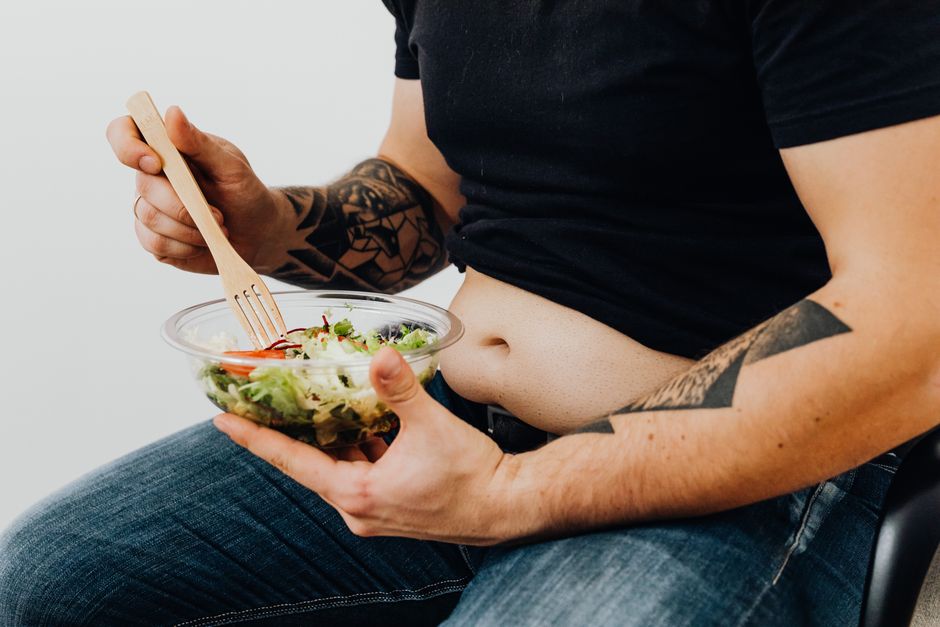
Belly fat is not just about how your clothes fit. It is a health issue. The type of fat that collects around your organs, called visceral fat, is linked to heart disease, type 2 diabetes, and high blood pressure. You cannot spot-reduce fat from one area. But you can change your diet to lower overall body fat, and science shows that certain foods and eating patterns specifically target the fat your body stores in the midsection. The most effective diet plan is not a single magic food. It is a consistent pattern of eating that controls insulin, reduces inflammation, and creates a sustainable calorie deficit.
Why Belly Fat Is Different From Other Body Fat
Your body stores fat in two main ways. Subcutaneous fat sits just under the skin. You can pinch it. Visceral fat sits deep inside the abdomen, wrapped around your liver, intestines, and other organs. Visceral fat is more metabolically active. It releases inflammatory compounds into the bloodstream. This is why waist circumference matters more than weight on a scale for predicting certain health risks.
Visceral fat responds to diet and exercise faster than subcutaneous fat. This is good news. When you lose weight through diet changes, a significant portion of the early loss comes from visceral fat. Studies have shown that even modest weight loss of 5 to 10 percent of body weight can reduce visceral fat substantially. This means you do not need to reach an “ideal” weight to see meaningful changes in your midsection.
What Foods Actually Reduce Belly Fat
Some foods have specific properties that help regulate the hormones involved in fat storage. Protein is the most important. High-protein diets increase satiety, meaning you feel full longer. Protein also has a higher thermic effect than carbohydrates or fat, which means your body burns more calories digesting it. Research consistently shows that people who eat 25 to 30 percent of their calories from protein lose more belly fat than those who eat less.
Fiber is the second critical component. Soluble fiber, in particular, forms a gel in your gut that slows digestion. This helps control blood sugar spikes after meals. Foods rich in soluble fiber include oats, barley, beans, lentils, apples, and carrots. One study found that for every 10 grams of soluble fiber eaten daily, visceral fat accumulation decreased by 3.7 percent over five years. That is a measurable difference from a simple dietary change.
Monounsaturated fats also play a role. Avocados, olive oil, and nuts contain these fats. They are not fattening when eaten in moderation. In fact, some research suggests that a diet rich in monounsaturated fats prevents the accumulation of belly fat specifically, compared to diets high in saturated fats or refined carbohydrates.
Foods That Increase Belly Fat
Refined carbohydrates are the primary driver of visceral fat accumulation. White bread, white rice, pastries, sugary drinks, and processed snacks spike blood sugar rapidly. Your pancreas releases insulin to bring blood sugar down. Insulin is a fat-storage hormone. When insulin levels are chronically high, your body stores more fat, particularly in the abdominal area.
Sugar-sweetened beverages deserve special attention. Liquid calories do not trigger the same fullness signals as solid food. You can drink 500 calories of soda and still feel hungry. Studies have repeatedly linked sugary drink consumption to increased visceral fat. One study found that people who drank sugar-sweetened beverages daily had 10 percent more visceral fat than those who did not, even when total calorie intake was similar.
Trans fats are the worst. They are largely banned in the United States now, but they still appear in some processed foods. Trans fats are directly linked to fat redistribution toward the abdomen. Check ingredient labels for “partially hydrogenated oil” and avoid it entirely.





The Science Behind Meal Timing and Intermittent Fasting
Meal timing matters, but not for the reasons many people think. The evidence on intermittent fasting is mixed. Some studies show it helps with weight loss and visceral fat reduction. Others show it is no better than simply counting calories. The key mechanism is not magic. Fasting simply creates a calorie deficit for most people because they eat fewer meals.
What the research supports more strongly is eating most of your calories earlier in the day. Your body is more insulin-sensitive in the morning. A large dinner late at night causes a bigger blood sugar spike than the same meal eaten at lunch. Some studies suggest that eating a bigger breakfast and smaller dinner improves insulin sensitivity and reduces belly fat, even when total daily calories are identical. This pattern is worth trying if you find it sustainable.
Do not skip breakfast entirely if that makes you overeat later. The evidence does not support a universal rule about breakfast. The better principle is to avoid eating large meals late at night, especially within two to three hours of bedtime.
What To Eat: A Simple Science-Backed Plan
You do not need a complicated meal plan. You need a template that you can repeat. Base every meal on these three components. First, a lean protein source. Chicken breast, fish, eggs, Greek yogurt, tofu, or beans. Second, a large serving of vegetables. Leafy greens, broccoli, peppers, or cauliflower. Third, a small serving of complex carbohydrates or healthy fats. Brown rice, quinoa, sweet potato, avocado, or olive oil.
Here is what a day looks like. Breakfast could be three eggs scrambled with spinach and a slice of whole-grain toast. Lunch could be a large salad with grilled chicken, olive oil, and vinegar. Dinner could be baked salmon with roasted broccoli and a small sweet potato. Snacks, if needed, could be an apple with peanut butter or a handful of almonds.
The portion sizes matter. A reasonable starting point is a palm-sized portion of protein, two cupped handfuls of vegetables, and one cupped handful of carbohydrates or fats at each meal. This naturally creates a calorie deficit without strict counting. Most people lose weight on this template because it removes processed foods and emphasizes whole ingredients.
How To Lose Belly Fat Diet Plan Backed By Science: Putting It Together
The science-backed plan is simple in principle but requires consistency. Reduce refined carbohydrates and sugary drinks. Increase protein to 25 to 30 percent of your daily calories. Eat 25 to 30 grams of fiber daily from whole foods. Use monounsaturated fats instead of saturated fats. Eat most of your calories earlier in the day. Create a moderate calorie deficit of 300 to 500 calories per day.
This combination works because it addresses the underlying mechanisms of fat storage. Lower insulin levels mean less fat storage. Higher protein means more satiety and less overeating. More fiber means better blood sugar control and a healthier gut microbiome. The result is a gradual reduction in visceral fat that is sustainable over months, not a rapid loss that comes back.
Avoid crash diets. Very low-calorie diets cause muscle loss alongside fat loss. When you lose muscle, your metabolism slows, and you are more likely to regain the weight. The goal is to lose fat while preserving muscle. This requires adequate protein and a moderate calorie deficit, not an extreme one.
Common Myths About Belly Fat Diets
Detox teas and juice cleanses do not reduce belly fat. They cause temporary water loss and bowel movements. The weight returns as soon as you eat normally. No clinical evidence supports their use for fat loss.
Certain “fat-burning” foods like grapefruit, celery, or green tea have minor effects at best. Green tea contains catechins that may slightly increase metabolism, but the effect is too small to matter without overall dietary changes. These foods are healthy additions, but they are not solutions.
Eating late at night does not automatically store food as fat. Your body does not have a “cutoff time” for fat storage. What matters is total calories and the quality of those calories. A late-night snack of vegetables and hummus is not the same as a late-night bowl of ice cream.
Frequently Asked Questions
How quickly can I lose belly fat with diet changes?
Most people see measurable changes in waist circumference within 4 to 8 weeks of consistent dietary changes. Visceral fat responds to weight loss faster than subcutaneous fat, so early results often show up in the midsection first.
Do I need to cut out all carbohydrates to lose belly fat?
No. You need to reduce refined carbohydrates like white bread and sugary drinks, not complex carbohydrates like vegetables, beans, and whole grains. Complex carbs provide fiber that helps control blood sugar and reduce visceral fat.
Is alcohol making my belly fat worse?
Yes, especially beer and sugary mixed drinks. Alcohol provides empty calories and reduces fat burning while your body processes it. Studies link heavy alcohol consumption to increased visceral fat, so limiting intake to moderate levels or less is advisable.
Can I lose belly fat without exercise?
Yes, diet alone can reduce belly fat. Research shows that dietary changes are more effective than exercise alone for weight loss. However, combining diet with both cardio and strength training produces the best results for reducing visceral fat and preserving muscle.
