
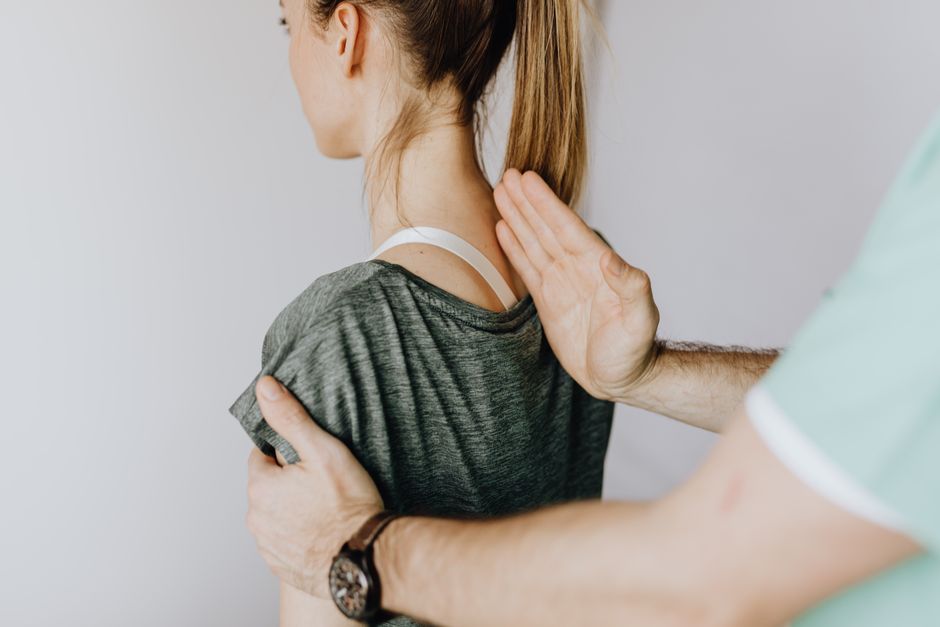
That area between your shoulder blades is a common trouble spot. You might notice it as a bulge above your bra line or a stubborn pad that makes your back look wider than you want. The honest truth is you cannot spot-reduce fat from one specific area. But you can change the overall shape of your upper back through a combination of targeted strength training and smart nutrition choices. The key is building muscle in the right places while lowering your overall body fat percentage. This article explains exactly what works, what does not, and why most advice you hear about this topic is wrong.
What Actually Causes Fat Between the Shoulder Blades?
Fat accumulates between the shoulder blades for the same reasons it accumulates anywhere else on your body. Your genetics determine where your body prefers to store fat. Some people store it in their belly first. Others store it in their hips, thighs, or upper back. You cannot choose where your body drops fat first either. That is determined by your genetics and hormones.
Poor posture makes the appearance of shoulder blade fat worse. When you slouch forward with rounded shoulders, the skin and tissue between your shoulder blades compresses and bulges outward. This creates the illusion of more fat than actually exists. Correcting your posture can visibly reduce the appearance of this area within weeks, even before any fat is lost.
Hormonal changes also play a role. Women going through perimenopause and menopause often report increased fat storage in the upper back and shoulders. Research published in the journal Menopause found that declining estrogen levels shift fat storage patterns. The body starts storing more fat in the upper body and less in the hips and thighs. This is a real biological change, not just a sign you are doing something wrong.
Can Specific Exercises Get Rid of Shoulder Blade Fat?
No exercise can burn fat from a specific spot. This is called spot reduction, and it has been debunked by decades of research. When you exercise a muscle group, your body pulls energy from fat stores throughout your entire body, not just the area near the working muscle. Doing a hundred shoulder blade exercises will strengthen your back muscles but will not specifically burn the fat sitting on top of them.
That does not mean exercises are useless. They are essential for changing the shape and appearance of your upper back. Building the muscles around your shoulder blades creates a firmer, more lifted look. As those muscles grow, they fill out the area and reduce the sagging or bulging appearance. Combined with overall fat loss, this creates visible change.
The most effective exercises target the rhomboids, trapezius, and rear deltoids. These are the muscles that pull your shoulders back and down. Rows, face pulls, reverse flys, and pull-ups all work well. You do not need fancy equipment. Resistance bands and dumbbells are enough to build noticeable strength and shape in this area.
How To Get Rid Of Shoulder Blade Fat Exercises And Diet That Actually Work
The combination that works is simple in concept but requires consistency. You need to build muscle in your upper back while creating a calorie deficit to lower overall body fat. Neither alone will give you the result you want. Building muscle without losing fat will make your back look thicker. Losing fat without building muscle will make the area looser and less defined.
Here is what the research supports for the exercise side of this equation:
- Compound pulling exercises like bent-over rows and lat pulldowns build the major back muscles that improve posture and shape
- Isolation exercises like face pulls and reverse flys target the smaller muscles between the shoulder blades that create definition
- Progressive overload is non-negotiable. You must gradually increase weight or reps over time to stimulate muscle growth
- Consistency matters more than intensity. Three strength sessions per week for 12 weeks will produce visible change. One intense workout per month will not
For diet, the approach is straightforward. You need to eat slightly fewer calories than your body burns each day. A deficit of 300 to 500 calories per day is enough to lose about half a pound to one pound of fat per week. This is slow enough to preserve muscle and sustainable enough to stick with for months.
Protein intake becomes more important when you are in a calorie deficit. Aim for at least 0.7 grams of protein per pound of body weight per day. This helps your body prioritize muscle repair over breaking down muscle for energy. Good sources include chicken, fish, eggs, Greek yogurt, and plant proteins like lentils and tofu.




What About Posture and Bra Fit?
Posture correction is one of the fastest ways to change how your upper back looks. When you stand with your shoulders rolled forward and your head jutting out, the space between your shoulder blades compresses. The skin and fat in that area buckle outward. Standing tall with your shoulders back and down flattens that area immediately.
A simple test proves this. Stand in front of a mirror and slouch as much as you can. Look at the area between your shoulder blades. Now stand up straight, pull your shoulders back and down, and look again. The difference is visible in seconds. That is not fat loss. That is posture changing how the tissue sits on your frame.
Bra fit also matters more than most women realize. A bra that is too tight across the back will create deep indentations and push tissue outward above and below the band. This creates the appearance of back fat or bulges that are actually just compressed tissue. Getting properly fitted for a bra can eliminate this issue overnight. Most women wear a band size that is too large and a cup size that is too small. A professional fitting at a department store is worth the time.
| Method | What It Does | Timeframe for Visible Change |
|---|---|---|
| Strength training | Builds muscle to firm and shape the area | 8-12 weeks with consistent effort |
| Calorie deficit | Lowers overall body fat including upper back | 4-8 weeks depending on deficit size |
| Posture correction | Reduces bulging appearance immediately | Instant improvement, permanent with practice |
| Bra fit adjustment | Eliminates compression bulges | Immediate |
What Does Not Work and Why
Spot reduction devices are a waste of money. Those electronic muscle stimulators or vibrating belts that claim to melt fat from your back do not work. The Federal Trade Commission has taken action against multiple companies making these claims. Fat cannot be zapped, melted, or shaken off from one area. It must be metabolized through your body’s natural energy systems.
Waist trainers and back compression garments create a temporary visual change. They push the tissue flat while you wear them. The moment you take them off, everything returns to normal. They do not change the underlying fat or muscle at all. Some people report discomfort, skin irritation, and even rib bruising from prolonged use.
Extreme dieting also backfires. Severely restricting calories below 1,200 per day for women or 1,500 per day for men causes muscle loss along with fat loss. Losing muscle in your back makes the area looser and less defined. Your metabolism also slows down, making it harder to lose fat long term. Slow and steady is the only approach that preserves muscle and keeps your metabolism running.
Liposuction is an option for stubborn fat deposits, but it comes with risks. The upper back is a sensitive area with complex anatomy. A 2019 review in Aesthetic Surgery Journal found that complication rates for upper back liposuction are higher than for other areas. These include contour irregularities, seromas, and nerve damage. Most surgeons recommend trying diet and exercise for at least six months before considering surgery.
Common Misconceptions About Shoulder Blade Fat
The biggest misconception is that this fat is somehow different from fat anywhere else on your body. It is not. It is regular subcutaneous fat stored in a location that happens to be visible and frustrating. There is nothing special about it that requires special treatments or products.
Another common belief is that doing more cardio will fix it. Cardio burns calories, which helps with overall fat loss. But it does not target the upper back specifically. If you enjoy cardio, keep doing it for the health benefits and calorie burn. Just know that strength training for your back is what changes the shape of the area.
Some people think that losing weight quickly will make the problem worse because the skin will sag. This is partially true. Rapid weight loss can leave loose skin, especially in people over 40 whose skin has less elasticity. But building the underlying muscles fills out the skin and reduces sagging. That is why the combination of strength training and moderate fat loss works better than either alone.
There is also a persistent myth that certain foods cause fat to accumulate specifically on the back. No food targets fat storage to one area. Eating excess calories from any source will contribute to overall fat gain. Your genetics decide where that fat goes. The idea that carbs or sugar specifically create back fat is not supported by any evidence.
How Long Until You See Results?
This depends on your starting point and your consistency. Most people see a visible difference in the mirror after 8 to 12 weeks of consistent strength training and a moderate calorie deficit. The change is gradual. You will notice it first in how your clothes fit. Bras and fitted shirts will feel looser across the back before you see a dramatic change in the mirror.
Posture improvements are visible immediately but take practice to maintain. Your muscles have likely adapted to a slouched position over years. It will feel unnatural at first to hold your shoulders back. Daily posture exercises and reminders are needed to retrain those muscles. A physical therapist or good online posture program can help speed this up.
Strength gains happen faster than visual changes. You will be able to lift heavier weights and do more reps within 4 to 6 weeks. This is a real sign that your back muscles are growing, even if the fat layer on top has not fully changed yet. Trust the process. The visual change follows the strength change by a few weeks.
If you are not seeing any change after 12 weeks, check your calorie intake. Many people underestimate how much they eat. A food diary for one week can reveal hidden calories from sauces, drinks, or snacks. Also check that you are progressively overloading your muscles. If you have been doing the same weight and reps for months, your muscles have no reason to grow.
Frequently Asked Questions
Can I lose fat from my shoulder blades without losing weight overall?
No. Fat loss cannot be targeted to one area. You must lower your overall body fat to see fat loss between your shoulder blades.
How many days per week should I train my back?
Two to three strength sessions per week is enough for most people. Your back muscles need rest days to recover and grow.
Do back exercises burn fat from the shoulder blade area?
No. They build muscle underneath the fat, which improves shape and firmness. Fat loss comes from a calorie deficit, not specific exercises.
Is shoulder blade fat a sign of a health problem?
Usually not. It is typically just genetic fat distribution. In rare cases, a fatty lump could be a lipoma, which is benign. Consult a doctor if it feels hard or grows quickly.
