
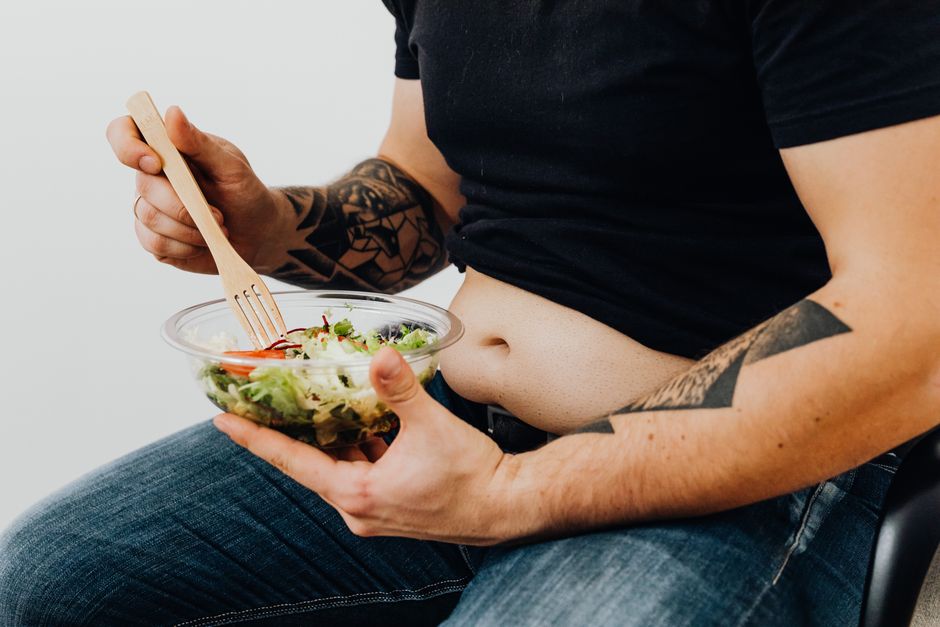
Losing belly fat after breast reduction surgery is possible with a gradual return to exercise and a focus on whole foods, but you must wait for your surgeon’s clearance before starting any workout routine. The key is to begin with walking and gentle daily movement, then progress to strength training and cardio while prioritizing your incision healing above all else. Patience is essential because your body needs time to heal, and your weight will naturally fluctuate during recovery.
How Soon Can I Exercise After Breast Reduction?
Your surgeon is the only person who can tell you when it is safe to exercise. In general, the first two weeks after surgery are for rest and light walking only. Walking around your house is encouraged to prevent blood clots, but you should not be doing any intentional cardio or lifting anything heavier than a few pounds.
Most surgeons clear patients for more serious exercise between four and six weeks after surgery. This timeline exists because the incisions need time to close and the tissue needs time to reattach. If you start jumping, running, or lifting weights too early, you risk opening your incisions or causing fluid to build up.
Listen to your body during this period. If an activity causes pulling, sharp pain, or stretching sensations near your incisions, stop immediately. Your body will give you clear signals about what it is ready for, and ignoring those signals can set your recovery back by weeks.
Why Belly Fat Can Be Stubborn After Surgery
Breast reduction surgery does not directly change how your body stores fat in your abdomen. The procedure removes breast tissue and fat from your chest, but it does not alter your metabolism or your genetic tendency to carry weight in your midsection.
What does change is your activity level. During the first month of recovery, you are moving far less than normal. This drop in daily energy expenditure means your body burns fewer calories, and if your eating habits stay the same, some of that extra energy gets stored as fat.
Hormones also play a role. Surgery triggers a stress response in your body that raises cortisol levels. Elevated cortisol is associated with increased abdominal fat storage, and this effect can linger for several weeks while your body repairs itself. This does not mean the belly fat is permanent — it means your body is temporarily in a healing state that favors fat storage around the midsection.
What Should I Eat to Lose Belly Fat After Breast Reduction?
Your diet during recovery needs to serve two purposes: healing your incisions and managing your weight. These goals work together when you focus on protein, fiber, and vegetables.
Protein is critical for tissue repair. Your body needs amino acids to rebuild the skin, muscle, and connective tissue damaged during surgery. Good sources include chicken, fish, eggs, Greek yogurt, beans, and lentils. Aim to include a source of protein at every meal rather than loading up at dinner only.
Fiber helps with digestion and keeps you full between meals. Vegetables, fruits, and whole grains provide the fiber your body needs without adding excessive calories. When you feel full from fiber-rich foods, you are less likely to reach for snacks that contribute to belly fat.
You do not need to follow a strict diet. You need to create a modest calorie deficit while giving your body the nutrients it needs. A simple approach is to reduce portion sizes of refined carbohydrates and sugary drinks while increasing your intake of vegetables and lean proteins. Processed foods high in sugar and refined flour are the main contributors to abdominal fat, and cutting back on them will make a measurable difference.




What Exercises Target Belly Fat Safely?
No exercise can spot-reduce belly fat. This is a well-established fact in exercise science. When you lose weight, your body decides where the fat comes off, and genetics largely determine that pattern. You cannot do a thousand crunches and expect the fat over your abdomen to disappear.
What you can do is build muscle and burn calories. After your surgeon clears you for exercise, focus on full-body strength training rather than isolated ab work. Squats, lunges, push-ups, and rows engage your core naturally while building muscle in larger muscle groups. More muscle means a slightly higher resting metabolic rate, which helps you burn more calories throughout the day.
Cardiovascular exercise is equally important. Brisk walking, cycling, swimming, and using an elliptical machine are all excellent options that do not put excessive strain on your upper body. Start with twenty minutes per session and gradually increase the duration as your energy levels return. The goal is consistency, not intensity, especially in the first few months after surgery.
When you do add core exercises, start with gentle movements. Pelvic tilts, heel slides, and diaphragmatic breathing are safe early options. Planks, crunches, and sit-ups should wait until your incisions are fully healed and your surgeon confirms your abdominal wall can handle the pressure.
How Long Will It Take to See Results?
Realistic expectations protect you from frustration. Most people can safely return to a full exercise routine by the two-month mark, but visible changes in belly fat typically take three to six months of consistent effort.
Your body is still healing internally for several months after surgery. Swelling can make your abdomen look larger than it actually is, and this swelling can take up to three months to fully resolve. What you see in the mirror at six weeks is not your final result.
Weight loss of one to two pounds per week is a healthy and sustainable rate. This means that after three months of consistent eating and exercise, you could reasonably expect to lose ten to twenty pounds if that is your goal. Some of that weight will come from your abdomen, but the exact distribution depends on your body.
What Mistakes Slow Down Belly Fat Loss?
Returning to exercise too quickly is the most common mistake. People feel good at three weeks, start running, and then experience pain, swelling, or wound complications that force them to stop exercising entirely. This setback costs more time than taking it slow in the first place.
Another mistake is cutting calories too aggressively. Severe calorie restriction during recovery deprives your body of the energy it needs to heal. This can prolong your recovery and cause muscle loss, which slows your metabolism. Your body needs adequate fuel to repair itself, and healing always takes priority over fat loss.
Comparing your results to others is also counterproductive. Every body heals differently, and factors like your starting weight, your age, and your genetics all influence how quickly you lose belly fat. Your only meaningful comparison is your own progress over time.
Can Posture and Core Strength Change My Belly Appearance?
Yes, posture makes a visible difference in how your abdomen looks. After breast reduction surgery, many people develop a forward-rounded shoulder posture because they are protecting their chest and avoiding stretching the incisions. This posture makes the stomach appear larger than it is.
As you heal, focus on standing tall with your shoulders back and down. This simple adjustment elongates your torso and makes your midsection look flatter. Practicing good posture also engages your deep core muscles, which can help strengthen your abdominal wall over time.
Your deep core muscles, including the transverse abdominis, act like a natural corset. Strengthening these muscles through exercises like pelvic tilts and bird dogs can improve your posture and give your abdomen a firmer appearance, even before the fat comes off.
Should I Wear a Compression Garment During Exercise?
Your surgeon will tell you how long to wear a compression garment during your initial recovery. This garment reduces swelling and supports the healing tissue. Once your surgeon clears you for exercise, wearing a supportive sports bra is essential, but a full compression garment is usually not necessary for workouts.
High-impact activities require a high-support sports bra. Your breasts will have a new shape and size after surgery, and finding a bra that fits properly and minimizes movement will make exercise more comfortable. Some people continue wearing a light compression top during exercise for the first few months because it feels supportive and reduces the sensation of movement around the incisions.
What If I Do Not See Belly Fat Going Away?
If you have been consistent with your diet and exercise for six months and your belly fat is not budging, it is worth discussing with your doctor. Hormonal conditions like thyroid disorders or elevated cortisol levels can make abdominal fat resistant to diet and exercise. A simple blood test can rule out these issues.
It is also possible that your expectations are not aligned with your body composition. If you are building muscle while losing fat, the scale may not move much, but your waist measurement can still decrease. Track your waist circumference and how your clothes fit rather than relying only on the scale.
Remember that your body has been through major surgery. Give yourself at least a full year to see the complete results of your procedure combined with your fitness efforts. Your body composition at twelve months post-surgery will be a much more accurate reflection of your hard work than what you see at three months.
Frequently Asked Questions
When can I start doing ab exercises after breast reduction?
Most surgeons clear patients for core exercises between six and eight weeks after surgery. Confirm with your surgeon before doing planks, crunches, or sit-ups.
Will losing weight affect my breast reduction results?
Significant weight loss after surgery can change the size and shape of your breasts. Losing weight gradually at a rate of one to two pounds per week minimizes this effect.
Why does my stomach look bigger after breast reduction?
Post-surgical swelling, reduced activity, and elevated stress hormones can all make your abdomen appear larger temporarily. This usually resolves within three months as swelling subsides and you return to normal activity.
Can I walk to lose belly fat after breast reduction?
Walking is the safest and most accessible exercise during early recovery. Once you are cleared for exercise, brisk walking for thirty minutes most days helps create the calorie deficit needed for fat loss.
