
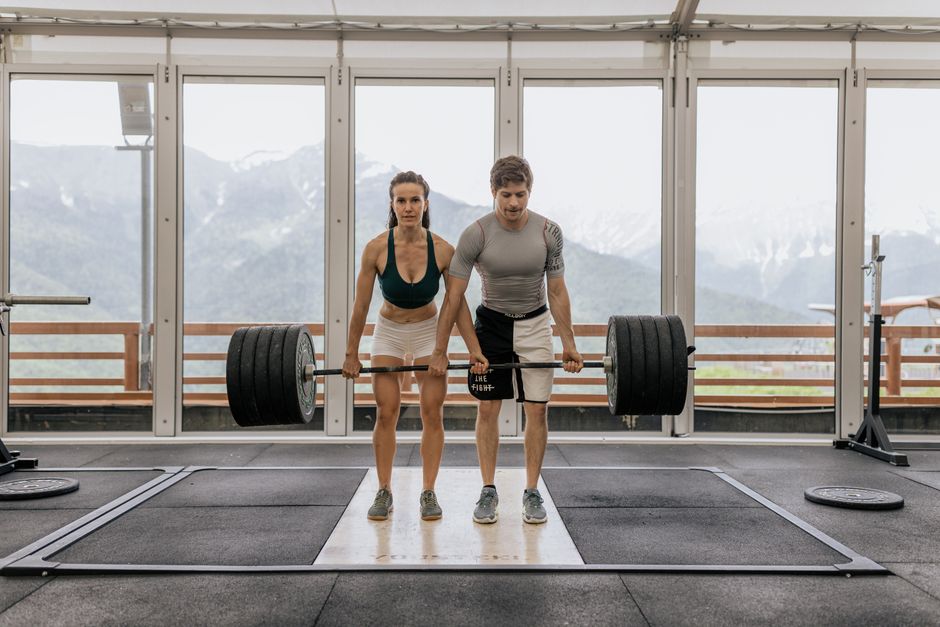
Lifting another person is one of the most demanding things you can ask of your spine. The safest approach is to get the person as close to your body as possible, keep your back in its natural curve instead of rounding it, and let your legs and hips do the lifting. If the person can bear any weight at all, encourage them to help. If they cannot, get help from another person or a mechanical lift rather than trying to manage alone.
That is the short version. The details matter, because the difference between a safe lift and an injured back often comes down to a few inches of positioning and a few seconds of preparation.
Why Does Lifting a Person Injure Backs So Often?
The forces involved are larger than most people realize. When you lean forward to reach someone, the distance between the load and your spine multiplies the strain on your lower back. A person weighing 150 pounds positioned a foot away from your body can place hundreds of pounds of compressive force on your lumbar spine. Held close, the same person produces far less.
Most lifting injuries are not single dramatic events. They are the result of repeated strain, often on backs that were already vulnerable. The muscles, discs, and ligaments of the lower back have limits, and those limits are lower than most people assume.
There is also a balance problem. A person is not a box. They shift, grab, and lean. That unpredictability is why healthcare workers — who lift people constantly and are trained to do it — still have some of the highest rates of back injury of any profession.
What Should You Do Before You Lift Anyone?
Preparation prevents more injuries than technique alone. Before you touch the person, take a few seconds to plan.
- Decide together where you are moving them and how.
- Clear the path of cords, rugs, and clutter.
- Make sure you have enough space to stand with your feet apart.
- Ask the person what they can do to help, even a little.
- Get a second person or a lift device if the person cannot assist at all.
Tell the person what you are about to do before you do it. A sudden lift startles people, and a startled person tenses or grabs, which throws off your balance.
If the person is heavier than roughly a quarter of your own body weight and cannot help, do not attempt the lift alone. That is not a rule from a guideline — it is a practical threshold many trainers use, and the honest position is that any lift of a fully dependent adult is a two-person or mechanical job. No safe solo technique exists for moving someone who cannot assist.
How To Lift a Person Without Hurting Your Back: The Step-by-Step Method
This sequence applies when the person can stand and assist to some degree. It is the approach taught in safe patient handling programs and it follows the same principles used in occupational lifting guidance.
Step 1: Position your feet. Stand with your feet shoulder-width apart, one foot slightly forward in the direction you plan to move. A wide base gives you stability.
Step 2: Get close. Bring the person against your body before you lift. The closer the load, the less force on your spine. This single step does more for your back than any other.
Step 3: Bend your knees, not your back. Squat down by bending at the hips and knees while keeping your back in its natural curve. Do not round your lower back. Do not twist.
Step 4: Grip securely. Use a firm hold around the person’s back or a gait belt if one is available. A gait belt — a wide strap fastened around the person’s waist — gives you something solid to hold and is standard equipment in clinical settings.
Step 5: Tighten your core. Brace your abdominal muscles before you lift. This creates pressure inside your abdomen that helps support your spine.
Step 6: Lift with your legs. Push up through your legs and hips while keeping the person close. Move smoothly. Do not jerk.
Step 7: Keep the load in front of you. Never twist your torso while holding someone. If you need to turn, pivot your feet instead.
If you feel any sharp pain during the lift, stop. Set the person down safely and do not continue.





What If the Person Cannot Stand or Help?
Then you should not lift them by hand. A person who cannot bear weight or assist needs a mechanical lift, a slide sheet, or a team of trained people. This is not caution for its own sake. It reflects what the evidence shows about injury rates among people who perform manual lifts on dependent adults.
Mechanical patient lifts — ceiling-mounted or floor-based — are the standard in hospitals and long-term care facilities for exactly this reason. Home caregivers can often arrange for a lift through a medical supply company, and some insurance plans cover them when a clinician documents the need.
If a lift device is not available and the person must be moved, wait for help. One trained assistant plus a slide sheet is far safer than one strong person lifting alone.
Common Mistakes That Cause Injury
Most back injuries during lifts trace back to a handful of errors. Recognizing them is easier than fixing them in the moment.
- Twisting while holding the load. This is the single most common cause of acute disc injury during lifting.
- Reaching too far. Holding the person away from your body multiplies the force on your spine.
- Rounding the lower back. A flexed spine under load puts uneven pressure on the discs.
- Lifting too fast. A sudden jerk gives your muscles no time to stabilize.
- Ignoring your own limits. Fatigue and prior injury are both major risk factors, and both are easy to underestimate.
One point people often miss: your back does not have to hurt during the lift to be injured. Disc problems and muscle strains can develop over time from repeated strain, then show up days later. If your back starts hurting after a lift, treat it seriously even if the lift itself felt fine.
What Should You Do If Your Back Hurts After a Lift?
Stop lifting. Rest your back from heavy work for a short period, but do not stay in bed for long stretches. Prolonged bed rest tends to make back pain worse, not better.
Most minor back strains improve within a few days to a few weeks. Over-the-counter pain relievers and gentle movement are commonly used. Heat or ice may help with comfort, though the evidence for either is limited.
See a doctor if you have severe pain, numbness or tingling in your legs, weakness, trouble controlling your bladder or bowels, or pain that does not improve after a few weeks. Those symptoms can point to nerve involvement and need proper evaluation.
If you hurt your back lifting someone and you will need to do it again — which is common for caregivers — talk to a physical therapist or an occupational health provider before your next lift. They can assess your technique and recommend equipment. This is standard practice in workplaces with lifting demands.
Frequently Asked Questions
Can I lift a person by myself if they can’t help?
No. Lifting a fully dependent adult alone is not considered safe by any clinical or occupational standard, regardless of your strength. Use a mechanical lift, a slide sheet, or wait for a second trained person.
What is the safest way to lift someone from the floor?
Do not lift a person straight up from the floor. Roll them onto a blanket or slide sheet, or use a mechanical lift designed for floor-to-bed transfers. Lifting from floor level by hand places extreme force on your spine.
Does bending your knees really protect your back?
Yes, bending at the hips and knees instead of the waist keeps your spine in a neutral curve and lets your leg muscles carry the load. Rounding your lower back under a heavy load puts uneven pressure on the discs.
How much weight can a person safely lift?
There is no single safe number, because the risk depends on distance from your body, posture, and whether you twist. For lifting another person, the key rule is this: if they cannot assist and you are alone, the lift is not safe regardless of weight.
