
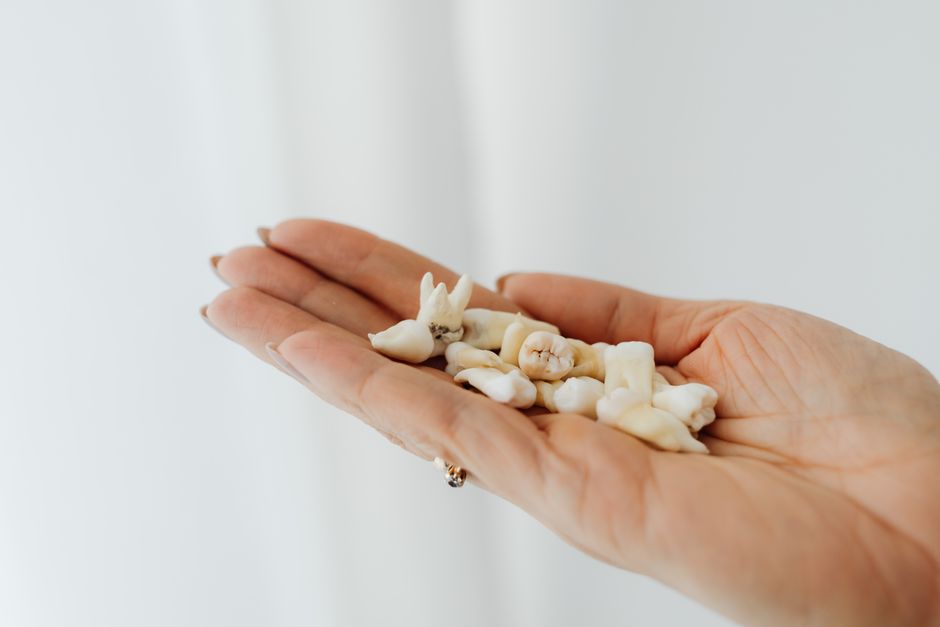
After wisdom teeth removal, how you position your head and body can make a real difference in how quickly you heal. The best way to lie down is on your back with your head elevated above your heart. Use two or three pillows or sleep in a recliner. This keeps blood from pooling in the surgical site, which reduces bleeding and swelling. Lying flat allows fluid to collect around the clots and can increase pain.
What Is the Best Position to Sleep After Wisdom Teeth Removal?
The best position is lying on your back with your head elevated 30 to 45 degrees. This is the same position often used after sinus surgery or head injuries. It helps reduce swelling and protects the blood clots that form in the sockets. Those clots are essential for healing. If they dislodge, you can get a painful dry socket.
Sleeping in a recliner is a good option. It keeps your head and neck supported and prevents you from rolling onto your side during sleep. If you sleep in a bed, place two or three firm pillows under your head and upper back. Avoid using only one thin pillow — that will not provide enough elevation.
Why Keeping Your Head Elevated Matters
Elevation uses gravity to help fluid drain away from your face and jaw. After surgery, your body sends extra blood and fluid to the area as part of the healing response. That fluid causes swelling. Keeping your head above your heart helps that fluid return to circulation, which lessens puffiness and discomfort.
Lowering your head, even briefly, can increase pressure in the surgical site. This can lead to oozing and may disturb the clot. For the first 48 to 72 hours, staying propped up also makes it easier to swallow and breathe if you have some bleeding or mucus.
How Long Should You Keep Your Head Elevated?
Most oral surgeons recommend keeping your head elevated for the first 48 to 72 hours after surgery. This is the peak window for swelling and bleeding. After that, you can slowly lower the incline. Some people prefer to stay on a slightly elevated pillow for about a week because it feels more comfortable.
If you had impacted teeth removed or multiple extractions, you may benefit from a longer period of elevation. Listen to your body. If swelling increases when you lie flatter, go back to a higher incline.




What Positions Should You Avoid?
Avoid lying flat on your back. Even a slight decline — such as sliding down in bed — can increase pressure in your mouth and cause oozing. Do not sleep on your stomach because it puts direct pressure on your face and can shift the clots. Sleeping on your side is risky because you might roll onto the extraction side. If you must sleep on your side, sleep on the opposite side of the surgery, but keep your head elevated with pillows.
Also avoid bending over or lifting your legs above heart level. These actions can raise blood pressure in your head and lead to more bleeding.
Tips for Comfortable Sleep After Surgery
Set up your bed or recliner before the procedure so you do not have to adjust pillows while groggy from anesthesia. Use extra pillows behind your back or under your knees to prevent sliding down. A thin neck pillow or rolled towel can keep your head from turning during sleep.
Apply an ice pack wrapped in a thin cloth to your cheeks for 20 minutes on, 20 minutes off during the first day. This reduces swelling and can make you drowsy. Do not fall asleep with the ice pack directly on your skin — it can cause frostbite. Take pain medication as directed before you go to bed so you are not woken up by discomfort.
Keep a glass of water and gauze on your nightstand. If oozing starts, you can replace the gauze without getting up. Do not use straws — the suction can dislodge clots.
When to Call Your Surgeon
Call your surgeon if bleeding does not slow after gently biting on gauze for 30 minutes, if you have severe pain that medication does not help, or if you notice fever, chills, or swelling that worsens after day two. These may be signs of infection or dry socket. Elevation alone will not fix these problems — you need professional care.
Frequently Asked Questions
Can I sleep on my side after wisdom teeth removal?
It is not ideal for the first few days. If you must sleep on your side, choose the side opposite your extractions and keep your head elevated on pillows.
How many pillows should I use to elevate my head?
Use two or three firm pillows to keep your head at least 30 degrees above the mattress. A single pillow is usually not enough.
When can I sleep flat after wisdom teeth removal?
Most people can sleep flat after about 72 hours, once swelling and active bleeding have stopped. Check with your surgeon if you had complicated extractions.
Is it okay to sleep in a recliner instead of a bed?
Yes. A recliner is often better because it holds your head elevated and prevents you from rolling onto your side during sleep.
