
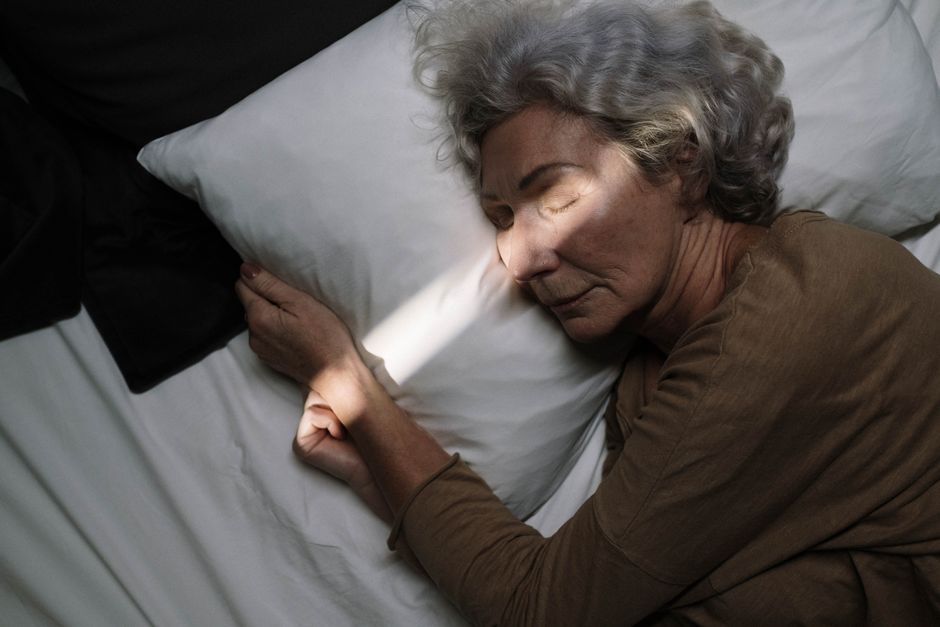
Side sleeping is the most common sleep position for adults, and the way you arrange your arms can quietly decide whether you wake up rested or sore. The short answer: keep your arms in front of your body, not above your head or trapped under your torso. A slightly bent elbow with your hands near chest or pillow height lets blood flow freely and keeps your shoulder from rolling forward. The best setup also keeps your top arm supported so it does not drag your shoulder into an awkward angle all night.
Why Does Arm Position Matter When You Sleep On Your Side?
Your body stays in whatever position you fall asleep in for hours, and your arms are no exception. Nerves and blood vessels run through the shoulder, elbow, and wrist, and sustained pressure or extreme angles can compress them.
The most familiar example is the “sleeping arm” or “dead arm” feeling. When you lie on your side and your body weight rests on an arm, or when your arm is bent sharply for a long stretch, the nerves that pass through the shoulder and elbow can get compressed. The result is numbness, tingling, or a heavy, limp feeling when you wake. This usually fades once you move, but repeated nights of nerve compression can leave lingering discomfort.
Shoulder position matters too. When you sleep on your side, the shoulder on the bottom is already under load. If your top arm crosses your chest or hangs forward, it can pull that top shoulder into a rounded, internally rotated position. Over time, that posture can irritate the rotator cuff and the tendons around the shoulder joint.
The goal is simple: keep your arms in a neutral, supported position so nothing is pinched, stretched, or bearing your body weight for hours.
What Is the Best Arm Position for Side Sleeping?
The best position keeps your arms in front of you and slightly bent. Think of how your arms rest when you hug a pillow — relaxed, supported, and close to your body.
Here is what that looks like in practice:
- Bottom arm: Extend it forward under your pillow or bend it at the elbow so your hand rests near your face. Do not sleep directly on top of it with your full body weight.
- Top arm: Let it rest in front of you, bent at the elbow, with your hand near your chest or on a pillow. Avoid letting it hang forward and down, which pulls the shoulder.
- Elbows: Keep a slight bend rather than locking them straight or folding them tightly. A right angle or gentler is usually comfortable.
- Wrists: Keep them in a neutral line, not bent back or curled tightly.
This arrangement keeps your shoulders square rather than rolled forward. It also keeps your hands near the midline of your body, which tends to feel stable and lets you stay asleep without shifting.
You do not need to be rigid about this. Bodies move during sleep, and that is normal. The aim is to start in a good position so you spend most of the night there.
What Arm Positions Should You Avoid?
Some positions cause problems for most people, even if they feel fine for a few minutes. Falling asleep in them is what leads to morning pain.
Arms above your head. Sleeping with your arms overhead can stretch the nerves and blood vessels that run under your collarbone and through your armpit. This position can also put your shoulder in an unstable spot. Some people wake with tingling hands after sleeping this way.
Sleeping directly on your arm. Resting your full upper body weight on your arm compresses the nerves and vessels inside it. This is a common cause of the numb, dead-arm feeling.
Top arm hanging forward. If your top arm drops down in front of your chest, it rolls your top shoulder forward and inward. Held for hours, this can irritate the shoulder.
Arms tucked tightly under your body. This pins your hands and forearms under your torso, which restricts blood flow and can leave your hands numb.
Elbows bent very sharply. A tight bend at the elbow, held for a long time, can compress the nerve that runs through the elbow — the same one that causes the “funny bone” tingle.
If you regularly wake with numbness or tingling that does not go away after you move around, that is worth mentioning to a doctor. Persistent numbness is different from the brief dead-arm feeling that clears in seconds.





How Do You Support Your Arms While Side Sleeping?
Support is what makes a good arm position last. Without it, gravity slowly pulls your top arm forward and your shoulder with it.
A body pillow or a firm pillow hugged against your chest is the simplest tool. It gives your top arm somewhere to rest so it does not hang or cross your body. Many side sleepers find that hugging a pillow keeps both arms in a comfortable, neutral spot all night.
Pillow height under your head matters too. If your head pillow is too tall, your neck bends and your top shoulder tends to roll forward. If it is too flat, your neck drops. A pillow that keeps your head and neck in line with your spine supports the whole upper body.
Some people also place a thin pillow between their knees. That is mainly for hip and lower back alignment, but it helps keep the whole body from twisting, which indirectly keeps the shoulders and arms from drifting out of position.
There is no single product that works for everyone. The principle is what counts: give your arms something to rest on so they stay in front of you rather than under you or overhead.
Does Side Sleeping Cause Shoulder Pain?
Side sleeping itself does not cause shoulder pain, but the position you hold can aggravate an already sensitive shoulder. The bottom shoulder carries load all night, and the top shoulder can be pulled forward if the arm is not supported.
People with existing shoulder problems — like rotator cuff issues or bursitis — often notice that side sleeping on the sore side makes things worse. The evidence on whether sleeping position causes shoulder problems in healthy people is limited. What is clearer is that position can affect comfort in a shoulder that is already irritated.
If one shoulder is painful, sleeping on the opposite side is often more comfortable. Supporting the top arm with a pillow can reduce strain on both shoulders. If shoulder pain keeps waking you or does not improve, that is a reason to see a clinician rather than to keep adjusting pillows.
Which Side Should You Sleep On?
For most people, either side works. The choice usually comes down to comfort and any specific health considerations.
Sleeping on your left side is sometimes suggested for people with acid reflux, because it may reduce the flow of stomach acid back into the esophagus. Some research supports this, though results vary between people.
Sleeping on your right side is often more comfortable for people with certain heart conditions, and some clinicians recommend it in specific cases. This is not universal advice.
Pregnant women are frequently advised to sleep on their left side in later pregnancy, based on guidance from obstetric organizations. If you are pregnant, follow the guidance from your own prenatal care provider.
For everyone else, the side that lets you keep your arms supported and your spine straight is the right one. Comfort and alignment matter more than left versus right for general sleep quality.
When Should You Talk to a Doctor About Arm Numbness at Night?
Brief numbness that clears when you change position is common and usually not a concern. Numbness that lingers, keeps waking you, or comes with weakness is different.
See a clinician if you notice:
- Numbness or tingling that does not go away after you move your arm
- Weakness in your hand or arm
- Pain that wakes you repeatedly
- Numbness in a consistent pattern, such as specific fingers
These can point to nerve compression that needs evaluation. A doctor can check whether the cause is your sleep position, a pinched nerve in the neck, or something else. Adjusting your sleep setup may help, but it is not a substitute for getting persistent symptoms checked.
Frequently Asked Questions
What is the best arm position for side sleeping?
Keep your arms in front of your body with a slight bend at the elbow, hands near chest or pillow height. This keeps your shoulders square and avoids pinching nerves or blood vessels.
Why do my arms go numb when I sleep on my side?
Sustained pressure on an arm or a sharply bent elbow can compress the nerves and blood vessels inside it, causing numbness or tingling. Changing position usually restores feeling within seconds to minutes.
Should I sleep with a pillow between my arms?
Yes, hugging a pillow against your chest gives your top arm support so it does not hang forward and pull your shoulder. It is one of the simplest ways to hold a good arm position.
Is sleeping on your side bad for your shoulders?
Side sleeping does not cause shoulder problems in healthy people, but it can aggravate an already sore shoulder. Supporting your top arm and avoiding sleeping on a painful side usually helps.
