
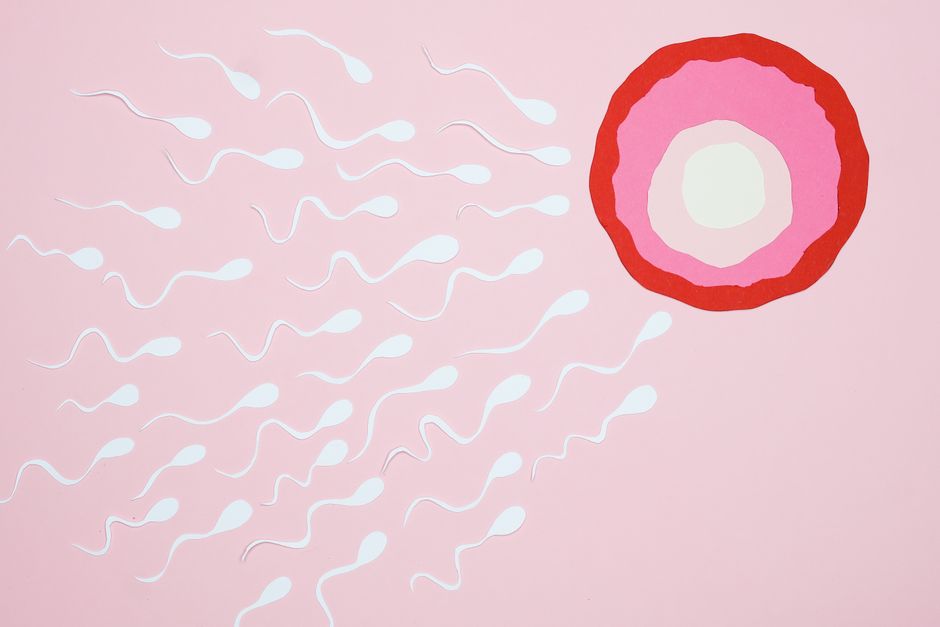
Ovulation is the release of an egg from the ovary, and it typically happens once per menstrual cycle. For most people, this occurs about 14 days before the next period starts, but the exact day varies from person to person and cycle to cycle. You can know when you are ovulating by tracking physical signs like cervical mucus changes, using ovulation predictor kits that detect the LH surge, and monitoring basal body temperature, though this method confirms ovulation only after it has already happened.
What Happens in the Body During Ovulation?
Understanding the mechanics helps you know what to look for. The menstrual cycle is driven by hormones. In the first half, estrogen rises as an egg matures inside a follicle in the ovary. When estrogen peaks, the brain releases a surge of luteinizing hormone, or LH. This LH surge triggers the release of the egg about 24 to 36 hours later.
After the egg is released, it travels down the fallopian tube. The empty follicle becomes the corpus luteum and produces progesterone. Progesterone prepares the uterine lining for a possible pregnancy. If the egg is not fertilized, hormone levels drop, and the lining sheds as your period.
The egg itself survives only about 12 to 24 hours after release. Sperm, however, can live inside the reproductive tract for up to five days. This difference matters for timing. The fertile window includes the five days before ovulation and the day of ovulation itself.
How To Know When Ovulating: The Most Reliable Signs
Several physical changes happen because of shifting hormones. Not everyone notices all of them, but many people can learn to recognize at least one or two with practice.
Cervical mucus changes are often the first noticeable sign. In the days before ovulation, estrogen increases. This causes cervical mucus to become more plentiful, clear, slippery, and stretchy — similar to raw egg whites. This texture helps sperm travel. After ovulation, progesterone makes the mucus thick, sticky, or dry again. Checking mucus daily can give you a fairly accurate picture of where you are in your cycle.
Mittelschmerz is a German word for middle pain. Some people feel a sharp twinge or dull ache on one side of the lower abdomen around ovulation. The pain is usually brief, lasting minutes to a few hours, though some people feel it for a day or two. It happens because the follicle stretches and ruptures as the egg is released. Not everyone feels this, and it is not a reliable method on its own, but it can be a useful additional clue when combined with other signs.
Basal body temperature, or BBT, is your temperature at complete rest. Before ovulation, BBT typically stays in a lower range. After ovulation, progesterone causes a temperature rise of about 0.5 to 1 degree Fahrenheit that stays elevated until your next period. This method tells you ovulation has occurred, but it cannot predict it in advance. You confirm ovulation after the fact by seeing a sustained temperature shift for at least three days.
Ovulation Predictor Kits and Fertility Monitors
Ovulation predictor kits, or OPKs, are urine tests that detect the LH surge. When the test line is as dark or darker than the control line, the surge has begun. This gives you roughly 24 to 36 hours of advance notice before the egg is released. Testing once or twice daily around your expected fertile window helps you catch the surge, which can be brief.
Some people use fertility monitors that measure estrogen and LH together. These devices can identify a wider fertile window because estrogen rises before LH. They are more expensive than basic OPKs but provide more information. Research shows these monitors are generally accurate at detecting the fertile window, though they do not guarantee pregnancy.
Saliva ferning tests are another option. Estrogen causes dried saliva to form a fern-like pattern under a microscope. These tests are less standardized and harder to read accurately than urine-based methods. Some studies suggest they work, but they are not as widely recommended because interpreting the results takes practice and errors are common.




Cycle Tracking Apps: What They Can and Cannot Do
Period tracking apps use your cycle history to predict when ovulation likely occurs. They rely on averages and algorithms. If your cycles are regular, the predictions can be reasonably close. If your cycles vary in length, the app is guessing based on past data, and the prediction can be off.
Apps become more useful when you log daily observations like cervical mucus, temperature, and OPK results. The app then uses your actual data rather than just calendar math. Even so, no app can detect ovulation in real time. It can only estimate based on what you enter.
One clear limitation: apps that only track period dates cannot tell you when you ovulate. They can only estimate. If you have irregular cycles, postpartum changes, or approaching menopause, app predictions become even less reliable.
How Long Does Ovulation Last?
Ovulation itself is a single event, not a process that lasts for days. The egg is released at one moment and remains fertile for roughly 12 to 24 hours. The fertile window, however, is much longer because sperm can survive for up to five days inside the body. This means you can become pregnant from intercourse that happens several days before ovulation.
For practical purposes, the fertile window spans about six days each cycle: the five days before ovulation plus the day of ovulation. Having intercourse on any of these days can result in pregnancy. The highest conception rates occur in the two to three days immediately before ovulation.
If you are trying to conceive, you do not need to time intercourse down to the hour. Having sex every one to two days during the fertile window is generally sufficient and reduces the pressure of exact timing.
What If You Do Not Notice Any Ovulation Signs?
Some people never notice cervical mucus changes or mittelschmerz. This does not mean they are not ovulating. Ovulation can occur without any perceptible symptoms. If you are having regular periods, ovulation is likely happening, though not guaranteed.
If you are tracking signs and see nothing consistent, consider using OPKs for a few cycles. They provide objective data that does not depend on noticing body changes. If OPKs consistently show no LH surge, or if your cycles are irregular, absent, or very short or long, talk to a healthcare provider.
Irregular cycles often point to irregular ovulation. Conditions like polycystic ovary syndrome, thyroid disorders, high stress, significant weight changes, or perimenopause can affect ovulation. A medical evaluation can identify the cause and guide next steps.
When To Seek Medical Advice
If you have been trying to conceive for 12 months without success and you are under 35, see a healthcare provider. If you are 35 or older, seek evaluation after six months of trying. Earlier evaluation is warranted if you have irregular cycles, known reproductive conditions, or a partner with known fertility concerns.
Your doctor can order blood tests to check hormone levels, an ultrasound to look at follicle development, or a mid-luteal progesterone test to confirm ovulation occurred. These tests provide more definitive answers than home tracking methods.
Do not assume that a lack of ovulation signs means infertility. Many people ovulate without noticing anything. Conversely, regular periods do not always mean ovulation is happening every cycle. Medical testing can clarify what is actually going on.
Frequently Asked Questions
Can you feel when you are ovulating?
Some people feel a brief twinge or dull ache on one side of the lower abdomen near ovulation, but many people feel nothing at all. The absence of sensation does not mean ovulation is not occurring.
How many days after your period do you ovulate?
Ovulation typically happens about 14 days before your next period, not a set number of days after your period ends. In a 28-day cycle, that is around day 14, but cycle lengths vary widely.
Are ovulation predictor kits accurate?
Ovulation predictor kits are generally accurate at detecting the LH surge that precedes ovulation. They are most reliable when used according to instructions and tested once or twice daily around your expected fertile window.
What is the best day to conceive during ovulation?
The two to three days before ovulation are associated with the highest conception rates. Sperm can survive for up to five days, so intercourse during this window gives sperm time to be present when the egg is released.
