
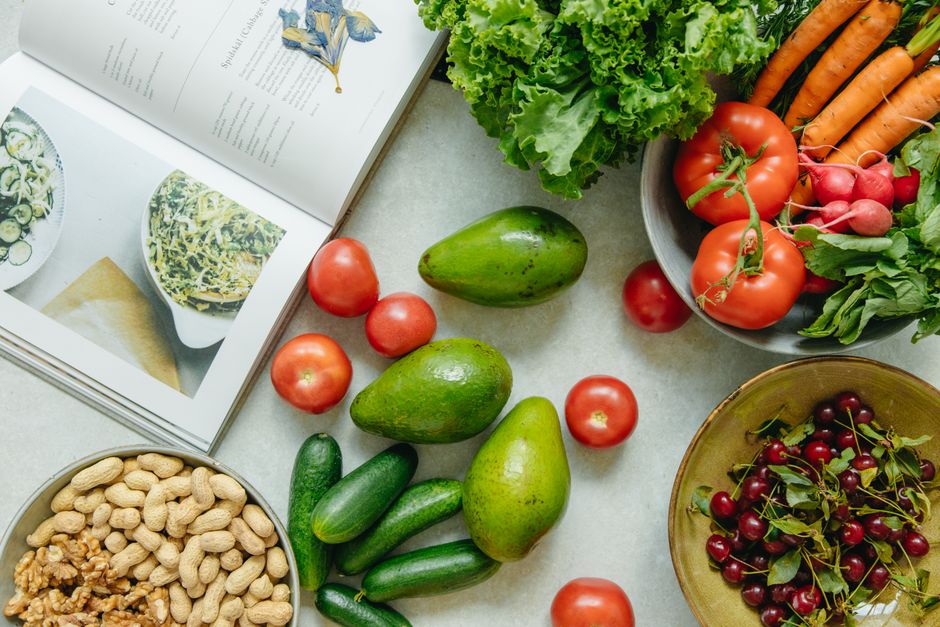
An avocado that is not quite ripe can be hard and bland, while one that is too ripe turns brown and mushy. The best way to know if an avocado is ready to eat is to gently squeeze it near the stem end with your palm or fingertips. If it yields slightly under gentle pressure but is not soft or mushy, it is ripe and ready. Color alone is not reliable, but a dark green to nearly black skin often indicates ripeness for Hass avocados. You can also check by flicking off the small stem cap — if it comes off easily and you see green underneath, the avocado is ready.
How To Know When Avocado Is Ready?
The most reliable method to test avocado ripeness is the gentle squeeze. Hold the avocado in the palm of your hand. Using your fingers, apply light pressure near the stem end. Do not press hard enough to bruise the fruit. A ripe avocado yields slightly but still feels firm. If it feels hard as a rock, it needs more time. If it feels mushy or dented easily, it is overripe.
Another useful test is the stem cap test. Peel off the small brown stem at the top. If it pops off easily and the area underneath is green, the avocado is ripe. If the stem resists removal, the avocado is not ready. If the stem comes off and reveals brown or black underneath, the avocado may be overripe on the inside.
Color can help but is not foolproof. Most Hass avocados turn from bright green to a dark, almost black color when ripe. However, some varieties stay green even when ripe. Never rely on color alone.
What Are the Different Ripeness Stages of an Avocado?
Avocados go through three main stages: unripe, ripe, and overripe. Understanding these stages helps you buy and eat avocados at the right time.
- Unripe: The avocado is hard and does not yield to pressure. The skin is bright green for Hass avocados. Inside, the flesh is firm and pale green with little flavor. Unripe avocados have a bitter taste and a tough texture.
- Ripe: The avocado yields slightly to gentle pressure. The skin is darker, often nearly black for Hass varieties. The flesh inside is creamy, light green near the pit, and has a mild buttery flavor. This is the ideal stage for eating.
- Overripe: The avocado feels soft or mushy. The skin may have sunken spots or appear wrinkly. Inside, the flesh may be brown, stringy, or develop dark streaks. Overripe avocados are not unsafe to eat unless mold is present, but the texture and taste decline.
Knowing these stages helps you plan. If you need an avocado for tomorrow, buy one that is slightly firm but beginning to soften. If you need it in a few days, buy a hard unripe one.
How Does the Color Test Work for Avocado Ripeness?
Color can be a useful clue for Hass avocados, the most common variety sold in US grocery stores. When Hass avocados are unripe, their skin is bright green. As they ripen, the skin darkens to a deep green, then to a purplish-black, and finally to nearly black. A ripe Hass avocado is typically very dark, sometimes almost black.
However, color is not a guarantee. Some avocados that look dark may still be firm inside if they were picked too early and then stored in cold temperatures. Conversely, some lighter-colored avocados may be perfectly ripe. The skin color change is caused by the breakdown of chlorophyll as the fruit ripens, but the rate and timing depend on growing conditions and storage.
Other varieties, such as Florida avocados or green-skinned varieties, remain green when ripe. For these, color is not helpful at all. You must rely on the squeeze test or stem test.





How to Use the Stem Test to Check Avocado Ripeness?
The stem test is a quick and reliable method if done gently. Hold the avocado in one hand. With the thumb and index finger of your other hand, grasp the small brown stem cap at the pointed end. Flick it off with a light sideways motion. Do not twist or pull hard — you can damage the fruit.
Once the stem cap is removed, look at the color of the exposed area.
- Green underneath: The avocado is ripe and ready to eat.
- Brown or black underneath: The avocado is likely overripe inside. The brown color means the flesh has started to oxidize and spoil.
- Stem does not come off easily: The avocado is not ripe yet. The stem is still attached firmly.
If you remove the stem and see a small amount of green but also some browning at the edges, the avocado may still be fine. Cut it open to check. The stem test is not perfect — sometimes the stem area ripens faster than the rest of the fruit. Use it together with the squeeze test for the best results.
How to Ripen an Avocado Faster at Home?
If you have an avocado that is still hard and you need it sooner, you can speed up the ripening process. The key is ethylene gas, a natural plant hormone that triggers ripening. Avocados produce ethylene, and trapping that gas near the fruit accelerates ripening.
The simplest method is to place the unripe avocado in a brown paper bag. Fold the top closed and leave it at room temperature. Adding an apple or a banana to the bag can help because these fruits also release ethylene. Check every 12 hours until the avocado yields to gentle pressure. This method usually ripens an avocado in 1 to 3 days, compared to 4 to 5 days on the counter.
Do not use plastic bags. Plastic traps moisture and can cause mold or rot before the avocado ripens evenly. Also, never microwave an avocado to ripen it. Microwaving softens the flesh but does not create true ripening — the flavor and texture will be poor.
Warmth speeds up ripening, but avoid direct sunlight or heat above 75°F (24°C). High temperatures can cause uneven ripening and off-flavors. Room temperature, around 68–72°F (20–22°C), is ideal.
How to Store Avocados After They Are Ripe?
Once an avocado reaches the ripe stage, you can slow down further ripening by refrigerating it. Place the whole ripe avocado in the refrigerator. It will stay at peak ripeness for 2 to 3 days. Cold temperatures slow the production of ethylene and the ripening enzymes.
If you have already cut the avocado, storage becomes trickier. The flesh oxidizes quickly and turns brown when exposed to air. To minimize browning, leave the pit in one half and brush the cut surfaces with lemon or lime juice. The citric acid slows oxidation. Then wrap the avocado tightly in plastic wrap, pressing the wrap directly against the surface to exclude air. Alternatively, place the cut avocado in an airtight container with a piece of onion — the sulfur compounds in onion can help preserve color and flavor.
Stored this way, cut avocado will keep in the refrigerator for about 1 to 2 days. Discard if you see mold, an off smell, or extensive browning that is slimy or stringy.
How to Tell If an Avocado Is Overripe or Bad?
An overripe avocado is not necessarily unsafe to eat, but the quality declines. Signs of overripeness include: soft or mushy texture, sunken spots, wrinkled skin, and flesh that is brown or has dark streaks. If the avocado has a sour or rancid smell, that indicates spoilage — do not eat it.
Small areas of browning inside a ripe avocado are usually just oxidation and can be cut away. But if more than half the flesh is brown, or if there are signs of mold, discard the entire fruit. Mold can appear as white or gray fuzzy spots on the skin or near the stem. Do not cut around mold on an avocado; mold spores can penetrate deeper into the flesh even if you cannot see them.
Another sign of a bad avocado is a stringy or watery texture. This can happen if the avocado was stored at too cold a temperature (below 40°F / 4°C) for too long, or if it was overripe. It is not harmful but is unpleasant to eat.
Frequently Asked Questions
How long does it take for an avocado to ripen on the counter?
At room temperature, a hard unripe avocado usually takes 3 to 5 days to become fully ripe. The exact time depends on how ripe the avocado was when purchased and the temperature in your kitchen.
Can you eat an avocado that is slightly brown inside?
Yes, small brown spots are usually just oxidation and are safe to eat. Cut away the brown areas. If the brown is extensive, slimy, or the avocado smells off, discard it.
How to keep a cut avocado from turning brown?
Brush cut surfaces with lemon or lime juice, then wrap tightly in plastic wrap so the wrap touches the flesh. Refrigerate immediately. This slows oxidation and keeps the green color longer.
What to do if an avocado is hard but you need it today?
Place the avocado in a brown paper bag with a banana or apple and leave at room temperature. This can ripen it in 1 to 2 days but not within a few hours. For same-day use, you can mash the hard avocado and season it — the texture will not be creamy but it can work in dips.
