
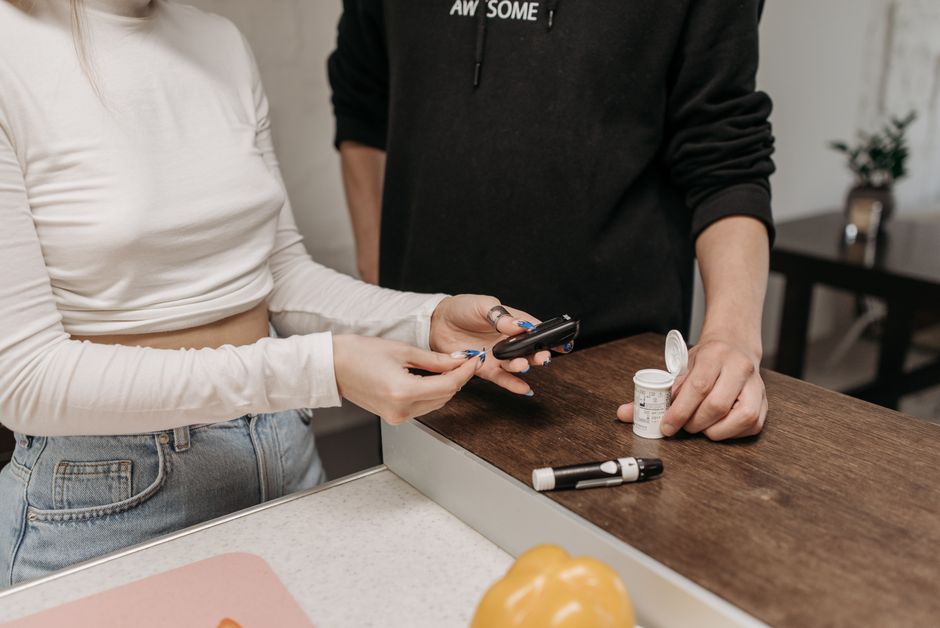
You feel shaky, sweaty, and confused. Your heart is pounding. You wonder if your blood sugar has dropped too low. Hypoglycemia means your blood glucose falls below 70 mg/dL. This is not a guess. This is a number. If your blood sugar is under 70 mg/dL, you have hypoglycemia. The only way to know for sure is to test with a glucose meter. Symptoms alone can trick you. Many conditions feel like low blood sugar. This guide walks you through what hypoglycemia actually is, how to recognize it, and what to do about it.
What Exactly Is Hypoglycemia and What Causes It?
Hypoglycemia is low blood sugar. Your body runs on glucose for energy. When levels drop too low, your brain and body cannot function properly. The medical definition is blood glucose below 70 mg/dL. This is not a suggestion. It is a clinical threshold used by the American Diabetes Association and major medical institutions.
The most common cause is diabetes medication. People with diabetes who take insulin or certain oral medications like sulfonylureas can experience hypoglycemia if they skip a meal, exercise more than usual, or take too much medication. This is called diabetic hypoglycemia.
Non-diabetic hypoglycemia is much less common. It can happen from certain medical conditions like liver disease, kidney disorders, or tumors in the pancreas. Some people experience reactive hypoglycemia where blood sugar drops a few hours after eating. This is real but less common than viral health articles suggest.
Alcohol can also cause hypoglycemia especially if you drink on an empty stomach. Your liver processes alcohol instead of releasing stored glucose. This can lead to a dangerous drop hours later.
How To Know If You Have Hypoglycemia: Symptoms vs. Reality
Symptoms of low blood sugar fall into two categories. Early symptoms include shakiness, sweating, hunger, dizziness, and a fast heartbeat. These are your body’s alarm system. They happen because your body releases adrenaline to raise blood sugar. Think of them as a warning.
Later symptoms are more serious. Confusion, difficulty speaking, blurred vision, weakness, and drowsiness can occur. If blood sugar drops very low, seizures or loss of consciousness are possible. This is a medical emergency.
Here is the problem. These symptoms are not unique to hypoglycemia. Anxiety attacks, panic disorder, dehydration, and even caffeine can cause similar feelings. One study published in the journal Diabetes Care found that people with diabetes guessed correctly about their low blood sugar only about 50 percent of the time. Half the time they were wrong. You cannot reliably diagnose hypoglycemia by how you feel.
The only reliable method is to measure your blood glucose with a meter. If you suspect low blood sugar and have a meter available, test immediately. If the reading is below 70 mg/dL, treat it. If it is above 70 mg/dL, look for another cause for your symptoms.
How to Test for Hypoglycemia at Home
Testing at home is straightforward. You need a glucose meter, test strips, and a lancet. Wash your hands with warm water and soap. Dry them completely. Prick the side of your fingertip, not the pad. Squeeze gently until a drop of blood forms. Touch the test strip to the blood. Wait for the reading.
Normal fasting blood sugar is between 70 and 100 mg/dL. Levels between 100 and 125 mg/dL suggest prediabetes. Levels of 126 mg/dL or higher on two separate tests indicate diabetes. But for hypoglycemia, the cutoff is clear. Below 70 mg/dL is low.
Continuous glucose monitors or CGMs are another option. These devices track your blood sugar throughout the day and night. They can alert you when levels drop. CGMs are useful for people with diabetes who have frequent lows. They are expensive and not necessary for most people without diabetes who only have occasional symptoms.
If you do not have diabetes and your meter shows low blood sugar, repeat the test. False readings happen. Clean your hands again and test a different finger. If the second reading is also below 70 mg/dL, you have confirmed hypoglycemia and should speak with a doctor.





What to Do When Your Blood Sugar Drops
The 15-15 rule is the standard treatment for mild to moderate hypoglycemia. Eat 15 grams of fast-acting carbohydrates. Wait 15 minutes. Test your blood sugar again. If it is still below 70 mg/dL, repeat the process.
What counts as 15 grams of fast-acting carbs? Here are examples that work quickly:
- 4 glucose tablets or 1 tube of glucose gel
- 1/2 cup of fruit juice or regular soda
- 1 tablespoon of honey or sugar
- 8 ounces of milk
Do not eat chocolate, candy bars, ice cream, or foods with fat. Fat slows down absorption. You need sugar that hits your bloodstream fast. Glucose tablets are the best option because they are pure glucose and work predictably.
After your blood sugar returns to normal, eat a small meal or snack with protein and complex carbs. This prevents another drop. A handful of nuts with a piece of fruit or half a sandwich works well.
Severe hypoglycemia where someone is confused, unconscious, or having a seizure requires emergency help. Glucagon injections can raise blood sugar quickly. If you live with someone who has diabetes, keep a glucagon kit available and know how to use it. Call 911 if you are unsure.
How Hypoglycemia Differs in People With and Without Diabetes
For people with diabetes, hypoglycemia is a known risk of treatment. It happens often. The American Diabetes Association recommends checking blood sugar before driving, before exercise, and before bed. People with diabetes should always carry fast-acting sugar sources.
For people without diabetes, true hypoglycemia is rare. Many people report symptoms that feel like low blood sugar but test normal. This is called pseudohypoglycemia. The symptoms are real but the blood sugar is not low. It can be caused by anxiety, stress, or simply eating a high-carb meal followed by a rapid drop that is still above 70 mg/dL.
Reactive hypoglycemia deserves a special mention. Some people experience low blood sugar 2 to 4 hours after eating. This is more common after meals high in refined carbohydrates. Your body releases too much insulin in response to the sugar rush, which then causes a drop. The National Institutes of Health notes that true reactive hypoglycemia is uncommon. Most people who think they have it actually do not when tested.
If you do not have diabetes and suspect you have hypoglycemia, see a doctor. They may recommend a mixed-meal tolerance test or a 72-hour fasting test to confirm. Do not self-diagnose. The risk of chasing a problem that is not there can lead to unnecessary dietary restrictions and anxiety.
Common Misconceptions About Hypoglycemia
One widespread myth is that everyone with hypoglycemia feels the same way. Not true. Some people with diabetes lose their awareness of low blood sugar over time. This is called hypoglycemia unawareness. They may not feel symptoms until levels drop dangerously low. This is more common in people who have had diabetes for many years or who have frequent lows.
Another myth is that eating sugar causes hypoglycemia. Eating sugar raises blood sugar. The concern is that eating too much sugar triggers excess insulin release which then causes a drop later. This is the mechanism behind reactive hypoglycemia. But eating sugar itself does not cause immediate hypoglycemia. Timing matters.
Some people believe that hypoglycemia is a sign of diabetes starting. This is partially true. Reactive hypoglycemia can be an early sign of prediabetes in some people. But most people with prediabetes or early type 2 diabetes have high blood sugar, not low. The relationship is more complex than simple cause and effect.
A final misconception is that hypoglycemia can be cured by diet alone. For people with reactive hypoglycemia, dietary changes can help. Eating smaller meals more often, choosing complex carbs over simple sugars, and including protein and fiber can stabilize blood sugar. But for diabetic hypoglycemia, diet is part of the solution but medication adjustment is often needed. Do not stop or change diabetes medications without talking to your doctor.
When to See a Doctor About Hypoglycemia
You should see a doctor if you have symptoms of low blood sugar that do not make sense. If you do not have diabetes and your meter shows low blood sugar more than once, make an appointment. If you have diabetes and you are having frequent lows, your medication may need adjustment.
Seek emergency care if someone with diabetes is confused, unconscious, or having a seizure. Also seek help if your blood sugar stays below 70 mg/dL after three rounds of the 15-15 rule. This is a sign that something more serious is happening.
Your doctor will take a history and may order blood tests. They may check your liver function, kidney function, and hormone levels. In some cases, imaging of the pancreas is needed to rule out tumors. Most cases of non-diabetic hypoglycemia are caused by an underlying condition that needs treatment.
Keep a log of your symptoms and blood sugar readings. Write down what you ate, when you ate, and what your activity level was. This information helps your doctor identify patterns. It also helps distinguish true hypoglycemia from pseudohypoglycemia.
| Factor | With Diabetes | Without Diabetes |
|---|---|---|
| How common | Common | Rare |
| Main cause | Medication side effect | Underlying medical condition |
| Symptoms reliable? | About 50% accuracy | Even less reliable |
| Treatment | 15-15 rule plus medication adjustment | Treat underlying cause |
| Emergency risk | Higher | Lower but possible |
Frequently Asked Questions
Can you have hypoglycemia without diabetes?
Yes but it is rare. Non-diabetic hypoglycemia is usually caused by an underlying condition like liver disease or a pancreatic tumor.
What should I eat if my blood sugar is low?
Eat 15 grams of fast-acting carbs like glucose tablets, fruit juice, or honey. Do not eat fatty foods because they slow absorption.
How low is dangerously low blood sugar?
Blood sugar below 54 mg/dL is considered severely low and requires immediate treatment. Below 40 mg/dL can cause seizures or unconsciousness.
Can anxiety cause low blood sugar symptoms?
Yes anxiety can cause shakiness, sweating, and a fast heartbeat that feel like hypoglycemia. Testing your blood sugar is the only way to know for sure.
