
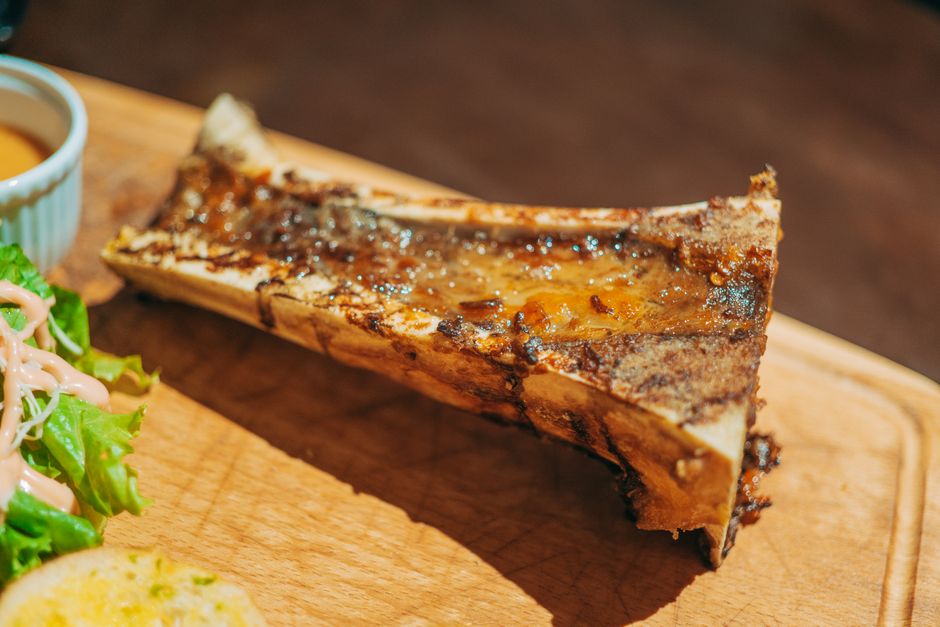
Making gelatin from bones at home is a straightforward process of simmering bones in water to extract collagen, which then sets into gelatin when cooled. The basic steps are: roast or blanch the bones, simmer them in water with a splash of acid for 12 to 24 hours, strain the liquid, and chill it until it firms up. The result is a protein-rich, unflavored gelatin you can use in soups, gummies, or as a thickener.
What Exactly Is Bone Gelatin?
Gelatin is cooked collagen. Collagen is the most abundant protein in your body and the main structural protein in animal connective tissue. When you simmer bones, the collagen in the ligaments, tendons, and cartilage slowly breaks down and dissolves into the water.
Once that liquid cools below a certain temperature, the dissolved collagen molecules reorganize into a semi-solid structure. That is gelatin. It is the same process that makes store-bought gelatin powder work, except you are extracting it yourself from raw bones.
It is important to understand the difference between gelatin and bone broth. Bone broth is the liquid you get after simmering. Gelatin is what happens when that liquid cools and sets. Many people make broth and never let it set, so they never actually see the gelatin they produced.
What Kind of Bones Work Best?
Not all bones are equal when it comes to gelatin extraction. You need bones with a lot of connective tissue. Knuckle bones, oxtail, chicken feet, pork hocks, and beef shanks are excellent choices. These joints and extremities contain high amounts of cartilage and collagen.
Marrow bones alone will not produce good gelatin. They are rich in fat and marrow, but they lack the connective tissue needed. If you use only marrow bones, you will get a fatty, cloudy liquid that may not set firmly.
For the best results, use a mix. Combine some meaty bones for flavor with knuckles or feet for gelatin content. The age of the animal matters too. Older animals have more cross-linked collagen, which means longer cooking times. Younger animals, like calves or chickens, set more quickly.
How To Make Gelatin From Bones Step By Step
Start with quality bones. If you can, buy bones from a butcher who sources pasture-raised or grass-fed animals. This is not strictly necessary for gelatin production, but it improves flavor and reduces the chance of off tastes.
Here is the complete process:
- Step 1: Blanch the bones. Place the bones in a large pot and cover them with cold water. Bring to a boil and let them boil for 5 to 10 minutes. Drain the water and rinse the bones. This step removes impurities, blood, and excess fat that can make your gelatin cloudy or bitter.
- Step 2: Roast the bones (optional but recommended). Spread the blanched bones on a baking sheet and roast them at 200°C (about 400°F) for 20 to 30 minutes until they are deeply browned. This adds rich flavor and color to your final product. Skip this step if you want a neutral, light-colored gelatin.
- Step 3: Add bones to a clean pot. Place the roasted or blanched bones in a large stockpot or slow cooker. Cover them with cold, filtered water. The water should sit about 2 to 3 inches above the bones.
- Step 4: Add acid. Add a splash of apple cider vinegar or lemon juice. About 1 to 2 tablespoons per gallon of water is enough. The acid helps break down the collagen and extracts more minerals from the bones. You should not taste it in the final product.
- Step 5: Simmer, never boil. Bring the pot to a gentle simmer, then reduce the heat to low. A hard rolling boil will make the liquid cloudy and can create off flavors. You want small bubbles, not a violent churn. Simmer chicken bones for 12 to 24 hours. Simmer beef or pork bones for 24 to 48 hours.
- Step 6: Skim the surface. During the first few hours, a grayish foam will rise to the surface. This is coagulated protein and impurities. Skim it off with a spoon or ladle. After the first hour or two, this foam stops forming.
- Step 7: Strain the liquid. Once the cooking time is complete, remove the pot from the heat. Let it cool slightly. Strain the liquid through a fine-mesh strainer lined with cheesecloth. Discard the bones and solids.
- Step 8: Cool and refrigerate. Pour the strained liquid into glass jars or containers. Let them cool to room temperature, then place them in the refrigerator. Within 8 to 12 hours, the liquid should set into a firm, wobbly gelatin.
If your liquid does not set, it simply means not enough collagen was extracted. Return it to the pot and simmer it longer, or add more collagen-rich bones like chicken feet and cook again.





How Do You Know the Gelatin Is Done?
The liquid will look like thin broth when it is hot. You cannot tell by looking whether it will set. The only reliable test is the fridge test.
Chill a small spoonful of the liquid in the refrigerator for 15 to 20 minutes. If it firms up into a jelly-like consistency, your batch is ready. If it stays liquid, it needs more cooking time or more collagen-rich bones.
A properly made bone gelatin should be firm enough to hold its shape when spooned out. It should jiggle like store-bought gelatin but with a more savory flavor. The texture ranges from soft and delicate to very firm depending on the bone-to-water ratio you used.
Why Is My Gelatin Cloudy or Smelly?
Cloudy gelatin is almost always caused by boiling too hard or not skimming the foam. A hard boil emulsifies fat and protein into the liquid. This does not make the gelatin unsafe, but it affects appearance and texture.
An unpleasant smell usually comes from old bones, poor blanching, or rancid fat. Always start with fresh bones. If you are using frozen bones, thaw them completely before blanching. If your bones smell off before you cook them, they will not improve during cooking.
A mild, pleasant aroma is normal. Beef bones produce a rich, savory smell. Chicken bones smell lighter and cleaner. If the smell is sour or putrid, discard the batch. That is a sign of spoilage.
Nutritional Content of Homemade Bone Gelatin
Homemade bone gelatin is primarily protein. A typical serving of bone broth or gelatin contains about 9 to 12 grams of protein per cup, though this varies widely based on your bone-to-water ratio and cooking time.
It contains collagen, which provides the amino acids glycine and proline. Glycine plays a role in digestion, sleep, and connective tissue health. Proline is important for skin structure and wound healing. These amino acids are not considered essential because your body can make them, but dietary intake reduces the burden on your system.
It also contains minerals from the bones, including calcium, magnesium, and phosphorus. However, the mineral content is modest. One study found that a single serving of bone broth provides only a small fraction of your daily calcium needs. Do not rely on bone gelatin as your primary source of minerals.
Homemade gelatin is not a complete protein. It lacks tryptophan, an essential amino acid. This matters only if you are trying to use gelatin as your sole protein source, which is not recommended. As part of a varied diet, it is a fine addition.
Storing Homemade Gelatin
Refrigerated bone gelatin lasts about 5 to 7 days in an airtight container. Always store it in glass rather than plastic. Hot liquid can leach chemicals from plastic containers, and gelatin can absorb plastic odors.
You can freeze bone gelatin for up to 6 months. Freeze it in ice cube trays or small portions so you can thaw only what you need. When frozen, the texture changes slightly. It becomes more crumbly after thawing, but it still works well in soups and stews.
To use frozen gelatin, simply add it directly to hot liquid. It will melt and dissolve. You do not need to thaw it first.
Ways To Use Your Homemade Gelatin
Homemade bone gelatin is versatile. The most traditional use is as a base for soups and stews. When you add hot liquid to a bowl of chilled gelatin, it melts and enriches the broth with body and flavor.
You can make homemade fruit gummies by warming the gelatin with fruit juice and a sweetener, then pouring it into molds to set. This works best with a firm gelatin. If your gelatin is soft, use less liquid in the recipe.
Some people add a spoonful of melted gelatin to smoothies or coffee for a protein boost. It has almost no flavor on its own, so it does not change the taste. Start with a small amount to see how it affects texture.
You can also use it to thicken sauces and gravies. Melt a spoonful into a hot sauce at the end of cooking. It adds silkiness without the starchy taste of flour or cornstarch.
Frequently Asked Questions
How long do you need to simmer bones for gelatin?
Chicken bones need 12 to 24 hours, while beef or pork bones need 24 to 48 hours. Longer simmering extracts more collagen, which produces a firmer gel.
Can you use any bones to make gelatin?
No. Bones with high connective tissue content, like knuckles, chicken feet, and oxtail, work best. Marrow bones alone will not produce a firm gelatin.
Why did my bone broth not turn into gelatin?
Your broth did not contain enough dissolved collagen. Simmer it longer, add more collagen-rich bones, or use less water in your next batch.
Is homemade bone gelatin the same as store-bought gelatin powder?
Chemically yes, but not practically. Store-bought gelatin is highly processed into a standardized powder. Homemade gelatin varies in strength and flavor depending on the bones and cooking time you used.
