
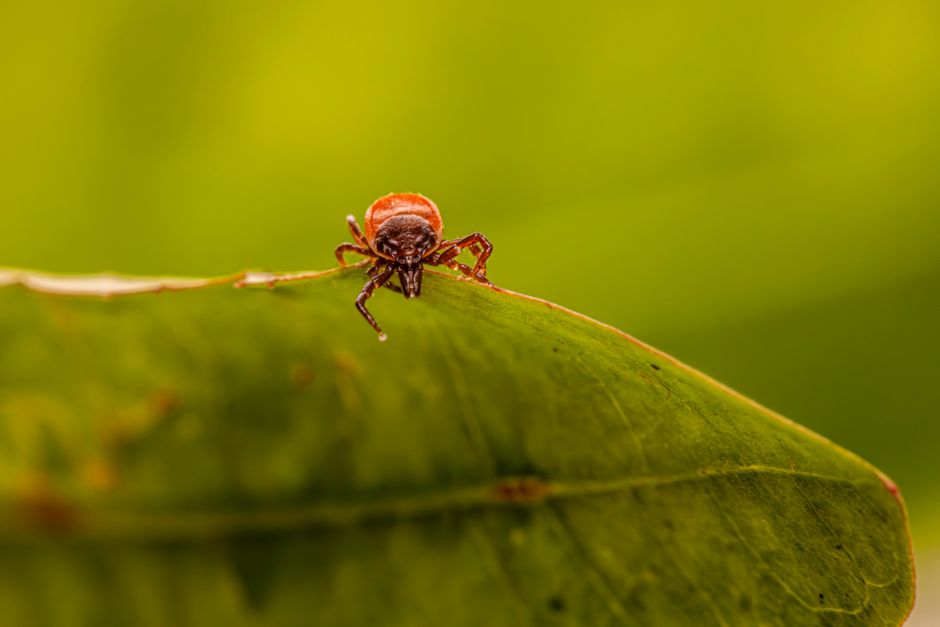
Finding a bug in your bed is unsettling. But not every bug is a bed bug. The only reliable way to know if you have bed bugs is to look for specific physical evidence: live bugs, shed skins, or small dark spots on your mattress. Bed bugs leave clear signs that are different from fleas, ticks, or carpet beetles. This article walks you through exactly what to look for and what to ignore.
What Do Bed Bugs Actually Look Like?
Adult bed bugs are small but visible. They are about the size of an apple seed — roughly 4 to 5 millimeters long. Their bodies are flat and oval-shaped. After feeding, they swell up and turn reddish. Before feeding, they are a brownish color.
Young bed bugs, called nymphs, are smaller and lighter in color. They can be hard to see without a flashlight. Bed bugs do not have wings. They cannot fly or jump. They move by crawling.
Many people mistake other insects for bed bugs. Carpet beetles, booklice, and spider beetles are common look-alikes. If you find a bug, trap it in clear tape or a jar. Compare it to photos from a trusted source like the EPA or CDC. A 2018 study in the Journal of Medical Entomology found that even pest control professionals misidentify bed bugs about 10% of the time. So be careful before you panic.
Where Do Bed Bugs Hide?
Bed bugs stay close to where people sleep. That means your bed frame, mattress seams, box spring, and headboard are the first places to check. They hide in cracks and crevices no wider than a credit card.
Do not just check the top of your mattress. Flip it. Check the underside. Look along the seams where the fabric is stitched. Use a flashlight and a credit card or thin spatula to pry into tight spaces.
Bed bugs also hide in other furniture near the bed. Nightstands, dressers, and chairs are common spots. They can hide behind loose wallpaper, under baseboards, and inside electrical outlets. They do not live on your body like lice. They feed and then retreat to a hiding spot.
A 2019 survey by the National Pest Management Association found that bed bugs are most commonly found in beds (93% of cases), followed by sofas and chairs (55%), and then baseboards and molding (38%). Check these areas in order of likelihood.
What Are the Signs of Bed Bugs Besides the Bugs Themselves?
You might not see a live bug. But you can still have an infestation. Look for these signs instead.
- Fecal spots. Bed bug droppings look like small dark dots. They are about the size of a period at the end of a sentence. They bleed into fabric like a marker stain. Check your sheets, mattress seams, and box spring.
- Blood stains. Small rusty or reddish smears on your sheets can happen if you roll over and crush a bed bug that just fed. These stains are not from your own blood.
- Cast skins. Bed bugs shed their outer shell five times before becoming adults. These skins are pale yellow and look like empty bug shells. You will find them near hiding spots.
- Eggs. Bed bug eggs are tiny — about 1 millimeter — and white. They stick to surfaces. Look for clusters in seams and crevices. They look like small grains of rice.
- Musty odor. A heavy infestation can produce a sweet, musty smell. Some people describe it like rotten raspberries. This comes from the bugs scent glands. If you notice this smell, the infestation is likely large.
The CDC states that a combination of these signs — not just one — is the most reliable indicator. A single dark spot on your sheet could be dirt. Multiple signs in the same area are much more suspicious.





How To Know If You Have Bed Bugs From Bites Alone?
You cannot reliably diagnose bed bugs from bites. This is one of the most common mistakes people make. Bed bug bites look different on different people. Some people have no reaction at all. A 2012 study in the British Journal of Dermatology found that about 30% of people do not react to bed bug bites.
For those who do react, bites often appear as small red welts. They are usually in a line or cluster. This happens because a bed bug feeds, moves a few millimeters, and feeds again. But many other conditions cause similar patterns. Flea bites, mosquito bites, and even allergic reactions can look identical.
Do not rely on bite patterns alone. A 2017 review in Clinical Dermatology noted that bed bug bites are frequently misdiagnosed by doctors. If you wake up with bites, check for the physical signs listed above. If you find no bugs, no droppings, and no skins, bed bugs are unlikely. Consider other causes like fleas from a pet or a reaction to laundry detergent.
How To Check for Bed Bugs Step by Step
Here is a practical method to inspect your bedroom. You will need a bright flashlight, a credit card or thin scraper, and a magnifying glass if you have one.
- Strip your bed completely. Wash all bedding in hot water and dry on high heat. Heat kills bed bugs and eggs.
- Inspect the mattress seams. Run the credit card along each seam. Look for bugs, skins, and fecal spots. Check both sides of the mattress.
- Check the box spring. Remove the fabric layer underneath if possible. Bed bugs often hide inside box springs. Use the flashlight to look into every gap.
- Examine the bed frame. Look at joints, screws, and wooden slats. Bed bugs hide in the cracks where wood meets wood.
- Inspect the headboard. Remove it from the wall if possible. Check the back side and the wall behind it.
- Check nearby furniture. Open nightstand drawers and flip them over. Look under lamps and clocks. Check baseboards and outlet covers.
- Use a flashlight to examine the floor around the bed. Look along baseboards and carpet edges.
If you find evidence, do not sleep in another room. Bed bugs will follow you. Stay in the same room and call a pest control professional. The EPA recommends hiring a licensed exterminator who has experience with bed bugs. Do-it-yourself treatments often fail because bed bugs hide well and resist many common pesticides.
Common Misconceptions About Bed Bugs
Many viral claims about bed bugs are not backed by evidence. Here are a few to ignore.
Bed bugs only live in dirty homes. This is false. Bed bugs do not care about cleanliness. They are found in five-star hotels, hospitals, and clean apartments. A 2018 survey by the NPMA found that bed bugs are equally common in low-income and high-income housing. They travel on luggage, clothing, and furniture. Anyone can get them.
Bed bugs spread disease. There is no strong evidence that bed bugs transmit diseases to humans. Unlike mosquitoes or ticks, bed bugs are not known to carry pathogens that cause illness. The CDC states that bed bugs are a public health nuisance but not a disease vector. Their bites can cause secondary infections from scratching, but they do not spread viruses or bacteria.
Bug zappers or ultrasonic devices repel bed bugs. These devices have no scientific support. A 2021 review in the Journal of Economic Entomology found no evidence that ultrasonic repellents work on bed bugs. Bug zappers kill flying insects but have no effect on crawling bed bugs. Do not waste money on these products.
You can get rid of bed bugs by throwing away your mattress. This rarely works. Bed bugs hide in bed frames, box springs, baseboards, and furniture. Throwing away the mattress might remove a few bugs, but the infestation remains. You will also spread bugs to other parts of your home as you move the mattress through hallways. Professional treatment is more effective and less risky.
Comparison of Bed Bug Signs vs. Other Common Issues
| Sign | Likely Bed Bug | Likely Something Else |
|---|---|---|
| Red welts in a line | Possible | Also possible with flea bites or mosquito bites |
| Dark spots on mattress seams | Very likely | Could be dirt or mold in rare cases |
| Blood stains on sheets | Likely | Could be a nosebleed or scratch |
| Musty smell | Likely with heavy infestation | Could be mold or mildew |
| Live bugs on bed | Very likely | Could be carpet beetle or spider beetle |
| Bites only at night | Possible | Also possible with some allergic reactions |
Use this table as a quick reference. But remember: the only definitive sign is seeing the bug itself or its shed skins and droppings together. Bites alone are not enough.
What To Do If You Find Bed Bugs
If you confirm bed bugs, do not panic. They are stressful but treatable. The first step is to contact a licensed pest control company. Ask if they use integrated pest management (IPM). IPM combines chemical and non-chemical methods. It is more effective than spraying alone.
While you wait for treatment, reduce clutter in the room. Vacuum thoroughly and throw away the vacuum bag in an outside trash can. Wash and dry all bedding and clothing on high heat. Heat kills bed bugs at all life stages. The University of Kentucky entomology department recommends a dryer temperature of at least 120°F for 30 minutes.
Do not use bug bombs or foggers. A 2017 study in the Journal of Economic Entomology found that foggers are ineffective against bed bugs and can cause them to scatter to other rooms. This makes the problem worse. Stick to professional treatment.
Some people report success with mattress encasements. These are zippered covers that trap bed bugs inside. They prevent new bugs from getting in. But encasements alone do not kill all bugs. They are a tool, not a cure. Use them together with professional treatment.
There is no clinical evidence that essential oils, rubbing alcohol, or diatomaceous earth alone eliminate a bed bug infestation. These methods might kill a few bugs on contact but do not reach hidden ones. The EPA warns against relying on unregistered pesticides. Stick to products labeled for bed bugs and applied by a professional.
Frequently Asked Questions
Can you have bed bugs and not see them?
Yes. Early infestations may have very few bugs that hide deep in cracks. You might only see droppings or shed skins at first.
How fast do bed bugs spread from room to room?
Bed bugs crawl slowly but can spread between rooms in days or weeks. They often travel through wall voids and along pipes.
Do bed bugs come out every night?
Bed bugs typically feed every 5 to 10 days. They can survive months without a meal, so they do not come out every night.
Can a doctor confirm bed bugs from bites?
No. Doctors can identify that bites are present but cannot confirm the cause. Only finding the bugs or their signs confirms an infestation.
