
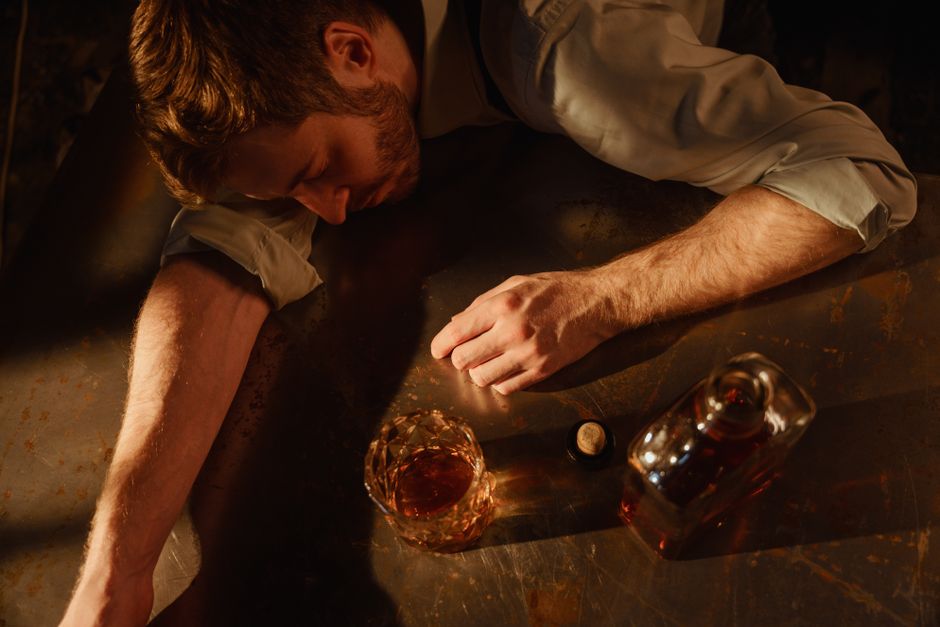
A hangover is the body’s physical reaction to drinking too much alcohol. You likely have one if you feel headache, nausea, fatigue, and sensitivity to light after a night of drinking. These symptoms usually begin once your blood alcohol level drops to near zero, often peaking the morning after.
The experience is common, but the severity varies from person to person and drink to drink. Understanding exactly what a hangover is — and what causes it — can help you recognize the signs early and know what is happening inside your body.
What Are The Most Common Hangover Symptoms?
Hangover symptoms typically start within a few hours after you stop drinking. They tend to peak when your blood alcohol concentration returns to zero, which is often when you wake up.
The classic symptoms include headache, nausea, vomiting, and extreme thirst. Many people also experience dizziness, muscle aches, and a general feeling of being unwell. Sensitivity to light and sound is also very common.
Mental symptoms are just as real as physical ones. Trouble concentrating, irritability, and mood changes frequently accompany the physical discomfort. Some people describe a feeling of brain fog that makes simple tasks feel difficult.
Fatigue is nearly universal. Even if you slept for eight hours, the quality of that sleep was likely poor. Alcohol disrupts the sleep cycle, particularly the deep restorative stages, which is why you can wake up feeling exhausted.
Not everyone experiences every symptom. Some people only get a headache. Others mainly feel nausea and stomach discomfort. The pattern depends on your genetics, how much you drank, and other individual factors.
How To Know If You Have A Hangover Symptoms And Causes
The fastest way to identify a hangover is to connect your symptoms to recent alcohol consumption. If you drank heavily the night before and now feel headache, nausea, or fatigue, a hangover is the most likely explanation.
Timing matters. Hangover symptoms appear after the intoxicating effects of alcohol begin to wear off. You do not get a hangover while you are still drunk. The symptoms emerge as your blood alcohol level falls and continue into the next day.
Dehydration plays a central role. Alcohol is a diuretic, meaning it makes your body produce more urine. For every standard drink, your body loses more fluid than it takes in. This fluid loss contributes directly to the headache, dry mouth, and dizziness you feel.
Alcohol also irritates the stomach lining. This irritation increases acid production and slows stomach emptying, which explains the nausea and vomiting many people experience. The stomach discomfort is not imaginary or purely psychological — it is a direct physical effect.
Inflammation is another key factor. Alcohol triggers an immune response in the body that raises levels of inflammatory chemicals. These chemicals are linked to the headache, fatigue, and general malaise that define a hangover. Some researchers consider a hangover a mild form of the body’s inflammatory response.
Blood sugar can also drop after heavy drinking. Alcohol interferes with the liver’s ability to release glucose into the bloodstream. Low blood sugar contributes to weakness, shakiness, and fatigue the next morning.
How Much Alcohol Causes A Hangover?
There is no single threshold that guarantees a hangover. Some people get one after two drinks. Others can drink considerably more and wake up fine. Individual variation is significant and partly genetic.
That said, the risk rises with the amount of alcohol consumed. Research consistently shows that the more you drink, the more likely you are to experience a hangover. Binge drinking — typically defined as four or more drinks for women and five or more for men within about two hours — substantially increases the risk.
What you drink also matters. Darker spirits like whiskey, brandy, and red wine contain more compounds called congeners. These are byproducts of fermentation that contribute to flavor and color. Some research suggests drinks with higher congener levels produce more severe hangovers than clear spirits like vodka or gin at the same alcohol content.
Carbonated drinks may also be a factor. Bubbles can speed up alcohol absorption, meaning the alcohol reaches your bloodstream faster. Some people report worse hangovers after champagne or sparkling wine, though the evidence here is less clear.
Drinking on an empty stomach makes symptoms worse. Food slows alcohol absorption, giving your body more time to process it. Eating before or during drinking does not prevent a hangover, but it can reduce its severity.



What Happens Inside Your Body During A Hangover?
Alcohol affects nearly every system in the body, so the hangover is not a single event. It is a collection of disruptions happening at once.
Your blood vessels expand during a hangover, which contributes to the throbbing headache. The dehydration from alcohol reduces blood volume, and the combination of expanded vessels and reduced fluid creates pressure that your brain registers as pain.
Your stomach is dealing with direct irritation. Alcohol increases gastric acid secretion and can cause inflammation of the stomach lining. This is why nausea and vomiting are so common. Your body is essentially trying to expel what it recognizes as a toxin.
Your immune system is responding to alcohol as an invader. This triggers the release of cytokines, which are inflammatory signaling molecules. These same molecules are involved in fighting infections, which is why a hangover can feel like having the flu.
Your sleep architecture is disrupted. Alcohol reduces the amount of rapid eye movement (REM) sleep and slow-wave sleep you get. Even if you sleep the same number of hours, you wake up less rested because you missed critical restorative stages.
Your blood sugar may be low. Alcohol blocks the liver from producing glucose, the sugar your body and brain need for energy. This contributes to the weakness and difficulty concentrating that many people report.
How Long Does A Hangover Last?
Most hangovers resolve within 24 hours. Symptoms typically begin when blood alcohol levels approach zero and often peak the morning after drinking. Most people feel significantly better by the evening of the next day.
The exact duration depends on several factors. How much you drank, your body weight, your metabolism, and how well hydrated you stayed all play a role. Some people recover in a few hours. Others feel unwell for the better part of a full day.
Hangover symptoms that last longer than 24 hours are less typical. If you still feel unwell after a full day, consider whether something else might be going on. Viral illness, food poisoning, or another medical condition can produce similar symptoms.
What Does Not Cure A Hangover?
There is no cure for a hangover. Once the alcohol is in your system and the damage is done, time is the only real treatment. Your body needs time to process the alcohol and recover from its effects.
The “hair of the dog” approach — drinking more alcohol the next morning — does not help. It temporarily masks symptoms by numbing the body, but it delays recovery and can make the next hangover worse. It also increases the risk of developing a pattern of alcohol dependence.
Pain relievers require caution. Acetaminophen (Tylenol) is processed by the liver, which is already stressed from processing alcohol. Taking acetaminophen with alcohol in your system increases the risk of liver damage. Ibuprofen and other nonsteroidal anti-inflammatory drugs (NSAIDs) can further irritate the stomach lining that alcohol has already inflamed.
Coffee does not cure a hangover. Caffeine can help with fatigue and alertness, but it is also a diuretic. It can worsen dehydration. If you drink coffee, pair it with water and do not rely on it as a fix.
What Actually Helps Hangover Symptoms?
Fluids are the first priority. Water, electrolyte drinks, or clear broths help replace the fluid and electrolytes lost through alcohol’s diuretic effect. Sip slowly if you are nauseated rather than drinking large amounts at once.
Eating a light meal can help stabilize blood sugar. Bland foods like toast, crackers, or bananas are gentle on the stomach while providing carbohydrates your body needs. Avoid greasy or heavy foods that can worsen nausea.
Rest is important. Your body is recovering from a significant metabolic stress. Sleep, even if you already slept, gives your systems time to return to normal. If you can nap during the day, do so.
Time is the only true remedy. Most people feel better within 24 hours as their body processes the alcohol and restores normal function. The best approach to a hangover is prevention — drinking less, drinking slowly, eating before drinking, and alternating alcohol with water.
Frequently Asked Questions
Can you have a hangover without a headache?
Yes. Headache is common but not universal. Some people only experience nausea, fatigue, or sensitivity to light without head pain.
How soon after drinking do hangover symptoms start?
Symptoms usually begin as your blood alcohol level falls, often within a few hours after you stop drinking. They typically peak the next morning when your blood alcohol reaches zero.
Is throwing up a sign of alcohol poisoning or just a hangover?
Vomiting can occur with both. Seek emergency medical care if vomiting is severe or persistent, if you are confused, have cold or clammy skin, or if you cannot be awakened.
Does drinking water before bed prevent a hangover?
Drinking water before bed can reduce dehydration and may lessen symptom severity, but it does not prevent a hangover. Your body still needs time to process the alcohol.
