
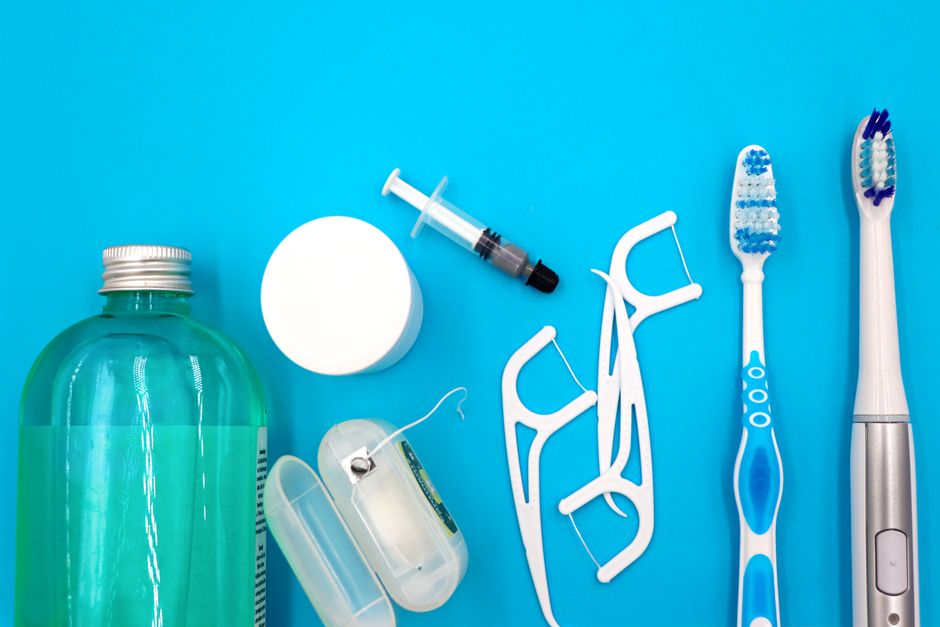
A cavity between teeth can be easy to miss because it often starts where you cannot see it. The most common signs are a sharp pain when you bite down, sensitivity to sweet or hot or cold foods, a rough or “sticky” feeling when you run floss between two teeth, or a visible dark spot on a dental X-ray. In the early stages, many people feel nothing at all — which is exactly why these cavities are often found by a dentist rather than by the person who has one.
A cavity between teeth has a name: an interproximal cavity. It forms in the tight space where two teeth touch, an area your toothbrush bristles cannot reach. Because the earliest damage happens below the point where you can see it, symptoms tend to show up later than they do with cavities on the chewing surfaces or near the gumline.
What Does a Cavity Between Teeth Actually Feel Like?
In the beginning, an interproximal cavity usually feels like nothing. The outer enamel has no nerves, so decay can progress there without any sensation at all. You will not feel a thing until the decay reaches the softer dentin layer underneath, and even then, the signal can be faint.
Once the cavity gets deeper, the sensations become more noticeable. People commonly describe:
- A quick, sharp twinge when biting into something
- Sensitivity to cold drinks or ice cream that lingers for a few seconds
- A dull ache after eating sweets
- Pain when you floss in one specific spot
- Food that seems to get trapped in the same gap over and over
The location matters. A cavity on the top of a molar tends to be felt when you chew. A cavity between teeth is often felt when something touches the side of the tooth — which is why flossing can suddenly become painful in one spot.
Here is the part that surprises many people: pain is not a reliable early warning system. A tooth can have a developing cavity for months and feel completely normal. By the time pain shows up, the decay has usually moved past the enamel.
How To Know If You Have A Cavity Between Teeth
You often cannot know on your own. The most reliable way to find an interproximal cavity is a dental exam with X-rays, because the decay sits in a space your eyes and your toothbrush cannot reach.
That said, there are clues you can watch for at home. None of them confirm a cavity, but they are reasons to get checked:
- Floss fraying or shredding in the same spot every time. A rough cavity edge can catch the floss.
- A visible dark spot between teeth, if you can see one at all. Many cannot.
- A rough or gritty feeling when you run floss along the side of a tooth.
- One spot that is sensitive to cold or sweets while the rest of your mouth is fine.
- A persistent bad taste or odor from one area, which can happen if decay traps food and bacteria.
What you should not rely on is a mirror and good lighting. Interproximal cavities form below the contact point where two teeth meet. Even a dentist often cannot see them without a radiograph. Bitewing X-rays are the standard tool for catching decay between teeth, and they are typically taken at routine checkups on a schedule your dentist sets based on your risk.
A word of caution about at-home “cavity tests.” No smartphone app, light, or mirror technique has been shown to reliably detect an interproximal cavity. If you suspect one, the answer is a dental visit, not a gadget.
Why Do Cavities Form Between Teeth?
Decay happens when bacteria in plaque feed on sugar and produce acid that dissolves tooth enamel. The space between teeth is a near-perfect environment for this process, for a few reasons.
First, it is hard to clean. Toothbrush bristles are too wide to fit between most teeth, so plaque builds up there faster than on open surfaces. Second, food and sugar linger in the gap. Third, the enamel at the contact point is thinner than on the chewing surface and easier for acid to break through.
The result is that two teeth sharing a tight space can both develop cavities on their facing sides. This is one reason dentists pay close attention to the same gaps over time.
Several factors raise the risk of decay in general, and they apply here too:
- Frequent snacking or sipping on sugary or starchy foods and drinks
- Dry mouth, which reduces the saliva that normally neutralizes acid
- Not flossing, or flossing that skips the same spots
- Deep grooves or tight contacts that trap plaque
- Past cavities, which raise the odds of future ones
Fluoride exposure and saliva both help repair early enamel damage through a process called remineralization. Once a cavity has formed a physical hole in the tooth, though, the body cannot fill it back in. That is the dividing line between a problem that can sometimes be reversed and one that needs a dentist.




How Are Cavities Between Teeth Treated?
Treatment depends on how far the decay has gone. For an early cavity that has not broken through the enamel, some dentists recommend a wait-and-watch approach with fluoride and improved home care, because very early enamel changes can sometimes be stopped or slowed. This is a judgment call made case by case, and it is not appropriate once a true cavity has formed.
For an established cavity, the standard treatment is a filling. The dentist removes the decayed portion and restores the tooth, usually with a tooth-colored composite. Because the cavity is on the side of the tooth, the dentist often has to work between the teeth, which can make the filling a bit more involved than one on a flat surface.
If the decay has reached the nerve, more extensive treatment may be needed, such as a root canal, followed by a crown. This is why catching interproximal cavities early matters. A small filling is simpler, cheaper, and preserves more of your natural tooth than a root canal does.
There is a common misconception worth clearing up: a filling does not make a tooth immune to future decay. The edge where the filling meets the tooth can collect plaque, and a new cavity can form right next to an old filling. Good flossing around restorations still matters.
Can You Prevent Cavities Between Teeth?
You can lower the risk, and the single most important habit is flossing. Flossing is the only common home method that physically removes plaque from the space between teeth, which is exactly where an interproximal cavity starts.
Other steps that align with general dental guidance:
- Floss at least once a day, and curve the floss against each tooth side rather than snapping it straight down.
- Use fluoride toothpaste. Fluoride helps harden enamel and supports remineralization.
- Limit how often you eat sugary or starchy snacks, since frequency matters as much as amount.
- Drink water, especially if your mouth tends to be dry.
- Keep routine dental visits, and follow your dentist’s advice on how often you need X-rays.
For people with tight contacts, braces, or a history of many cavities, a dentist may suggest additional tools such as interdental brushes or a fluoride rinse. These are individual recommendations, not universal ones, and the evidence for any single add-on varies.
One honest note: no home routine eliminates the risk entirely. Even people who floss daily can develop an interproximal cavity. Regular exams are what catch the ones that slip through.
When Should You See a Dentist?
See a dentist if you have pain in a specific spot, sensitivity that lasts, a rough or fraying contact when you floss, or any visible dark area between teeth. Do not wait for the pain to become constant. Constant or throbbing pain can be a sign that decay has reached the nerve, which usually means more involved treatment.
If you have no symptoms at all, routine checkups are still the way these cavities get found. Interproximal decay is quiet by nature, and the exam — not the symptom — is what usually catches it first.
Frequently Asked Questions
Can you see a cavity between teeth without an X-ray?
Usually no, because the decay forms below the point where the two teeth touch. A dentist often needs a bitewing X-ray to detect it.
Does a cavity between teeth always hurt?
No. Early interproximal cavities often cause no pain at all because enamel has no nerves. Pain tends to appear once decay reaches the softer dentin layer underneath.
Can a cavity between teeth heal on its own?
Very early enamel damage can sometimes be slowed or stopped with fluoride and better home care, but a cavity that has formed a physical hole cannot heal itself. That stage needs a dentist.
Is flossing enough to prevent cavities between teeth?
Flossing is the most important home habit for cleaning between teeth, but it does not remove all risk. Fluoride, limiting sugary snacks, and routine dental exams all play a role too.
