
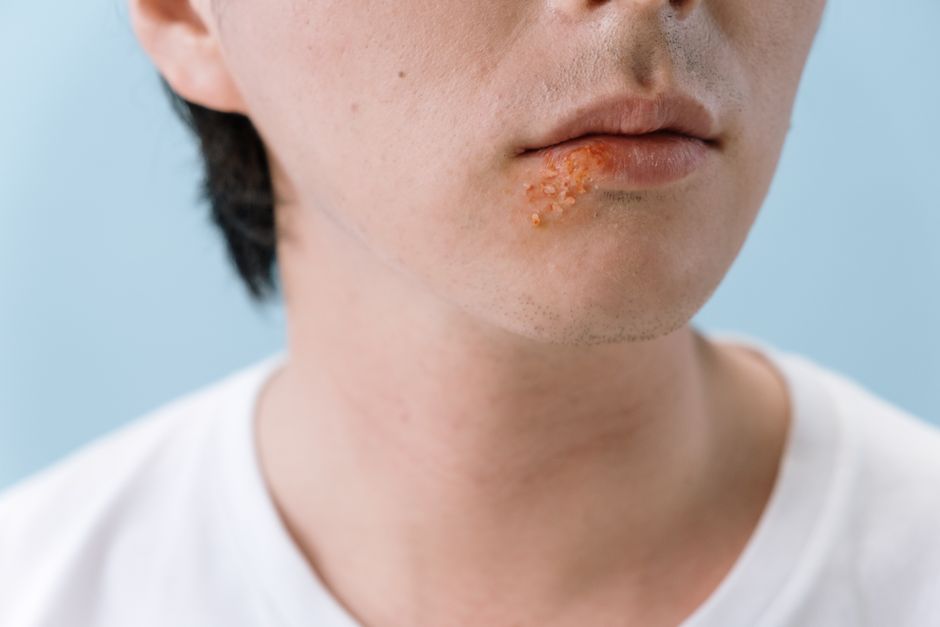
Herpes is one of the most common viral infections in humans, and it is also one of the most misunderstood. The hallmark of genital herpes is a cluster of small, fluid-filled blisters that break open into painful sores. Oral herpes usually shows up as a cold sore or fever blister on or around the lips. The tricky part is that many other skin conditions can produce something that looks almost identical — and most people who carry the virus never develop noticeable symptoms at all. Telling the difference usually requires a clinician’s eye and, in many cases, a lab test.
What Does Herpes Actually Look Like on the Skin?
Herpes lesions follow a fairly predictable pattern. They typically begin as small red bumps, then turn into thin-walled blisters filled with clear fluid. Within a day or two those blisters rupture and leave shallow, painful ulcers with a red base. The sores crust over and heal, usually without leaving a scar.
Genital herpes most often appears on the genitals, buttocks, or inner thighs. Oral herpes tends to cluster around the lips or just inside the mouth. Before the sores appear, many people notice a tingling, itching, or burning sensation in that exact spot. That early warning sign is called a prodrome, and it is one of the more distinctive features of herpes.
First outbreaks tend to be the worst. They can come with fever, swollen lymph nodes, headache, and body aches. Recurrences are usually milder, shorter, and confined to a smaller area. That pattern — a tingling prodrome followed by grouped blisters that crust and heal — is what separates herpes from most look-alikes.
How To Know If Its Herpes Symptoms And Look Alikes?
You cannot reliably tell herpes apart from its look-alikes just by looking. This is the single most important thing to understand about this topic. Conditions like canker sores, syphilis, chancroid, and several other skin problems can produce ulcers that look nearly identical to a herpes outbreak.
What pushes the odds toward herpes is the combination of features: a tingling prodrome, a cluster of blisters rather than a single sore, a location on the lips or genitals, and a history of similar episodes that come and go. What pushes the odds away is a single ulcer with a hard, painless edge (which can suggest syphilis), sores only inside the mouth (which are usually canker sores), or a rash that spreads across a wider area of skin.
The only way to know for certain is testing. A clinician can swab an active sore and send it for a polymerase chain reaction (PCR) test, which detects viral DNA and is considered the most accurate method when a lesion is present. Blood tests can detect antibodies to herpes simplex virus, but they have real limits — they cannot tell you when you were infected, and they can miss a recent infection because antibodies take time to develop.
Which Conditions Are Commonly Mistaken for Herpes?
Several conditions produce sores or bumps that get confused with herpes. Some are minor and self-limiting. Others need specific treatment.
- Canker sores (aphthous ulcers). These appear inside the mouth, on the tongue, or on the gums. They are not caused by the herpes virus and are not contagious. They usually have a white or yellow center with a red border.
- Syphilis. The primary stage of syphilis causes a single, usually painless ulcer called a chancre. It can appear on the genitals and can easily be mistaken for a herpes sore. Syphilis is treatable with antibiotics, which is one reason accurate diagnosis matters.
- Chancroid. A bacterial infection that causes painful genital ulcers. It is uncommon in the United States but still occurs.
- Folliculitis. Infected hair follicles can produce red, tender bumps in the genital area that resemble early herpes.
- Contact dermatitis. A reaction to soap, detergent, or latex can cause redness, irritation, and sometimes small blisters.
- Behçet’s disease. A rare inflammatory condition that can cause mouth and genital ulcers.
- Hand, foot, and mouth disease. A viral illness that causes sores in the mouth and a rash on the hands and feet, mostly in children.
Because these conditions overlap so much with herpes in appearance, visual inspection alone is not reliable. A clinician who suspects herpes will usually swab the sore or order a blood test rather than guess.




How Do Doctors Tell the Difference?
Doctors use a combination of history, physical exam, and lab testing. The history matters a lot. A pattern of recurrent outbreaks in the same spot, preceded by tingling, points strongly toward herpes. A single sore that appeared once and never returned is more likely to be something else.
The physical exam looks at the number of sores, their shape, their location, and whether they are grouped or scattered. Herpes sores tend to appear in clusters of small blisters. Syphilis usually causes one larger, firm ulcer. Canker sores sit inside the mouth and have a different border.
Lab testing settles the question. PCR testing of a swab from an active sore is the most accurate method when a lesion is present. If no sore is visible, a blood test can check for antibodies to HSV-1 or HSV-2, though results need careful interpretation. A positive blood test means you carry the virus, not that a current sore is definitely herpes.
One detail worth knowing: HSV-1 and HSV-2 are different viruses, but both can cause sores in either location. HSV-1 traditionally causes oral cold sores and HSV-2 traditionally causes genital outbreaks, but that line has blurred. Oral HSV-1 can be transmitted to the genitals through oral sex, and genital HSV-1 is now a common cause of genital herpes in some populations.
What Are the First Signs of a Herpes Outbreak?
The earliest sign is often a sensation rather than a visible sore. Many people describe tingling, itching, burning, or a dull ache in the area where sores will appear. This prodrome can start hours to a day or two before any blister shows up.
Then the skin develops small red bumps that quickly become fluid-filled blisters. The blisters break, leaving shallow ulcers that can be quite painful. In a first outbreak, the sores may take one to three weeks to heal. Recurrent outbreaks typically heal faster, often within a few days to a week.
Other symptoms can accompany a first outbreak — fever, swollen lymph nodes in the groin or neck, headache, and muscle aches. These systemic symptoms are more common with a first episode than with recurrences.
Not everyone gets a noticeable outbreak. Many people who carry the virus never develop sores, or their symptoms are so mild they mistake them for a pimple, an ingrown hair, or irritation. This is a major reason herpes spreads — people can shed the virus without knowing they have it.
When Should You See a Doctor?
See a doctor if you have sores in the genital area, mouth, or anywhere on the skin that you cannot explain. This is especially true if the sores are painful, keep coming back, or are accompanied by fever or swollen lymph nodes.
Timing matters for testing. A PCR swab works best when a sore is still active — ideally within the first day or two of appearing. Once the sore crusts over, the test becomes less reliable. If you think you may have been exposed and no sore is present, a blood test can be done, but antibodies may not show up immediately after infection.
Do not try to diagnose yourself by comparing photos online. Images of herpes and its look-alikes overlap so much that even clinicians rarely rely on appearance alone. A short visit to a doctor or clinic can give you a clear answer, and in many cases, treatment that shortens the outbreak.
If you are pregnant and have a history of genital herpes, tell your doctor. Genital herpes can be passed to a newborn during delivery, and there are established steps to reduce that risk. This is a situation where medical guidance is essential.
Can You Have Herpes Without Symptoms?
Yes. Most people who carry herpes simplex virus do not know they have it. The virus can be present and shed from the skin without causing any visible sores. This is called asymptomatic shedding.
Asymptomatic shedding is why herpes spreads so easily. A person with no symptoms can still pass the virus to a partner. The risk is not zero even when no sores are visible, though it is generally higher when sores are present.
Blood testing can reveal whether you carry HSV-1 or HSV-2, but it does not tell you when you were infected or how often you shed the virus. For people with no symptoms and no known exposure, routine blood testing is not universally recommended. The Centers for Disease Control and Prevention does not recommend routine herpes blood screening for people without symptoms, partly because a positive result can cause distress without changing management much.
How Is Herpes Treated?
There is no cure for herpes, but antiviral medications can reduce the frequency and severity of outbreaks. The three main antivirals used are acyclovir, valacyclovir, and famciclovir. They work by slowing the virus’s ability to multiply.
Antivirals can be taken in two ways. Episodic treatment starts when you feel an outbreak coming on and continues for a few days. Suppressive therapy is taken daily to reduce how often outbreaks happen. Some clinicians recommend suppressive therapy for people who have frequent outbreaks or whose partners are uninfected. The exact dosing and duration should come from a clinician, not from a general article.
Antivirals do not eliminate the virus or fully prevent transmission, but they can lower the risk. Condom use and avoiding sex during outbreaks also reduce transmission. These measures lower risk; they do not remove it entirely.
For cold sores, over-the-counter creams and prescription antivirals can shorten healing time. They work best when started at the first tingle, before the blister fully forms.
What Else Can Look Like Herpes but Is Not?
Beyond the conditions already listed, a few other things can mimic herpes. A pimple or ingrown hair in the genital area can look like an early herpes bump. A friction blister from tight clothing or exercise can resemble a herpes sore. Even a minor skin infection can produce a red, tender bump that raises concern.
The key difference is usually the pattern. Herpes tends to produce multiple small blisters in a cluster, often with a tingling prodrome and a history of recurrence. A single pimple or friction blister usually appears once, stays put, and resolves without the crusting and ulceration that herpes causes.
If you are unsure, do not guess. A swab test during an active sore is quick and accurate. Waiting to see if it comes back is not a reliable strategy, because many people never have a second outbreak — or never notice one.
Frequently Asked Questions
Can I tell if I have herpes just by looking at a sore?
No. Herpes sores look nearly identical to several other conditions, including canker sores, syphilis, and folliculitis. Only a lab test can confirm whether a sore is caused by herpes simplex virus.
How soon after exposure do herpes symptoms appear?
If symptoms develop, they usually appear within a few days to about two weeks after exposure. Many people never develop noticeable symptoms at all, which is why the virus spreads so easily.
Are canker sores the same as herpes?
No. Canker sores are not caused by the herpes virus and are not contagious. They appear inside the mouth, while herpes sores often appear on or around the lips or in the genital area.
Can herpes be mistaken for a pimple or ingrown hair?
Yes, especially in the genital area. A single early herpes bump can look like a pimple or ingrown hair, but herpes usually progresses to a cluster of blisters that break open and crust over.
