
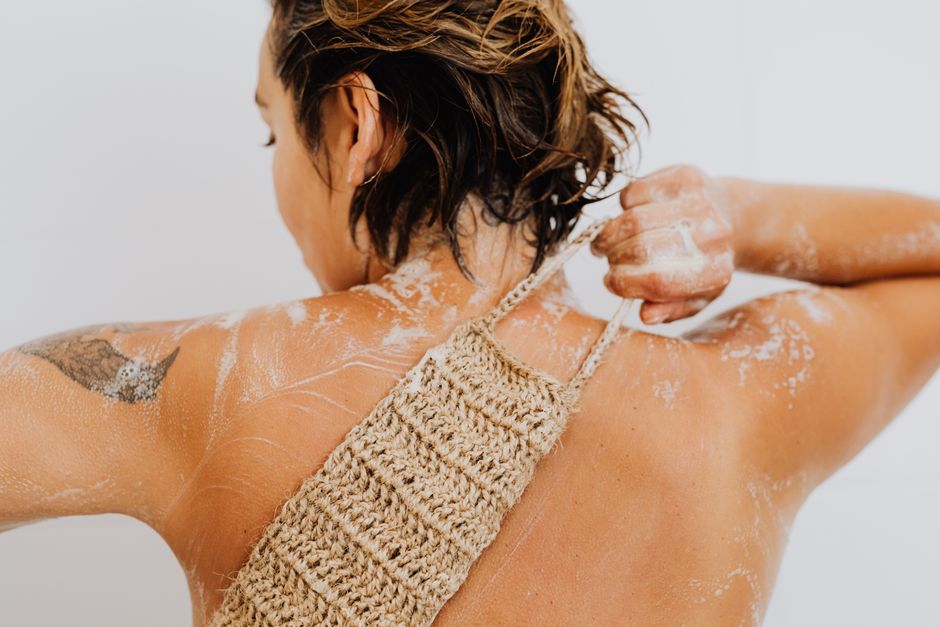
Loofahs are a favorite shower tool, but they are also a perfect home for bacteria. The answer to keeping one clean is simple: rinse it thoroughly, squeeze out all excess water, and hang it to dry completely between uses. Because bacteria thrive in damp, dark environments, a wet loofah left on a shower floor is a breeding ground for microbes. You should also replace your loofah regularly, typically every three to four weeks, as even the best care cannot keep it permanently clean.
Why Do Loofahs Get So Dirty?
A loofah is made of dead plant fibers with a porous, sponge-like structure. Those tiny holes and channels trap dead skin cells, body oils, and soap residue every time you use it. This material is the perfect food source for bacteria.
Your bathroom is also warm and humid. When you leave a wet loofah in the shower, you create the ideal environment for microorganisms to multiply rapidly. Studies have found that loofahs can harbor a wide range of bacteria, including species that can cause skin infections. The combination of trapped skin cells and standing moisture is what makes the problem worse.
How To Keep Your Loofah Clean And Bacteria Free
Proper drying is the single most important step. Bacteria cannot survive on a completely dry surface. After each use, rinse the loofah thoroughly under running water to wash away soap and loose skin cells.
Squeeze out as much water as you can. Then hang it in a place where air can reach it from all sides. Do not leave it sitting in a puddle or on a damp surface. A shower caddy with good airflow works well. A hook on the outside of the shower is even better because it stays drier.
Some people microwave a wet loofah for about 20 seconds to kill bacteria. Research on this method shows it can be effective at reducing germs, but it also carries a fire risk. The loofah must be completely wet, and you must watch it constantly. If you try this, let it cool completely before using it again.
Bleach solutions are another common method. Soaking a loofah in a diluted bleach solution can kill many bacteria. However, you must rinse it extremely well afterward to remove any bleach residue. Your skin is sensitive, and leftover bleach can cause irritation.
How Often Should You Replace Your Loofah?
Most dermatologists recommend replacing a natural loofah every three to four weeks. This is not an arbitrary number. The plant fibers break down over time, creating more surface area for bacteria to hide in. The structure also becomes softer and less effective at exfoliating.
You should replace it sooner if it starts to smell. A bad odor is a clear sign that bacteria or mold are growing inside the fibers. No amount of rinsing will fix that. If the loofah changes color or develops a slimy texture, throw it away immediately.
People with sensitive skin or weakened immune systems should replace their loofah even more frequently. Some dermatologists suggest using a fresh loofah every two weeks for these individuals. The risk of infection is simply not worth saving a few dollars.



Are There Better Alternatives To Natural Loofahs?
Natural loofahs are not the only option. Synthetic shower poufs, often called mesh scrubbers, have a similar problem. They also trap skin cells and bacteria, and they take a long time to dry because of their dense layers. They need the same care and replacement schedule as natural loofahs.
Washcloths are a better option for many people. A cotton washcloth can be used once and then thrown in the laundry. Washing it in hot water with detergent kills the bacteria. This gives you a clean exfoliating tool every single time you shower. You can buy a stack of them and rotate them daily.
Silicone scrubbers are another alternative. They are non-porous, which means bacteria have nowhere to hide. They dry quickly, and you can clean them easily with soap and water or by wiping them with rubbing alcohol. They are more durable and do not need to be replaced as often.
A long-handled brush with synthetic bristles is also practical. It dries quickly, and you can wash it periodically. It is particularly useful for reaching your back without twisting.
Can Using A Dirty Loofah Make You Sick?
Using a dirty loofah can cause skin problems, especially for people with sensitive skin. Bacteria on the loofah can enter the skin through tiny cuts or hair follicles. This can lead to folliculitis, which is an infection of the hair follicles that looks like small red bumps or pimples.
It can also worsen conditions like acne or eczema. If you have broken skin, the bacteria can cause more serious infections. While rare, staph bacteria can cause significant skin infections that require medical treatment.
People with diabetes, weakened immune systems, or chronic skin conditions face higher risks. For these individuals, the safest choice is to avoid natural loofahs entirely and use a washcloth or silicone scrubber instead. The evidence linking dirty loofahs to serious systemic illness is limited, but the evidence for skin irritation and localized infection is clear.
Signs Your Loofah Needs To Go In The Trash
Your senses are your best tools for judging a loofah. If it smells musty or sour, it is contaminated. If it feels slimy or slippery, that is a biofilm of bacteria on the surface. If it has changed color or developed dark spots, mold is likely growing inside.
You should also pay attention to its physical condition. A loofah that is falling apart or has lost its firmness is past its useful life. The broken fibers create more hiding places for microbes. When in doubt, throw it out. A new loofah costs very little compared to the cost of treating a skin infection.
Frequently Asked Questions
Can you microwave a loofah to sanitize it?
Yes, but only if it is completely wet and you watch it the entire time. A dry loofah can catch fire in the microwave.
How often should you replace a loofah?
Replace a natural loofah every three to four weeks. Replace it sooner if it smells, looks slimy, or changes color.
Is it better to use a washcloth instead of a loofah?
For most people, yes. A washcloth can be washed in hot water after each use, which gives you a truly clean tool every time.
Can a dirty loofah cause a skin infection?
Yes, bacteria on a dirty loofah can enter the skin through small cuts and cause infections like folliculitis. People with sensitive skin or weakened immune systems are at higher risk.
