
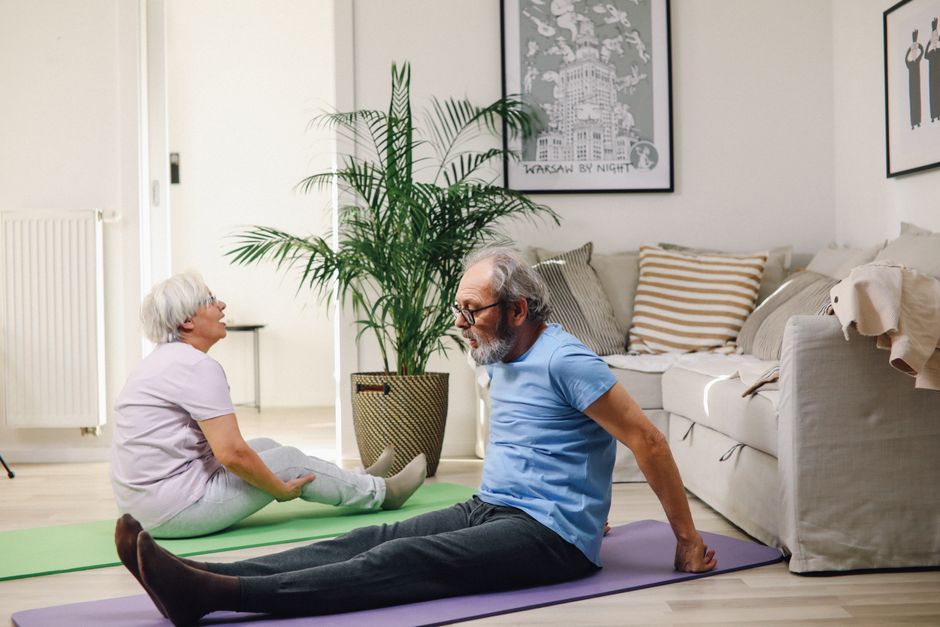
Keeping seniors active doesn’t require expensive equipment or a gym membership. It requires consistency, safety, and choosing activities that fit a person’s current abilities. The most effective approach combines aerobic exercise, strength training, balance work, and flexibility. Start slow, focus on daily movement, and always prioritize safety over intensity.
Why Physical Activity Matters More With Age
Muscle mass naturally declines after age 30. The rate accelerates after 60. This process, called sarcopenia, directly affects mobility and independence.
Regular exercise slows this decline. It also helps manage blood pressure, blood sugar, and cholesterol. Studies consistently show that active older adults have lower rates of heart disease, diabetes, and falls.
Falls are a major concern. One in four Americans aged 65 and older falls each year, according to the Centers for Disease Control and Prevention. Exercise that improves balance and leg strength directly reduces this risk.
There is also a cognitive benefit. Research indicates that regular physical activity is associated with slower cognitive decline. The exact mechanism is still being studied, but improved blood flow to the brain and reduced inflammation likely play a role.
How To Keep Seniors Active Exercise Tips That Work
The key is matching the exercise to the person. A 65-year-old who walks daily has different needs than an 85-year-old recovering from hip surgery. Both benefit from movement, but the plan looks different.
Start with a conversation with the senior’s doctor. This is especially important if they have heart disease, high blood pressure, diabetes, or a history of falls. Ask specifically what activities are off-limits and what heart rate range is safe.
Then focus on four pillars of fitness:
- Aerobic exercise: Walking, swimming, cycling, or dancing. Aim for at least 150 minutes of moderate activity per week, per general guidelines. That breaks down to about 30 minutes, five days a week.
- Strength training: Use light dumbbells, resistance bands, or body weight. Two days per week is the standard recommendation. Target major muscle groups: legs, chest, back, arms, and core.
- Balance exercises: Standing on one foot, heel-to-toe walks, or tai chi. These can be done daily for a few minutes.
- Flexibility work: Gentle stretching or yoga. Hold each stretch for 20-30 seconds. Never bounce.
The most important tip is this: find activities the person actually enjoys. Walking with a neighbor is more sustainable than a treadmill in the basement. A dance class feels like socializing, not exercise. Enjoyment drives consistency, and consistency drives results.
Walking: The Most Accessible Exercise
Walking requires no equipment and no skill. It can be done indoors or outdoors, alone or with company.
For seniors who are new to exercise, start with 10-minute walks. Add five minutes each week. The goal is to reach 30 minutes most days, but any increase from baseline is beneficial.
Proper footwear matters. Shoes should have good arch support and non-slip soles. Replace them every 300-500 miles or when the tread looks worn.
For seniors with balance concerns, a walking stick or poles can help. Nordic walking poles, which engage the arms, also add an upper-body workout. Some research suggests this style of walking burns more calories and reduces strain on the knees.
Consider a pedometer or a simple step counter. The often-cited goal of 10,000 steps per day is not a medical standard. Research shows that significant health benefits appear at far fewer steps. One large study found that women in their 70s who walked about 4,400 steps per day had lower mortality rates than those who walked fewer. Benefits continued to increase up to about 7,500 steps.





Strength Training: The Anti-Aging Exercise
Strength training is the single most effective way to combat age-related muscle loss. It also improves bone density, which reduces fracture risk.
Many seniors avoid weights because they fear injury. The opposite is true. Sedentary living weakens bones and muscles, making injury more likely. Progressive resistance training, done correctly, strengthens the supporting structures around joints.
Start with body-weight exercises. Chair squats, wall push-ups, and seated leg lifts are all safe starting points. When these become easy, add resistance bands or light dumbbells.
A simple routine covers the essentials:
- Chair squats: Sit and stand from a sturdy chair without using hands. Do 10-15 repetitions.
- Wall push-ups: Stand arm’s length from a wall, place hands on the wall, and bend elbows to lean in. Do 10-15 repetitions.
- Seated rows with a band: Sit with legs extended, loop a band around your feet, and pull the band toward your chest. Do 10-15 repetitions.
- Heel raises: Stand holding a chair back for support, rise onto your toes, and lower slowly. Do 10-15 repetitions.
Perform this routine two to three times per week. Rest at least one day between sessions to allow muscle recovery.
Proper form is critical. If a senior has never done strength training, a few sessions with a physical therapist or certified trainer are worth the investment. Many community centers offer senior-specific strength classes.
Balance and Fall Prevention
Balance naturally declines with age. The inner ear, vision, and proprioception (the body’s sense of its position in space) all change over time. Medications can also affect balance, especially blood pressure drugs and sedatives.
Balance training is not optional for seniors. It is essential for independence.
Simple balance exercises include:
- Standing on one foot: Hold onto a counter or chair for support. Lift one foot and hold for 10 seconds. Switch sides.
- Heel-to-toe walk: Walk in a straight line, placing the heel of one foot directly in front of the toes of the other.
- Tai chi: This ancient practice combines slow movements with weight shifting. Multiple studies have found it reduces falls by up to 30% in older adults.
Balance exercises should be done near something sturdy. A counter, a heavy chair, or a wall. Never practice balance in a cluttered area.
If a senior has fallen in the past year, or feels unsteady on their feet, a physical therapy referral is appropriate. A therapist can assess fall risk and design a targeted program.
Overcoming Common Barriers
Seniors face unique obstacles to exercise. Pain, fatigue, fear, and lack of motivation are the most common.
Pain: Arthritis affects more than half of adults over 65. The instinct is to rest, but movement often reduces joint pain. Low-impact options like swimming, water aerobics, and cycling are easier on the joints. Heat packs before exercise and ice packs after can help. If pain is sharp or worsening, stop and consult a doctor.
Fatigue: Some fatigue is normal aging. Persistent fatigue may indicate anemia, thyroid problems, or medication side effects. A doctor should evaluate this. For normal fatigue, short exercise sessions of 10-15 minutes are more manageable than one long session.
Fear: The fear of falling is real and can be paralyzing. It leads to reduced activity, which weakens muscles, which increases fall risk. This is a dangerous cycle. Starting with seated exercises or supervised classes builds confidence gradually.
Motivation: Social connection is a powerful motivator. Walking groups, exercise classes, and workout buddies provide accountability. Scheduling exercise at the same time each day also helps build a habit.
When To See a Doctor First
Most seniors can begin a moderate exercise program safely. But certain symptoms require medical clearance first.
See a doctor before starting if any of these apply:
- Chest pain or pressure with activity
- Shortness of breath with minimal exertion
- Dizziness or fainting spells
- Uncontrolled blood pressure (above 180/110 mmHg)
- Recent heart attack or stroke
- Uncontrolled blood sugar in diabetes
During exercise, stop immediately if the senior experiences chest pain, severe shortness of breath, dizziness, or irregular heartbeat. These symptoms warrant immediate medical attention.
The evidence is clear: the benefits of exercise for seniors far outweigh the risks for most people. A sedentary lifestyle is a greater threat to health than moderate exercise. The goal is not perfection. The goal is to move more than yesterday.
Frequently Asked Questions
How much exercise does a senior need each week?
Aim for at least 150 minutes of moderate aerobic activity weekly, plus two days of strength training. This can be broken into 10-minute sessions if that is easier to manage.
What is the safest exercise for seniors with balance problems?
Seated exercises, water aerobics, and stationary cycling are safe starting points. Balance work should be done near a sturdy support like a counter or chair.
Can seniors build muscle after age 70?
Yes. Research consistently shows that older adults can increase muscle mass and strength with resistance training, even into their 80s and 90s. Starting with light resistance and proper form is key.
How can I motivate an elderly parent to exercise?
Focus on activities they enjoy and make it social. Walking with a friend, joining a senior fitness class, or exercising with a grandchild are often more motivating than exercising alone.
