
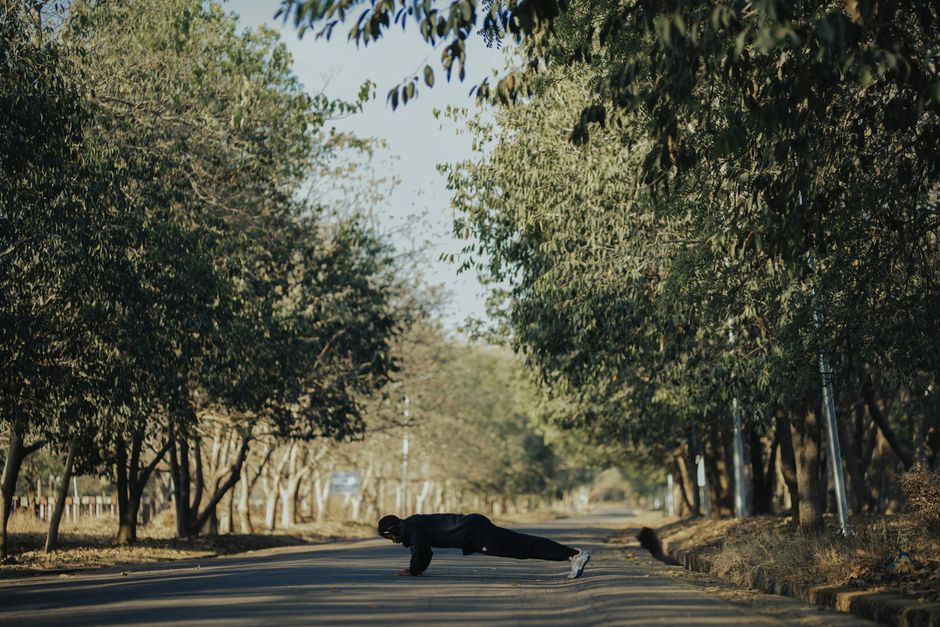
Anaerobic exercise is short, hard effort that your muscles can’t sustain on oxygen alone. You get it by pushing hard enough that talking becomes difficult, then stopping before you’re fully recovered. Four reliable types are heavy strength training, sprint intervals, high-intensity circuit training, and hill or stair work.
That’s the whole answer in one breath. The rest of this article explains why it works, how to program it, and where people go wrong.
What Actually Makes Exercise Anaerobic?
Your body runs on two main energy systems during exercise. The aerobic system uses oxygen to break down fuel and can run for hours. The anaerobic system doesn’t need oxygen. It taps stored fuel in your muscles for fast, powerful bursts, but it runs out quickly.
The anaerobic system has two parts. The first is the phosphagen system, which powers all-out efforts of roughly 10 seconds or less. Think a max deadlift or a 40-yard sprint. The second is glycolysis, which kicks in for efforts lasting about 10 seconds to 2 minutes. Think a 400-meter run or a hard set of 15 kettlebell swings.
Here’s the non-obvious part. Anaerobic training isn’t defined by the exercise you pick. It’s defined by the intensity. You can sprint anaerobically or jog aerobically. The same person on the same bike can be in either system depending on how hard they push.
Two signals tell you you’re there. First, you can’t hold a conversation. Second, your muscles burn and you need to stop within a couple of minutes at most. If you can keep going comfortably for 20 minutes, you’re aerobic, not anaerobic.
How To Get Anaerobic Exercise: 4 Types That Work
These four methods reliably push you into anaerobic territory. Each one is easy to set up and needs minimal equipment.
1. Heavy Strength Training
Lifting weights in the 3 to 8 rep range with a load that’s genuinely hard hits the phosphagen system. A set of heavy squats takes 10 to 30 seconds. That’s squarely anaerobic.
The key is real effort. A set of 15 easy reps with a light dumbbell won’t do it. You need a weight where the last two reps are a struggle. Compound lifts work best: squats, deadlifts, bench press, rows, overhead press.
2. Sprint Intervals
Running, cycling, rowing, or swimming at near-max effort for 10 to 30 seconds, followed by rest, is the classic anaerobic workout. The rest matters as much as the sprint. If you don’t recover enough, you slide into aerobic pacing.
Beginners often do better with cycling or rowing than running. Sprinting on foot loads the hamstrings and calves hard, and injury rates are higher when you’re new to it.
3. High-Intensity Circuit Training
Move through a series of hard exercises with short rest. Burpees, kettlebell swings, box jumps, battle ropes, sled pushes. Each move should take 20 to 60 seconds at high effort.
This method is popular because it needs little space and no heavy equipment. The catch is that circuit training is easy to do at medium effort by accident. If you can finish the round without gasping, push harder or shorten the rest.
4. Hill Sprints and Stair Work
Running uphill or climbing stairs adds resistance, which forces higher muscle output at lower speeds. That makes it slightly gentler on the joints than flat sprinting while still driving you anaerobic. Walk down or rest between efforts.
Stadium stairs, a treadmill incline, or a steep neighborhood hill all work. This is one of the most accessible options if you don’t have gym access.
How Hard Should You Actually Push?
Intensity is the whole game. Without it, none of these four methods deliver anaerobic training.
Use the talk test as your guide. During a hard effort you should be able to say only a word or two, not a sentence. If you can chat, you’re aerobic. If you can sing, you’re barely working.
Another marker is the recovery clock. After a true anaerobic burst, you’ll need noticeably longer to feel ready again than the effort itself took. A 20-second sprint might need a minute or more of rest before you can repeat it at the same quality.
Heart rate gives a rough guide too, but it lags behind short efforts. By the time your heart rate peaks, a 15-second sprint is already over. For short bursts, perceived effort is more useful than a heart rate number.





How Often Should You Do Anaerobic Training?
Two to three sessions per week is a reasonable general target for most healthy adults. That leaves room for recovery, which is when your body actually adapts.
More isn’t better here. Anaerobic work is demanding on the nervous system and muscles. Doing it daily tends to lead to fatigue, stalled progress, and higher injury risk. Most people do better spacing sessions out with at least one easier day between hard efforts.
If you’re new to this kind of training, start with one session per week and build up. Give yourself several weeks before adding a second hard day.
If you have heart disease, uncontrolled high blood pressure, or you’re returning from a long layoff, talk to a doctor before starting high-intensity work. This isn’t a formality. Sudden intense exertion carries real cardiac risk in people with underlying conditions.
What Are the Real Benefits and Limits?
Anaerobic training builds strength, power, and muscle. It also improves your body’s ability to buffer acid in muscles, which is part of why repeated hard efforts get easier over time. These adaptations are well established.
It also improves cardiovascular fitness and, in many people, blood sugar control. Muscle contractions pull glucose out of the blood without needing much insulin, which is one reason exercise helps with glucose management.
Where claims get shaky is weight loss. Anaerobic exercise burns fewer calories per session than long, steady cardio, though it can raise your metabolic rate for a while afterward. The size and practical importance of that afterburn effect is debated. Some studies show a modest bump. Others find it small enough to matter little for weight. Don’t count on it as a weight loss strategy on its own.
Another honest limit: anaerobic training is not a substitute for aerobic exercise. You need both. The aerobic system powers your daily life and long efforts. The anaerobic system powers short, hard ones. A balanced routine includes easy movement most days plus two or three hard sessions per week.
Common Mistakes That Kill Results
Most people who try anaerobic training and see nothing go wrong in the same few ways.
- Not pushing hard enough. Medium effort feels productive but isn’t anaerobic. If you’re not breathing hard, you’re not there.
- Cutting rest too short. Skipping recovery turns a sprint session into a slow jog. Rest fully between efforts.
- Doing too much too soon. Jumping from zero to five hard sessions a week leads to burnout or injury. Build gradually.
- Ignoring warm-up. Cold muscles and max effort don’t mix well. Five to ten minutes of easy movement first lowers injury risk.
- Neglecting sleep and food. Recovery is where the gains happen. Poor sleep undercuts the whole process.
One more: confusing soreness with progress. Being sore doesn’t mean a workout was effective, and not being sore doesn’t mean it wasn’t.
Do You Need Equipment or a Gym?
No. You can get anaerobic exercise with nothing but a hill, a set of stairs, or open ground for sprints and bodyweight circuits. Burpees, jump squats, and sprints need zero gear.
Equipment helps for strength training. A barbell or a few heavy dumbbells lets you load compound lifts properly. But a gym isn’t required to start. Bodyweight versions like pistol squats and single-leg work can get you into the anaerobic zone if you push hard enough.
The limiting factor is almost never equipment. It’s intensity and consistency.
Frequently Asked Questions
How long should an anaerobic workout last?
A full session usually runs 20 to 40 minutes including warm-up and rest. The hard efforts themselves are short, often totaling just a few minutes of true work.
Can beginners do anaerobic exercise?
Yes, but start with one hard session per week and build up slowly. Beginners should pick lower-impact options like cycling or stairs before sprinting on foot.
Is anaerobic exercise better than cardio for fat loss?
No. Long, steady cardio typically burns more calories per session, and the evidence on the afterburn effect from anaerobic work is mixed. Fat loss depends mainly on overall calorie balance.
How do I know if I’m doing anaerobic exercise?
You know you’re there when you can only speak a word or two, your muscles burn, and you need to stop within about two minutes. If you can hold a conversation, you’re aerobic.
