
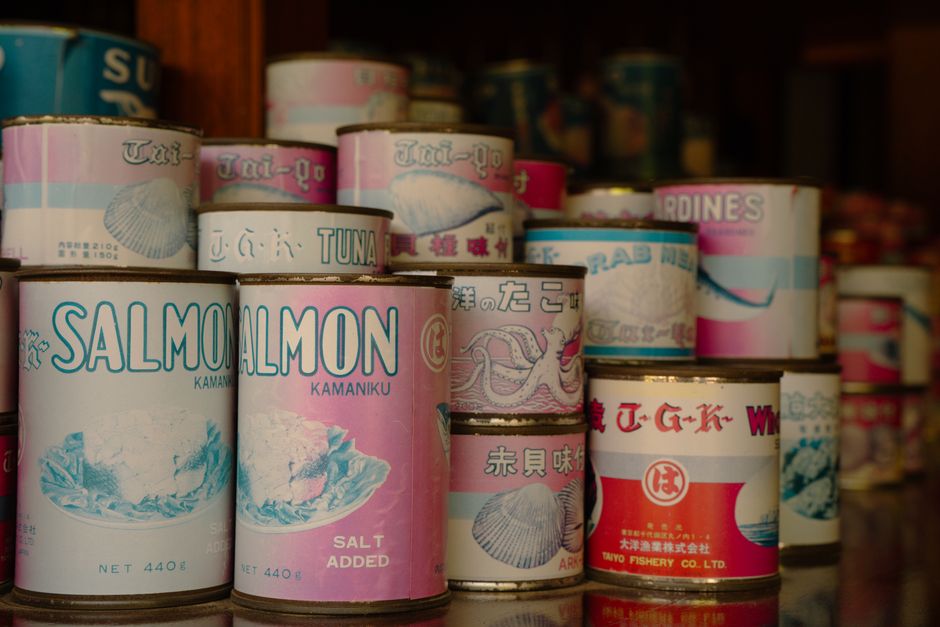
How you store sardines depends entirely on which form you bought them in. Unopened cans keep for years in a cool, dry cupboard. Fresh sardines are highly perishable and belong on ice or in the coldest part of your fridge, ideally used within a day or two of purchase. Frozen sardines should stay in a freezer at 0°F (-18°C) or below and be used within a few months for best quality.
That is the short version. The details matter, though, because sardines are a fatty fish. Fat is what makes them nutritious and also what makes them go rancid faster than lean fish like cod or tilapia. How you handle the can, the fridge, and the freezer changes how long they stay good and how they taste when you finally eat them.
How Should You Store Unopened Canned Sardines?
An unopened can of sardines is one of the most shelf-stable proteins you can keep in a pantry. The canning process seals the fish in a sterile environment, so the contents stay safe for years as long as the can itself is not damaged.
Store unopened cans in a cool, dry place. A cupboard away from the stove, oven, or a sunny window works well. Heat speeds up the chemical reactions that cause fat to turn rancid, and it can also affect texture over long periods. A steady room temperature is better than a spot that swings hot and cold.
Most cans carry a “best by” date rather than an expiration date. That date is about quality, not safety. A can stored properly past its best-by date is usually still safe to eat, but the flavor and texture may have declined. The fat can develop a stale, slightly bitter or “off” taste, and the fish may soften further.
Inspect the can before you open it. A can that is swollen, leaking, deeply dented along a seam, or rusted through should be thrown away. A bulging can is a warning sign of bacterial activity and possible spoilage. Do not taste the contents to check. When in doubt, throw it out.
How Long Do Canned Sardines Last After Opening?
Once you open a can, the clock starts. The protective seal is gone, and the fish is now exposed to air and bacteria, so it needs refrigeration.
Transfer any leftover sardines out of the can and into a covered container. This matters more than many people realize. Once a can is opened, the tin can react with the fish and air, and the metal can leach into the food, which can affect taste. A glass or plastic container with a tight lid is the better choice.
Keep the fish covered in its own oil or liquid if possible, since that limits contact with air. You can also add a little fresh olive oil to keep the exposed surfaces from drying out.
Refrigerated leftovers are best eaten within a few days. The exact window varies, and food safety guidance generally treats opened canned fish as perishable, similar to other cooked or ready-to-eat seafood. If the fish smells sharply fishy, looks discolored, or has a slimy texture, discard it. Use your senses as a final check, but do not rely on smell alone to judge safety.
How Do You Store Fresh Sardines Safely?
Fresh sardines are far more perishable than canned ones. They are small, oily fish, and their fats and enzymes break down quickly after they are caught. This is why sardines are so often canned or frozen in the first place.
Buy fresh sardines only from a source you trust, and look for clear eyes, shiny skin, and a clean, mild smell of the sea rather than a strong fishy odor. Once you get them home, keep them cold and use them fast.
- Keep fresh sardines on ice or in the coldest part of the refrigerator.
- Store them in a sealed container so they do not drip onto other foods.
- Place them on the bottom shelf to prevent cross-contamination.
- Cook or freeze them within one to two days of purchase for best quality and safety.
Fresh fish kept properly in a refrigerator is generally best used within a day or two. If you are not going to cook the sardines right away, freezing them is the safer option. Do not leave fresh sardines sitting at room temperature. Bacteria multiply quickly in the temperature range between roughly 40°F (4°C) and 140°F (60°C), and seafood spends very little safe time in that zone.





How Should You Freeze Sardines?
Freezing is a good way to hold sardines for longer, whether they are fresh or already cooked. The key is to limit air exposure and freeze them quickly.
For fresh sardines, rinse them gently and pat them dry. Wrap them tightly in plastic wrap or place them in a heavy freezer bag, pressing out as much air as you can. Air is what causes freezer burn, the dry, grayish patches that harm texture and flavor even though they are not a safety issue.
You can freeze sardines whole or cleaned and gutted. If you plan to use them in portions, freeze them individually so you can take out only what you need. Lay them on a tray until solid, then move them into a bag or container.
Label the package with the date. For best quality, plan to use frozen sardines within a few months. They remain safe in a freezer kept at 0°F (-18°C) or below for longer than that, but the fat can slowly turn rancid and the texture can suffer. A fatty fish does not hold up in the freezer as long as a lean one.
How do you thaw frozen sardines?
Thaw them in the refrigerator overnight, not on the counter. Slow thawing in the cold keeps them out of the temperature danger zone. If you are in a hurry, place the sealed package in cold water and change the water as needed. Once thawed, cook and eat them promptly, and do not refreeze them unless they were cooked first.
What About Sardines Packed in Oil, Water, or Sauce?
The packing liquid affects both flavor and how long the opened fish keeps. Sardines are commonly packed in olive oil, water, or a sauce like tomato or mustard.
Sardines in oil tend to hold their texture and flavor well, and the oil helps protect the fish from air once the can is open. Sardines in water are lighter and lower in added fat, but they can dry out faster once exposed to air, so covering them well matters more. Sauced sardines carry their own moisture and flavor, and they generally keep about as long as other opened canned fish when refrigerated.
One point worth knowing: the oil or water in the can is not just a packing medium. It often carries some of the fish’s flavor and some nutrients, and many people use it in cooking rather than draining it away. That is a matter of taste, not safety.
| Form | Where to store | How long it stays good |
|---|---|---|
| Unopened can | Cool, dry cupboard | Years; check best-by date and can condition |
| Opened can | Covered container, refrigerator | A few days |
| Fresh sardines | On ice or coldest fridge shelf | One to two days |
| Frozen sardines | Freezer at 0°F (-18°C) or below | A few months for best quality |
What Makes Sardines Spoil, and How Can You Tell?
Sardines spoil for two main reasons, and they are worth separating. One is microbial growth, which is a safety concern. The other is oxidation of the fats, which is mainly a quality concern.
Bacteria and other microbes multiply when fish is left warm or stored too long. This is the reason for refrigeration and for the temperature limits on fresh fish. Oxidation is different. The unsaturated fats in oily fish react with oxygen over time, which produces the stale, rancid smell and taste. Rancid fat is not the same as bacterial spoilage, but both make the fish unpleasant, and rancid fat is a sign the product has degraded.
Signs that sardines should be discarded include:
- A sharp, sour, or ammonia-like smell
- Discoloration or a dull, grayish appearance
- A slimy or sticky surface
- A swollen, leaking, or badly dented can
- An off or bitter taste in the fat
When it comes to food safety, the guiding rule is simple. If you are unsure whether the fish is still good, throw it out. The cost of a can or a portion of fish is not worth the risk of foodborne illness.
Does Storage Affect the Nutrition in Sardines?
Storage has a modest effect on nutrition, and the biggest factor is time and temperature rather than the container itself.
Sardines are known for omega-3 fatty acids, protein, vitamin D, vitamin B12, calcium (especially in cans with soft bones), and selenium. These nutrients are fairly stable in a properly stored can. Over long storage, the fats can oxidize, which reduces quality and can affect the fatty acid content somewhat. High heat speeds this up, which is another reason to keep cans cool.
Once opened, sardines lose quality faster than they lose nutrients. Refrigerating leftovers promptly and eating them within a few days keeps both flavor and nutrition in better shape. Freezing preserves nutrients well, though texture can change after thawing.
Frequently Asked Questions
How long can you keep canned sardines?
Unopened cans stored in a cool, dry place stay safe for years, though quality declines over time. Check the best-by date and inspect the can for swelling, leaks, or deep dents before using it.
Do you have to refrigerate sardines after opening?
Yes. Once a can is opened, transfer the leftovers to a covered container and refrigerate them. Eat them within a few days and discard anything that smells or looks off.
Can you freeze canned sardines?
You can, but the texture often suffers, so it is not usually recommended. If you do freeze them, move them to a freezer-safe container and use them within a few months.
How can you tell if sardines have gone bad?
Look for a sharp or ammonia-like smell, slimy texture, discoloration, or a swollen or leaking can. If you are unsure whether they are still good, throw them out.
