
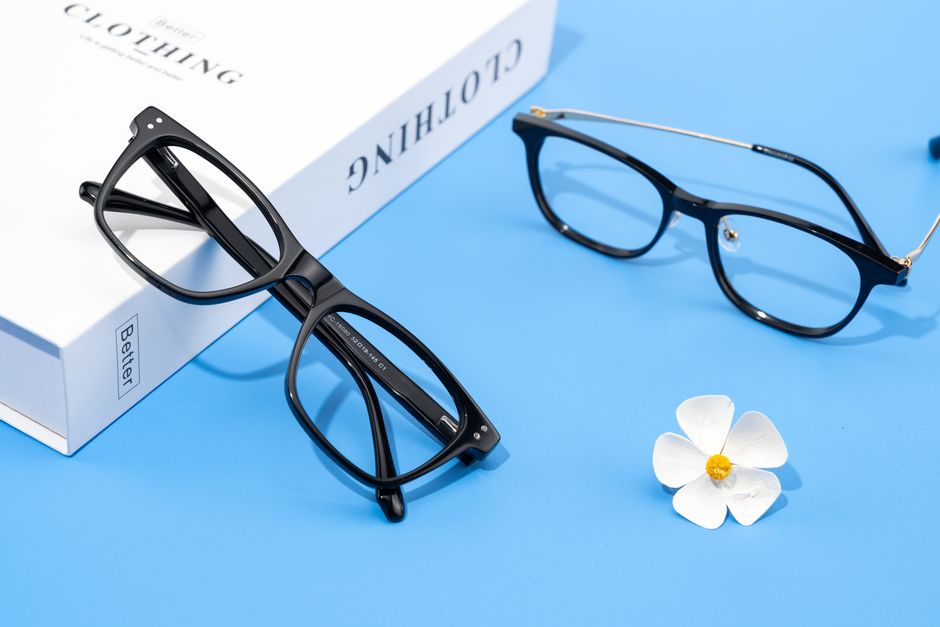
Wearing a mask and glasses at the same time often means dealing with fogged lenses. The fog forms when warm, moist air from your breath escapes from the top of the mask and hits the cooler surface of your glasses. The most effective way to prevent this is to create a tight seal over the bridge of your nose so that exhaled air is directed downward, away from your eyes. You can achieve this by using a mask with a nose wire, adding a simple tissue barrier, or washing your lenses with soap and water.
Why Do Glasses Fog Up When You Wear a Mask?
Fog is just condensation. Your breath is warm and full of moisture. When that moist air hits a cooler surface, like a glass lens, it cools down quickly and turns into tiny water droplets. Those droplets scatter light, which makes the lens look cloudy.
Masks are designed to filter the air you breathe out, but they are not perfectly sealed. The gap between the top edge of the mask and the bridge of your nose is the weak point. Every time you exhale, air takes the path of least resistance. If the mask fits loosely, that path is straight up into your eyes.
This is not just an annoyance. Fogged lenses reduce visibility, which can be dangerous when driving or operating machinery. It is a practical problem with a mechanical solution: block the air from escaping upward.
How To Keep Glasses From Fogging With A Mask: The Core Methods
The goal is a snug fit. The following methods work by either sealing the mask edge or changing the surface of the lens so moisture spreads out instead of beading up.
Use a mask with a nose wire. A bendable metal strip along the top edge allows you to mold the mask to the exact shape of your nose. Pinch the wire firmly around the bridge of your nose after putting the mask on. This closes the largest gap where air escapes.
Try the tissue trick. Fold a facial tissue lengthwise and place it across the bridge of your nose. Then put your mask on over it. The tissue absorbs moisture and helps fill the gap, creating a better seal. This is a low-cost solution that works surprisingly well for many people.
Wash your lenses with soap and water. This is a well-documented technique. Wash your glasses with a mild dish soap, shake off the excess water, and let them air dry or gently pat them dry with a soft cloth. The soap leaves a thin, invisible film that breaks the surface tension of water. Instead of forming droplets, the moisture spreads into a thin, clear layer. Some research suggests this effect lasts for a few hours.
Adjust the mask position. Pull the mask higher up on your nose and let your glasses rest on top of the mask fabric. This pushes the glasses slightly forward, which allows more airflow and reduces the chance of fog forming directly on the lens.
What About Anti-Fog Sprays and Commercial Wipes?
Commercial anti-fog products are available and generally work. Most of them use the same principle as the soap trick: they leave a hydrophilic coating on the lens that prevents water from beading up.
The quality of these products varies. Some are designed for diving masks or ski goggles and are quite effective. Others are less reliable. If you try a spray or wipe, look for one specifically labeled for eyeglasses. Some coatings on modern lenses can be sensitive to certain chemicals, so it is wise to test any new product on a small area of the lens first.
These products are not a substitute for a well-fitted mask. If your mask leaks air at the top, no lens treatment will fully solve the problem. The best results come from combining a good seal with an anti-fog lens treatment.


Choosing the Right Mask to Prevent Fogging
Not all masks are equal when it comes to fog control. The design and material matter.
Nose wires are essential. Masks without a wire across the nose are nearly impossible to seal properly. If your cloth mask lacks a wire, you can insert one yourself through a small slit in the fabric or sew a pocket for it.
Consider the shape. Masks with a contoured or duckbill shape tend to fit the face better than flat rectangular masks. The better the overall fit, the less air escapes from the top.
Fabric matters less than fit. While some fabrics are more breathable than others, the fit is the primary factor in fog prevention. A mask that fits well will direct your breath downward regardless of the material.
Medical-grade masks. Surgical masks and N95 respirators generally have built-in nose wires and are designed for a tighter fit. They tend to cause less fogging than loose-fitting cloth masks.
Do Mask Brackets Help With Fogging?
Mask brackets are plastic or silicone frames that you wear under your mask. They hold the fabric away from your face, creating a space between the mask and your mouth and nose.
These brackets can help with comfort, especially if the mask fabric irritates your skin. Their effect on fogging is less clear. By holding the mask away from your face, they can actually create a larger space for air to collect and escape. Some people report that brackets make fogging worse. Others find that the bracket helps keep the mask in a better position, which reduces leakage.
The evidence here is mostly anecdotal. If you try a mask bracket, pay attention to whether the top edge of the mask still seals against your nose. If it does not, the bracket will not help with fog.
What If You Wear a Mask for Long Periods?
People who wear masks for hours at a time—healthcare workers, teachers, retail staff—face a specific challenge. A soap-and-water lens treatment may wear off after a few hours. A tissue may become damp and less effective over time.
For extended wear, the most reliable approach is a combination of strategies. Start with a well-fitted mask with a nose wire. Use an anti-fog spray or wipe designed for prolonged use. Keep a spare mask and a cleaning cloth with you so you can adjust or replace your mask during breaks.
If you are in a setting where you can step outside or into a private area, removing the mask briefly to adjust the seal can help. Just be sure to wash your hands before touching your mask or your face.
Are There Any Risks With These Methods?
Most of these methods are low-risk, but a few points deserve attention.
Do not use saliva to wet your lenses. This is a common myth and a bad idea. Saliva contains enzymes and bacteria that can damage lens coatings and irritate your eyes.
Be careful with soap. Use a mild dish soap, not a moisturizing hand soap. Moisturizers leave a greasy film on lenses that makes fogging worse. Rinse the lenses thoroughly to remove all soap residue.
Do not use products not meant for eyewear. Household glass cleaners, window sprays, and some automotive products can strip the anti-reflective coating off your lenses. Stick to products labeled for eyeglasses or use the soap-and-water method.
Frequently Asked Questions
Does washing glasses with soap actually stop fogging?
Yes. Washing your glasses with a mild dish soap and letting them air dry leaves a thin film that stops water from forming droplets. The effect typically lasts for a few hours.
What is the best mask to prevent glasses from fogging?
A mask with a bendable nose wire that you can mold to the shape of your nose is the best option. The wire creates a seal that directs your breath downward instead of up toward your glasses.
Do anti-fog sprays damage eyeglass lenses?
Anti-fog sprays made specifically for eyeglasses are generally safe for most lens coatings. Test any new product on a small area of the lens first to be sure it does not cause damage.
Why do my glasses still fog up when I wear a mask?
Fogging happens when warm, moist air escapes from the top of the mask and hits your lenses. If your mask does not fit tightly over the bridge of your nose, air will find a way out and fog your glasses.
