
Nausea is one of the most miserable feelings the body can produce. The urge to vomit can strike anywhere — in the car, at work, or in the middle of the night. The good news is that you can often stop it before it takes over. Simple tactics like slow breathing, cold air, and small sips of fluid can calm the stomach. Knowing what to do in the moment, and what to avoid, makes a real difference. This guide covers practical, evidence-based ways to keep from puking when nausea hits.
What Actually Happens in Your Body When You Feel Sick
Nausea is not a disease. It is a symptom. The brain triggers it through a complex system involving the nervous system, the inner ear, and the digestive tract. The brain’s vomiting center receives signals from multiple areas and decides whether to activate the physical act of throwing up.
Several pathways can trigger this response. The chemoreceptor trigger zone in the brain detects toxins in the blood. The vestibular system in the inner ear detects motion and imbalance. The gastrointestinal tract sends signals when it is irritated, stretched, or inflamed. Even the cerebral cortex can trigger nausea from smells, sights, or memories.
When these signals combine, the body prepares for vomiting. Saliva increases. Heart rate changes. The stomach relaxes while the diaphragm contracts. Understanding this process helps explain why certain remedies work. Some calm the stomach directly. Others interrupt the brain’s signals.
How To Keep From Puking: Immediate Actions That Work
When nausea starts, act fast. The first few minutes matter. These techniques are safe for most people and can be done anywhere.
Control your breathing. Slow, deep breaths activate the parasympathetic nervous system. This is the “rest and digest” state, which opposes the stress response that often accompanies nausea. Breathe in through your nose for four counts. Hold for four counts. Exhale through your mouth for four counts. Repeat for several minutes.
Get fresh air. Stale air, strong odors, and heat can worsen nausea. Move to a cool, well-ventilated area. If you cannot move, open a window or use a fan. Cool air on the face and wrists can also help reset your sensory input.
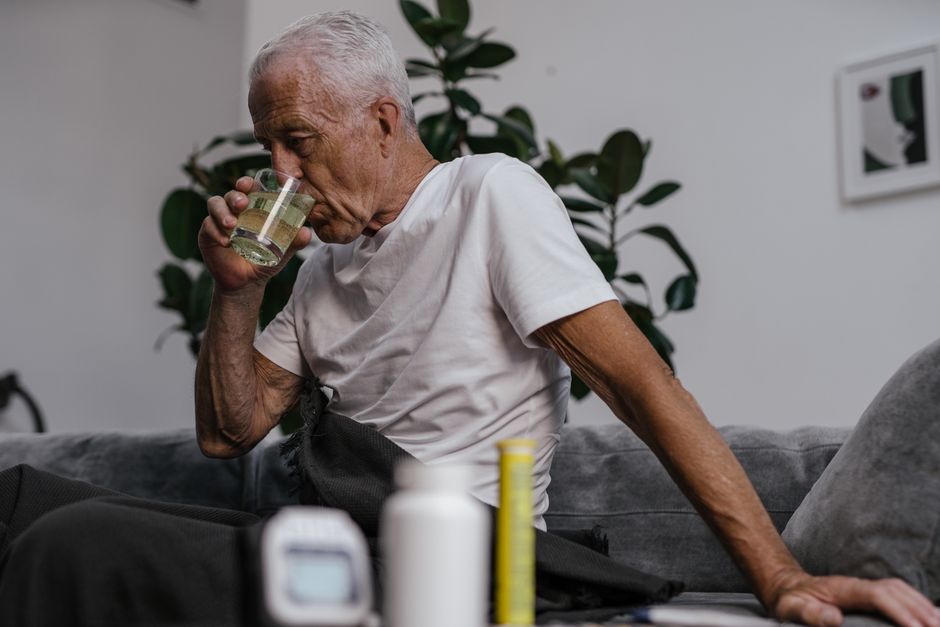
Sip cold fluids slowly. Dehydration makes nausea worse. But gulping water can trigger vomiting. Take small, frequent sips of cold water, clear broth, or an electrolyte drink. A teaspoon every few minutes is a reasonable pace.
Use the wrist pressure point. Acupressure at the P6 point, located about three finger-widths above the wrist crease on the inner arm, has been studied for nausea relief. Some research suggests it helps with motion sickness and postoperative nausea. Press firmly on this spot for several minutes. It is not a guaranteed fix, but it is free and has no side effects.
Foods and Drinks That Calm an Upset Stomach
What you eat during a nausea episode matters. The goal is to give the stomach something light and easy to process. The BRAT diet — bananas, rice, applesauce, and toast — has long been recommended for digestive upset. These foods are bland, low in fiber, and unlikely to irritate the stomach lining.
Ginger is one of the most well-studied natural remedies for nausea. Research published in the Journal of the American Board of Family Medicine found that ginger can reduce nausea severity in pregnancy and after surgery. Ginger tea, ginger ale made with real ginger, or chewing a small piece of candied ginger may help. Some studies suggest ginger works by blocking serotonin receptors in the gut.
Peppermint is another option. Peppermint tea or sucking on a peppermint candy can relax the digestive tract muscles. However, peppermint can worsen heartburn in some people. If you have acid reflux, choose ginger instead.
Avoid dairy, fried foods, spicy foods, and anything with a strong smell. These require more digestive effort and can intensify nausea. Carbonated drinks can also cause bloating and discomfort.





What To Do When Nausea Comes From Motion
Motion sickness happens when your inner ear senses movement that your eyes do not see, or vice versa. The brain receives conflicting signals and responds with nausea. This is why reading in a car makes many people sick, while looking out the window helps.
If you are prone to motion sickness, position matters. Sit in the front seat of a car. On a bus or train, sit facing forward. On a boat, stay on deck and look at the horizon. On a plane, choose a seat over the wings, where motion is least noticeable.
Over-the-counter antihistamines like dimenhydrinate (Dramamine) are effective for motion sickness. They work best when taken before symptoms start. Once nausea is severe, oral medication may not stay down. Some people find that acupressure bands help, though the evidence is mixed.
If you cannot take medication, focus on sensory grounding. Fix your eyes on a stable point in the distance. Keep your head still. Avoid screens and reading material.
Home Remedies That Are Backed by Evidence
Several home remedies have real research behind them. Others are popular but lack solid proof. Knowing the difference helps you choose wisely.
Cold compresses on the back of the neck or forehead can reduce the sensation of heat and discomfort that often accompanies nausea. This is a simple sensory distraction with no known risks.
Aromatherapy with lemon. Some studies suggest that inhaling lemon essential oil reduces nausea in pregnancy and after surgery. The mechanism is not fully understood, but the scent may influence the brain’s nausea pathways. If you try this, use a small amount on a tissue. Do not ingest essential oils.
Small amounts of salty crackers can absorb stomach acid and settle the stomach. Saltine crackers are a classic choice for morning sickness and hangovers. Eat one or two slowly, chewing thoroughly before swallowing.
What does not have strong evidence? Ginger ale from the grocery store often contains little or no real ginger. The sugar and carbonation can actually make nausea worse. Check the label for real ginger content if you are relying on this remedy.
When Nausea Is a Sign of Something More Serious
Most nausea passes on its own or with simple interventions. But sometimes it signals a medical emergency. Knowing when to seek help is essential.
Seek immediate medical care if nausea is accompanied by:
- Chest pain or pressure
- Severe abdominal pain
- Confusion or difficulty speaking
- High fever above 101°F (38.3°C)
- Signs of dehydration, such as dark urine, dizziness, or dry mouth
- Vomiting blood or what looks like coffee grounds
- Stiff neck or severe headache
In pregnancy, nausea and vomiting are common, especially in the first trimester. But if vomiting is severe and prevents keeping down any fluids, it may be hyperemesis gravidarum. This condition requires medical treatment. Do not wait to seek help if you cannot keep water down for more than 24 hours.
In children, dehydration can develop quickly. Watch for fewer wet diapers, no tears when crying, or unusual sleepiness. These are signs that a child needs medical attention.
Medications That Can Stop Nausea
Over-the-counter options exist for nausea, but they are not all the same. Antihistamines like dimenhydrinate and meclizine are effective for motion sickness. They work by blocking histamine receptors in the vestibular system. Both can cause drowsiness, so use caution when driving or operating machinery.
Bismuth subsalicylate (Pepto-Bismol) can help with nausea related to indigestion or traveler’s diarrhea. It works by coating the stomach lining and reducing inflammation. Do not give this to children or teenagers recovering from a viral illness, as it carries a risk of Reye’s syndrome.
Prescription antiemetics exist for more severe cases. Ondansetron (Zofran) is commonly used for chemotherapy-related and postoperative nausea. It is also prescribed for severe pregnancy nausea, though it requires a doctor’s approval and discussion of risks.
Never take prescription nausea medication that was not prescribed for you. These drugs have side effects and interactions that a healthcare provider must evaluate.
Preventing Nausea Before It Starts
Prevention is easier than treatment. If you know you are prone to nausea in certain situations, plan ahead.
For motion sickness, take preventive medication 30 to 60 minutes before travel. Avoid heavy meals before trips. Eat a light snack instead — an empty stomach can make nausea worse.
For hangover-related nausea, hydration is key. Alcohol dehydrates the body and irritates the stomach lining. Drinking water between alcoholic beverages and eating before drinking can reduce the severity of next-day nausea.
For nausea triggered by stress or anxiety, relaxation techniques can help. Progressive muscle relaxation, guided imagery, and mindfulness meditation have all been shown to reduce nausea in people with anxiety-related digestive symptoms.
If you experience nausea after taking medication, talk to your doctor. Some medications are better absorbed with food. Others have alternatives that are easier on the stomach. Do not stop a prescribed medication without medical guidance.
Frequently Asked Questions
What is the fastest way to stop nausea?
Slow, deep breathing combined with cool fresh air is the fastest non-medication approach. If you have motion sickness medication available, take it as soon as symptoms start.
Does drinking water help when you feel like throwing up?
Yes, but only in small sips. Drinking too much water at once can trigger vomiting. Take tiny sips every few minutes to stay hydrated without overwhelming the stomach.
Is ginger actually effective for nausea?
Yes, ginger has consistent research support for reducing nausea in pregnancy, motion sickness, and post-surgery recovery. Ginger tea or real ginger candy works better than most commercial ginger ales.
When should I go to the hospital for nausea?
Go to the emergency room if nausea comes with chest pain, severe abdominal pain, confusion, high fever, or signs of dehydration that do not improve. If you cannot keep down fluids for more than 24 hours, seek medical care.
