
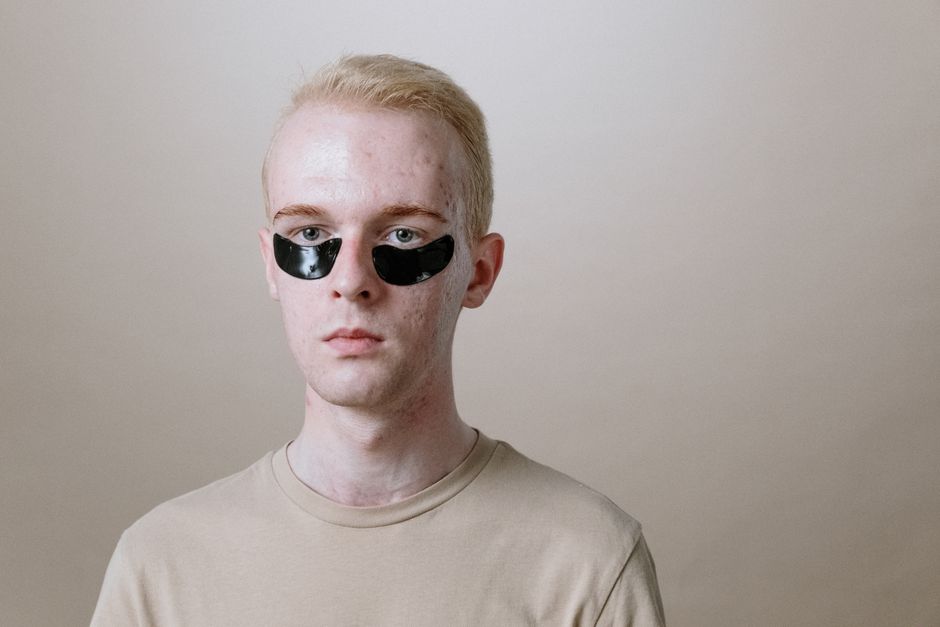
Pimples in the mustache area are incredibly common, and they keep coming back for a few specific reasons. The skin there is thin, it produces a lot of oil, and it is constantly rubbed by masks, food, and your own hands. Most of the time, these are not random breakouts—they are the result of predictable friction, hair follicle irritation, and bacterial overgrowth that you can actually address.
Why Do I Keep Getting Pimples On My Mustache Area?
Recurring pimples in this exact spot usually come down to one of three things: ingrown hairs, folliculitis, or acne caused by pore blockage. The upper lip has a high density of sebaceous glands, which produce oil. That oil mixes with dead skin cells and gets trapped in the follicle. When you add friction from food, napkins, or a face mask, the trapped material inflames and becomes a pimple.
If you shave or trim your mustache, ingrown hairs are a major culprit. A hair that curls back into the skin creates a red, tender bump that looks exactly like a pimple but is actually a different problem. Treating it like acne with salicylic acid will not work as well as treating it like a hair issue.
What Is the Difference Between Acne and Folliculitis Here?
Acne happens when the pore opening becomes blocked with oil and dead skin. Bacteria that normally live on the skin, particularly Cutibacterium acnes, multiply inside the blocked pore and trigger inflammation. The result is a whitehead, blackhead, or tender red bump.
Folliculitis is inflammation of the hair follicle itself. It is often caused by Staphylococcus aureus bacteria or by a yeast called Malassezia. The bumps look similar to acne but are often smaller, more uniform, and sometimes itch. They are also more likely to appear right after shaving or waxing. Knowing which one you have matters because the treatments differ. Acne responds to salicylic acid or benzoyl peroxide. Folliculitis often responds better to antibacterial washes or, in stubborn cases, a prescription topical antibiotic.
Why Does Shaving Make It Worse?
Shaving creates micro-cuts in the skin. Those tiny cuts are entry points for bacteria. A dull razor pulls and tugs at the hair instead of cutting it cleanly, which increases irritation. Shaving against the grain cuts the hair below the skin surface, allowing it to grow back inward and form an ingrown hair.
If you shave daily, you never give the skin time to recover. The constant trauma keeps the area inflamed. Many people also apply heavy shaving creams that leave a residue, which can clog pores further. Switching to a sharp, single-blade razor and shaving in the direction of hair growth reduces both irritation and ingrown hairs. Some dermatologists also recommend using a warm compress before shaving to soften the hair and open the follicle.



Can Face Masks Cause These Pimples?
Yes. The term “maskne” became common during the COVID-19 pandemic, but the mechanism was known long before. A mask traps heat, moisture, and oil against the skin. That environment allows bacteria to multiply faster. The friction of the mask fabric against the upper lip area is a direct physical irritant.
If you wear a mask for long periods, the solution is not to stop wearing it. Instead, change the mask regularly, especially if it becomes damp. Use a clean cotton mask if possible, and wash your face gently after prolonged wear. A lightweight, non-comedogenic moisturizer can also act as a barrier between your skin and the fabric.
What Skincare Ingredients Actually Help?
Benzoyl peroxide is the most well-studied over-the-counter treatment for inflammatory acne. It kills the bacteria that contribute to pimples and helps clear blocked pores. A 2.5% or 5% gel applied to the affected area once daily is a reasonable starting point. It can cause dryness and peeling, so start with a lower concentration and use it only on the affected area.
Salicylic acid is a beta-hydroxy acid that penetrates oil and exfoliates inside the pore. It is better for blackheads and whiteheads than for deep, painful bumps. A 2% salicylic acid cleanser or toner used once daily can help prevent new blockages.
Adapalene 0.1% is available over the counter and is a retinoid. It normalizes how skin cells shed, which prevents pores from clogging in the first place. It takes eight to twelve weeks to see full results, and it can cause initial purging. It is effective but requires patience and consistent use.
One ingredient to avoid is heavy, occlusive balms or petroleum-based products on this area. They trap oil and worsen the problem. Also avoid scrubbing the area aggressively. Physical exfoliation on active pimples makes inflammation worse and increases the risk of scarring.
When Should You See a Dermatologist?
If you have tried over-the-counter treatments consistently for six to eight weeks and the pimples are not improving, see a dermatologist. Also seek medical advice if the bumps are painful, filled with pus, or leaving dark marks or scars. Recurrent boils or deep, cyst-like bumps may indicate a bacterial infection that needs prescription treatment.
A dermatologist can prescribe a topical antibiotic like clindamycin, an oral antibiotic for more severe cases, or a stronger retinoid like tretinoin. They can also determine if the issue is actually a condition called perioral dermatitis, which looks similar but requires different treatment. Perioral dermatitis often involves small red bumps around the mouth that can spread to the nose area. It is frequently triggered by steroid creams or heavy moisturizers and does not respond to standard acne treatments.
Are There Any Habits That Make It Worse Without You Knowing?
Touching your face is a major one. Your hands carry bacteria, oil, and dirt. Resting your chin on your hand, picking at a pimple, or rubbing the area while thinking all transfer bacteria directly to the follicle. Picking also damages the skin barrier and increases the chance of a scar.
Another overlooked habit is the toothpaste you use. Toothpaste that drips onto the upper lip while brushing can irritate the skin. Some toothpaste ingredients, like sodium lauryl sulfate, can cause a contact reaction that looks like pimples. Rinsing your mouth thoroughly after brushing and wiping your lips clean can help.
Diet is a factor for some people, but the evidence is not strong enough to make universal recommendations. Some studies suggest that high-glycemic foods and dairy may worsen acne in certain individuals, but the effect varies widely. If you notice a clear pattern between a specific food and your breakouts, it is reasonable to test eliminating it for a few weeks. But do not expect diet alone to clear the area.
How Long Does It Take to See Improvement?
With consistent use of an appropriate treatment, most people see noticeable improvement in four to six weeks. Full clearing of the area can take eight to twelve weeks. If you are treating ingrown hairs, the timeline is similar, but the approach is different. Exfoliating gently with a product containing salicylic acid and using a warm compress can help release the trapped hair.
Do not expect overnight results. Skin cell turnover takes about 28 days, and it takes several cycles to clear deeply blocked pores. Consistency matters more than intensity. Using too many products at once will irritate the skin and make the problem worse.
Frequently Asked Questions
Can toothpaste get rid of a mustache pimple?
No. Toothpaste can irritate the skin and make the pimple more inflamed. Stick to benzoyl peroxide or salicylic acid instead.
Is it safe to pop a pimple on my mustache area?
Popping any pimple increases the risk of infection and scarring. The area around the nose and upper lip is particularly sensitive, so it is best to avoid popping and let the pimple resolve on its own.
Does shaving more often prevent mustache pimples?
Shaving more often usually makes it worse. Shaving irritates the follicle and can cause ingrown hairs. Shave less frequently and use a sharp razor in the direction of hair growth.
Are mustache pimples a sign of a hormonal problem?
Occasional pimples are normal, but frequent, deep breakouts in adult men or women can be linked to hormonal fluctuations. If you have other symptoms like irregular periods or excessive hair growth, talk to a doctor.
