
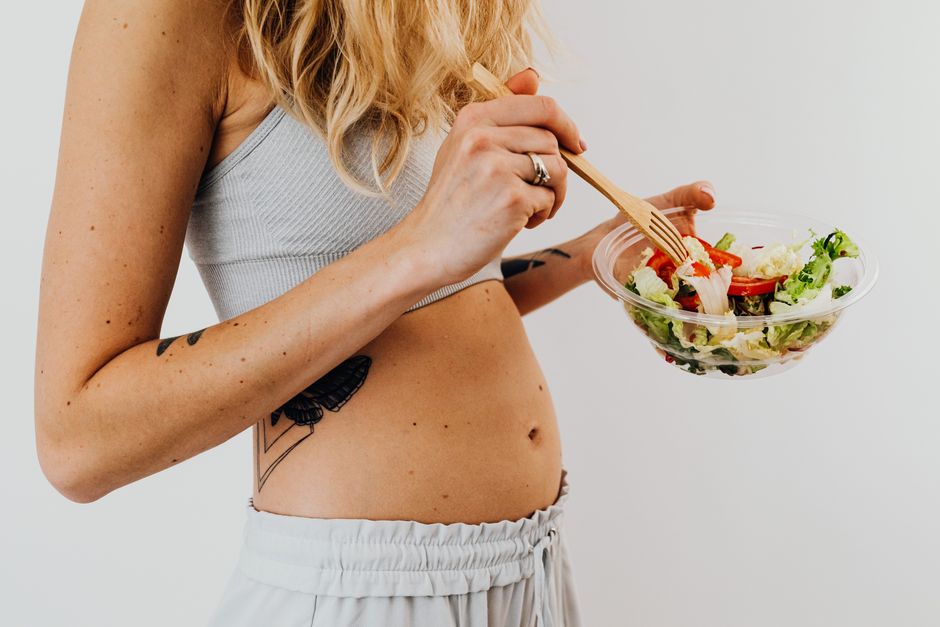
Yes, food slows down alcohol absorption. But it does not prevent intoxication or eliminate alcohol from your system. Food delays how quickly alcohol enters your bloodstream, which can reduce the peak blood alcohol concentration (BAC) and give your liver more time to process it. However, once alcohol is absorbed, food does not lower your BAC or sober you up.
How Does Food Affect Alcohol Absorption?
Alcohol is absorbed through the lining of your stomach and small intestine. When you eat, food sits in your stomach and slows the rate at which the stomach empties its contents into the small intestine. Since most alcohol absorption happens in the small intestine, delaying stomach emptying buys your body more time to metabolize some alcohol before it reaches the bloodstream.
The stomach itself can absorb a small amount of alcohol, and the enzyme alcohol dehydrogenase in your stomach lining breaks down some alcohol before it gets into your blood. This is called first-pass metabolism. Food increases this effect by prolonging the contact time between alcohol and the stomach’s enzyme activity. But the overall impact on total alcohol absorbed is limited — you still absorb the vast majority.
Does the Type of Food Matter?
Any food in your stomach slows alcohol absorption compared to drinking on an empty stomach. Foods high in fat take longer to digest, so they delay stomach emptying more than carbohydrates or protein alone. A fatty meal can produce a more gradual rise in BAC than a carbohydrate-heavy meal.
Protein also slows absorption because it requires time to break down. But the difference between food types is small in practice. What matters most is having a substantial meal — not a handful of crackers — before drinking. No specific food or beverage, like milk or olive oil, has been shown to meaningfully lower BAC beyond what a regular meal does.
Can Eating Before Drinking Prevent Intoxication?
No. Eating before drinking can lower your peak BAC by about 20–30% compared to drinking on an empty stomach, but it does not prevent intoxication. If you drink enough alcohol, your BAC will still reach levels that impair judgment, coordination, and reaction time.
A dangerous misconception is that a full stomach makes it safe to drink more. In fact, the delayed effect can lead people to feel less drunk than they actually are, causing them to drink faster and end up more intoxicated than if they had eaten nothing. The signal of impairment is blunted, not eliminated.

How Long After Eating Should You Drink?
There is no exact guideline that applies to everyone, but eating a meal about 30 to 60 minutes before drinking gives your stomach time to begin digesting. If you drink immediately after a large meal, alcohol mixes with the food and absorption is still slowed. The key is to have food in your stomach before the first drink — not during or after.
Drinking two hours after a light meal offers less protection than drinking right after a full meal, because much of the food has already moved into the small intestine. For maximum slowing effect, keep food in your stomach while you drink, but remember this only delays absorption, not prevents intoxication.
Does Food Help Once You’ve Started Drinking?
Yes, eating while drinking can still slow further absorption, but it is less effective than eating beforehand. Once alcohol has already entered your bloodstream, food cannot remove it. Eating during a drinking session will slow the rate at which additional alcohol enters your system, but the alcohol already in your blood remains and will be processed at a steady rate by your liver — roughly one standard drink per hour for most people.
Snacking on protein or fat while drinking may help you pace yourself and reduce how quickly you feel the effects of each additional drink. But it does not lower your current BAC or speed up sobriety. Only time can do that.
Does Food Affect Breathalyzer Results?
Food can interfere with a breathalyzer reading if it is still in your mouth. Alcohol trapped in food particles or in the mouth itself can cause a falsely high reading if the breath test is taken immediately after eating or drinking. Standard breathalyzer protocols require a 15-to-20-minute observation period without eating, drinking, or smoking to avoid this type of mouth alcohol contamination.
However, food in your stomach has no significant effect on a properly administered breath test that measures deep-lung air. Because food only delays absorption, the same total amount of alcohol eventually reaches your blood, and your BAC at that point determines the breathalyzer result. Eating does not lower BAC after alcohol is fully absorbed.
Frequently Asked Questions
What is the best thing to eat before drinking alcohol?
A balanced meal containing protein, fat, and carbohydrates is best. Foods like eggs, oatmeal, avocado, or a sandwich with chicken or cheese help slow alcohol absorption more than a light snack alone.
Does eating after drinking help you sober up faster?
No. Eating after drinking does not reduce your blood alcohol concentration. Only time allows your liver to process alcohol — at about one drink per hour regardless of food intake.
Will drinking milk before alcohol prevent a hangover?
Milk may coat your stomach and slightly slow absorption, but it does not prevent hangovers. Hangovers are caused by several factors including dehydration, inflammation, and toxic byproducts — none of which milk counteracts meaningfully.
How much does food lower your BAC?
A heavy meal before drinking can reduce peak blood alcohol concentration by about 20 to 30 percent compared to drinking on an empty stomach. The exact amount depends on the meal size, timing, and individual metabolism.
