
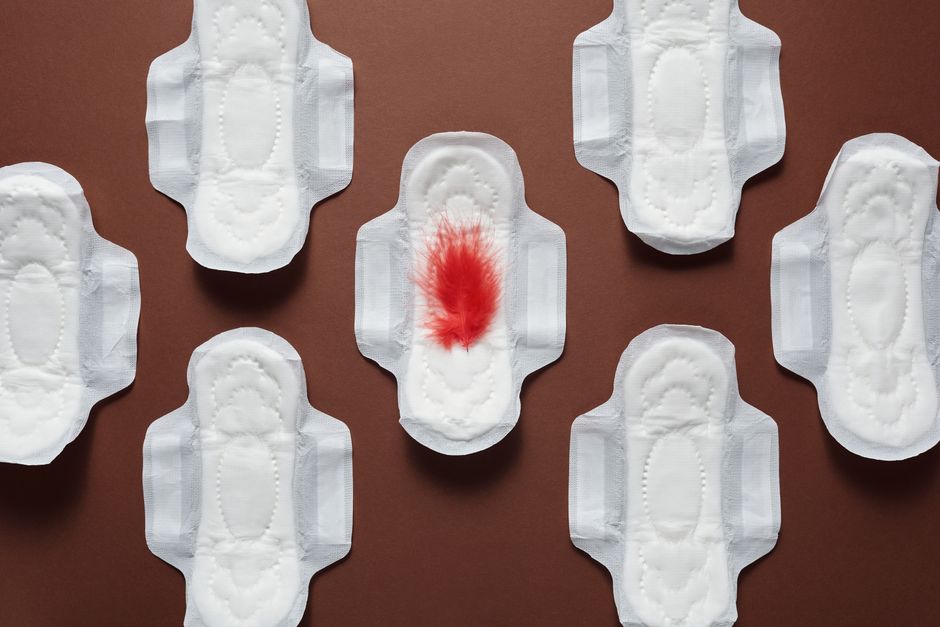
Brown discharge is usually old blood leaving your body slowly, and in most cases it is completely normal. It commonly appears at the start or end of your period, during ovulation, or when you first start a new birth control method. You should worry if the brown discharge is accompanied by a foul odor, pelvic pain, fever, or if you might be pregnant and the discharge appears with cramping.
Why Is My Discharge Brown Instead of Red?
The color change comes down to time and oxygen. When blood leaves your body quickly, it looks bright red. When it takes longer to exit, the blood oxidizes and turns brown. Think of it like a cut that scabs over — old blood darkens as it dries.
Brown discharge is simply slower-moving blood. The medical term for this is old blood, and it is rarely a cause for alarm on its own. The texture can range from watery to thick and pasty, depending on where the blood is coming from and how long it has been sitting.
What Are the Normal Causes of Brown Discharge?
Several routine life stages and cycle events produce brown discharge. Understanding these helps you recognize when your body is doing exactly what it should be doing.
Your period starting or ending. The first and last days of menstruation often produce brown discharge because the flow is light and slow. This is the most common cause and requires no concern.
Ovulation. Some women notice light brown spotting mid-cycle when an egg is released. This happens because the follicle ruptures and causes a small amount of bleeding. It is brief and usually lasts less than a day.
Hormonal birth control. Starting a new pill, patch, or ring can cause breakthrough bleeding for the first few months. The same applies to hormonal IUDs. Your uterus is adjusting to a new hormone level, and light brown spotting is a common adjustment symptom.
Implantation bleeding. If a fertilized egg attaches to the uterine lining, you may see light brown or pink spotting about 6 to 12 days after conception. This is usually a few drops, not a flow, and lasts one to two days.
Perimenopause. As you approach menopause, hormone levels fluctuate unpredictably. This can cause irregular cycles and brown discharge between periods. It is normal during this transition, though any significant change in bleeding patterns deserves a medical check.
When Should I Worry About Brown Discharge?
Brown discharge becomes a concern when it comes with other symptoms. The discharge itself is rarely the problem — what it signals can be.
Seek medical attention if you have brown discharge along with any of the following:
- Foul or fishy odor, which may indicate an infection
- Pelvic pain or cramping that is not your normal menstrual pain
- Fever
- Itching or burning in the vaginal area
- Heavy bleeding that soaks through a pad or tampon every hour
- Brown discharge lasting more than a few days outside your normal cycle pattern
If you are pregnant, any brown discharge with cramping or back pain warrants an immediate call to your doctor. Ectopic pregnancy is a medical emergency, and while brown discharge alone does not mean you have one, the combination of symptoms should never be ignored.





What Medical Conditions Can Cause Brown Discharge?
Several conditions produce brown discharge as a symptom. None of them should be self-diagnosed, but knowing what they are helps you have a better conversation with your doctor.
Uterine fibroids. These non-cancerous growths in the uterus can cause abnormal bleeding between periods. The bleeding may appear as brown discharge, especially if it is light and slow.
Polyps. Small growths on the cervix or inside the uterus can bleed between periods. Cervical polyps are common and usually benign, but they should be evaluated.
Pelvic inflammatory disease (PID). This infection of the reproductive organs often causes abnormal discharge with an odor and pelvic pain. It requires antibiotic treatment.
Sexually transmitted infections. Chlamydia and gonorrhea can cause unusual discharge, though it is more often yellow or green than brown. Any change in discharge after new sexual contact should be tested.
Endometriosis. This condition causes uterine-like tissue to grow outside the uterus. It frequently causes heavy, painful periods and spotting between cycles.
Cervical cancer or endometrial cancer. Abnormal bleeding is a warning sign for these cancers. Brown discharge between periods, after sex, or after menopause can be an early symptom. Postmenopausal brown discharge should always be evaluated by a doctor.
Is Brown Discharge a Sign of Pregnancy?
It can be, but it is not a reliable pregnancy test. Implantation bleeding is one possible cause of brown discharge, but many other factors produce the same symptom.
If you experience brown discharge around the time your period is due and you have had unprotected sex, take a pregnancy test. A home test is accurate about two weeks after ovulation. If the test is positive, schedule a prenatal appointment. If the test is negative but your period does not arrive, test again in a few days.
How Is Brown Discharge Treated?
Treatment depends entirely on the cause. For normal cycle-related discharge, no treatment is needed. Your body is handling old blood the way it should.
If an infection is causing the discharge, your doctor will prescribe antibiotics or antifungal medication. Bacterial vaginosis, trichomoniasis, and yeast infections each have specific treatments. Do not use over-the-counter yeast infection treatments unless you are certain you have a yeast infection — treating the wrong condition can make things worse.
For fibroids or polyps, treatment options range from monitoring to surgery, depending on size, symptoms, and your family planning goals. Hormonal conditions may be managed with birth control or other hormone therapy.
No over-the-counter product treats brown discharge. Douching is not recommended by medical professionals because it disrupts the natural balance of bacteria in the vagina and can make infections worse.
What Does Brown Discharge After Menopause Mean?
Any bleeding after menopause is unusual and deserves medical evaluation. Menopause is defined as having no period for 12 consecutive months. Bleeding after that point is not normal.
Brown discharge after menopause can be caused by vaginal atrophy, which is thinning and drying of the vaginal walls due to low estrogen. It can also be a sign of polyps, fibroids, or in some cases, cancer. Your doctor may recommend an ultrasound or biopsy to determine the cause.
Do not wait to see if it resolves on its own. Postmenopausal bleeding should be evaluated promptly.
How Can I Track My Discharge to Spot Problems?
Tracking your cycle and discharge patterns helps you notice changes early. You do not need a special app — a simple calendar works.
Note the day your period starts and ends, any spotting between periods, the color and texture of discharge, and any accompanying symptoms like pain or odor. After two or three months, you will have a clear picture of your personal normal.
Your “normal” is the baseline for comparison. A single unusual episode that resolves quickly is rarely concerning. A pattern of changes over several cycles is worth discussing with your doctor.
When Should I See a Doctor?
Make an appointment if you notice any of the following:
- Brown discharge after menopause
- Discharge with a strong or foul odor
- Discharge accompanied by pelvic pain, fever, or chills
- Bleeding between periods that lasts more than a few days
- Bleeding after sex
- Heavier periods than usual or periods lasting longer than seven days
- Any change in discharge that feels unusual for your body
Your doctor will ask about your cycle, sexual activity, birth control, and any other symptoms. They may perform a pelvic exam, take a swab for testing, or order an ultrasound. These tests are routine and quick.
Frequently Asked Questions
Can stress cause brown discharge?
Yes, stress can affect your hormone levels and lead to spotting or brown discharge.
Stress is not a direct cause, but it can delay ovulation or disrupt your cycle, which results in irregular bleeding patterns.
How long does brown discharge last before a period?
It typically lasts one to two days before your period starts.
This is just the beginning of your menstrual flow moving slowly, and it is normal.
Is brown discharge a sign of an STD?
Some sexually transmitted infections can cause brown discharge, but it is not the most common symptom.
If you have other symptoms like odor, pain, or itching, or if you have had unprotected sex, get tested.
Can brown discharge mean I am pregnant?
It can, because implantation bleeding may appear as light brown discharge.
However, it is not a reliable sign of pregnancy — take a home test for confirmation.
