
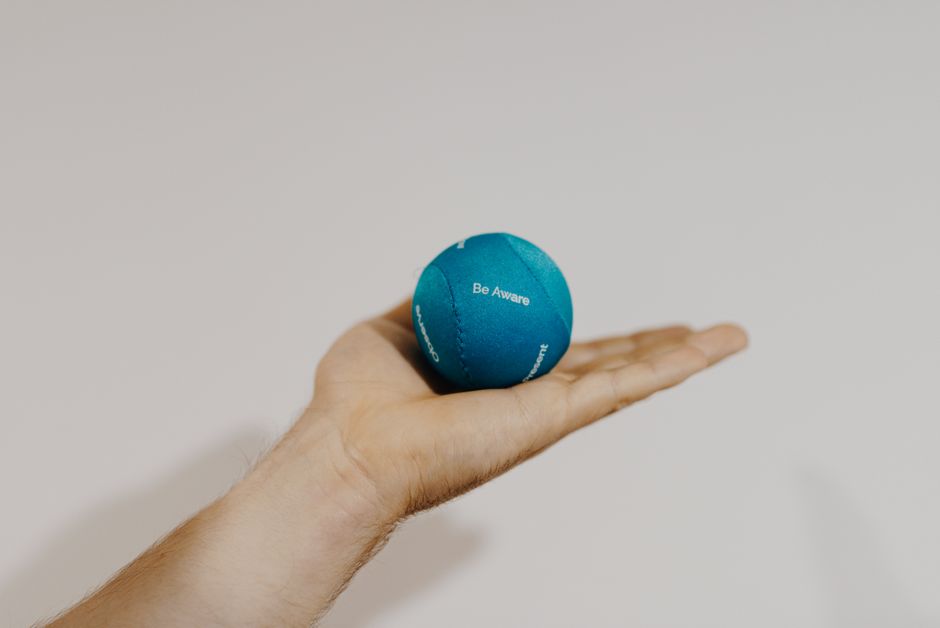
Juggling three balls looks impressive, but it is a skill built on simple, repeatable steps. You do not need natural talent or years of practice to start. You need the right technique and a patient approach. This guide breaks down the process into clear beginner steps and drills. Follow the order and practice a little each day. You will see steady progress faster than you expect.
What Is The Best Way To Learn Juggling?
The best way to learn is to start with one ball, not three. Most beginners grab three balls immediately and end up chasing them across the room. That approach teaches frustration, not juggling.
Juggling is a sequence of tosses and catches. Your brain needs to learn each part separately before it can put them together. The one-ball and two-ball drills below build the muscle memory you need. Each drill has a clear goal. Master it before moving on.
Plan to practice in short sessions. Ten to fifteen minutes a day works better than an hour once a week. Your brain consolidates motor skills during rest and sleep. Daily short practice builds the neural pathways faster than occasional long sessions.
What Equipment Do You Need To Start?
You need three balls of similar size and weight. Beanbags are the best choice for beginners. They do not roll away when dropped, which saves you time and energy. They also have a soft, stable feel that is easier to catch than a hard ball.
Tennis balls work fine if you do not want to buy anything. The main downside is they roll under furniture. Some beginners use slightly heavier balls, about the size of a tennis ball but with more weight. Heavier balls move more predictably and are easier to feel in your hand. Avoid balls that are too large or too small. A ball that fits comfortably in one hand is ideal.
Stand on a hard floor or tile surface if possible. Carpet makes dropped balls harder to see and slows their roll. A wall in front of you can help at first because it stops balls from flying forward, but you should not rely on it long-term.
Step 1: Master The Single Ball Toss
Start with one ball in your dominant hand. Your palm faces up. Your elbow is bent at about 90 degrees and stays close to your body. Do not move your upper arm. The motion comes from your forearm and wrist.
Toss the ball to about eye level or slightly above. It should travel in a gentle arc toward your other hand. The peak of the toss should be around your eyeline, not higher. The ball should land in your other hand, which is waiting palm-up at waist level.
Here is the key detail most beginners miss: the toss is an arc, not a straight line. You are not throwing the ball across your body. You are tossing it upward and slightly inward. The ball should peak near the center of your body and drop into your other hand.
Practice this until you can toss and catch smoothly ten times in a row without moving your feet. This is your first milestone. Do not rush past it.





Step 2: Practice The Exchange Pattern
Now you move to two balls. Hold one ball in each hand. Toss the ball from your dominant hand in the same arc you practiced. As that ball peaks, toss the ball from your other hand in a matching arc. Catch the first ball, then catch the second.
This is called the exchange pattern. It is the foundation of all juggling. The two tosses happen one after the other, not at the same time. The rhythm is toss, toss, catch, catch.
Most beginners make the same mistake here. They toss the second ball too early or too late. The second toss should happen as the first ball reaches its peak. If you toss the second ball too soon, both balls collide mid-air. If you toss it too late, you have to rush to catch.
Practice this exchange until you can complete ten clean exchanges in a row. A clean exchange means no collisions, no reaching, and no stepping forward to catch. Your feet stay planted.
Step 3: The Three Ball Cascade
The cascade is the standard three-ball pattern. It looks like a figure-eight flowing through the air. Each ball follows the same path, just at different times.
Start with two balls in your dominant hand and one in your other hand. Hold the two balls in your dominant hand as if you are holding a sandwich. One ball sits in your palm, the other rests against your fingers.
Toss the first ball from your dominant hand. As it peaks, toss the ball from your other hand. As that second ball peaks, toss the third ball from your dominant hand. Then catch the first ball, the second, and the third.
The rhythm is toss, toss, toss, catch, catch, catch. It feels strange at first because your hands are always moving. Your dominant hand tosses, then catches, then tosses again. Your non-dominant hand does the same, just shifted in time.
Do not try to catch all three balls at first. Just focus on making three clean tosses. Let the balls drop if you have to. Your goal is the throwing rhythm, not the catches. Once the tosses feel consistent, add the catches one at a time.
How To Juggle A Ball Beginner Steps And Drills: The Full Practice Routine
Here is a structured routine you can follow each day. It takes about fifteen minutes and covers every stage of learning.
- Warm-up (2 minutes): Toss one ball back and forth between your hands. Focus on the arc and the height. Keep your elbows at your sides.
- Exchange drill (3 minutes): Practice the two-ball exchange pattern. Count your clean exchanges. Try to beat your personal best each session.
- Three-toss drill (5 minutes): Hold three balls and make three clean tosses in the cascade rhythm. Do not worry about catching. Reset and repeat.
- Add one catch (3 minutes): Make three tosses and catch the first ball. Then reset. Once that feels easy, catch the first two balls. Then attempt all three.
- Cool-down (2 minutes): Go back to the one-ball toss. This reinforces the basic arc when your hands are tired.
This routine covers the full progression from one ball to three. It is designed to be done daily. If you miss a day, no problem. Just pick up where you left off.
Common Mistakes And How To Fix Them
Every beginner makes the same few mistakes. Knowing them in advance saves you time.
Walking forward. Most beginners step forward to catch balls that are falling short. This is a natural reflex but it ruins your form. Fix it by practicing near a wall or a bed. If you step forward, you hit the obstacle. Keep your feet planted and let the ball drop instead of chasing it.
Tossing too high. High tosses look impressive but they are harder to control. The higher the toss, the more time for the ball to drift off course. Keep your tosses at eye level or slightly below. Lower tosses are faster but more accurate.
Using your whole arm. If your elbow moves away from your body, your tosses will be wild. The motion should come from your forearm and wrist. Imagine you are scooping soup from a bowl. Small, controlled movements work best.
Tossing outward instead of upward. Beginners often throw the ball forward toward the other hand. This creates a flat, fast trajectory that is hard to catch. Remember the arc. Toss upward and slightly inward, letting gravity bring the ball down into your waiting hand.
How Long Does It Take To Learn?
Most people learn the basic three-ball cascade in one to two weeks with daily practice. Some learn in a few days. Others take a month. The range is wide because coordination, practice quality, and consistency all matter.
What matters more than the timeline is your approach. If you practice the drills in order and do not skip steps, you will progress steadily. If you skip ahead to three balls before mastering the exchange, you will hit a plateau and get frustrated.
Set a small goal for each session. “I will complete five clean exchanges” is a good goal. “I will learn to juggle today” is not. Small, achievable goals keep you motivated and build momentum.
Frequently Asked Questions
What is the easiest ball to juggle with?
Beanbags are the easiest for beginners because they do not roll away and are soft to catch. Tennis balls work but roll under furniture, which slows down your practice.
Should I learn with two balls before three?
Yes. The two-ball exchange pattern is the foundation of the three-ball cascade. Most people who struggle with three balls skipped this step or did not practice it enough.
How many minutes a day should I practice juggling?
Ten to fifteen minutes a day is ideal for beginners. Short daily sessions build muscle memory faster than long weekly sessions.
Why do my balls keep colliding in the air?
You are tossing the second ball too early. Wait until the first ball reaches its peak before you toss the second one. The rhythm is toss, toss, catch, catch, not toss-catch, toss-catch.
