
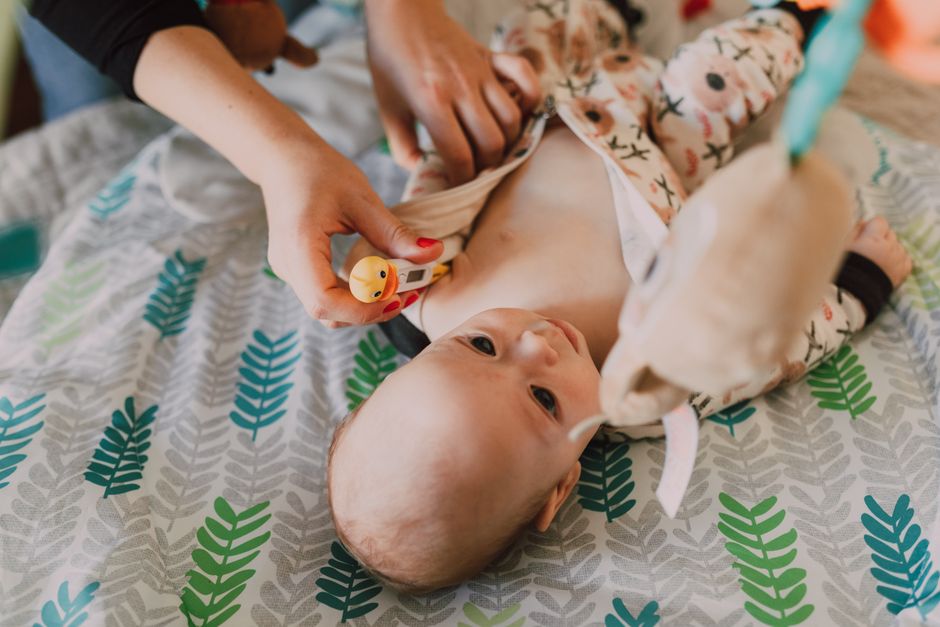
Introducing allergens to your baby can feel stressful, but the current medical guidance is clear: early introduction is the best way to help prevent food allergies. For most babies, you can start offering common allergens like peanut butter and cooked egg as soon as they begin solid foods, usually around 4 to 6 months of age. The key is to introduce one new food at a time, watch for reactions, and keep offering the food regularly once your baby tolerates it.
Why Early Introduction Matters
For years, parents were told to delay giving babies allergenic foods like peanuts, eggs, and fish. Research turned that advice upside down. Studies now consistently show that waiting too long may actually increase the risk of developing a food allergy.
The immune system learns to recognize food proteins as harmless when it encounters them early. When the body meets these proteins for the first time later in life, it is more likely to treat them as a threat. This is why pediatric guidelines now recommend introducing allergens early, not avoiding them.
The shift in guidance applies to most babies. Even babies with eczema or a family history of allergies should start allergens early, though they may need extra attention during the process. Only babies with a known allergy to a specific food, or those with severe uncontrolled eczema, need a different plan.
When Should You Start Introducing Allergens?
Start when your baby is ready for solid foods. Most babies show signs of readiness between 4 and 6 months of age. Look for these signs: your baby can hold their head up steadily, can sit with support, and has lost the tongue-thrust reflex that pushes food back out of the mouth.
Do not start before 4 months. The digestive system and immune system are not mature enough, and babies this young are not developmentally ready to eat from a spoon. Waiting until after 6 months is no longer recommended for allergy prevention. The sweet spot is that early window when solid foods begin.
Your baby does not need to be weaned off breast milk or formula first. Solid foods are introduced alongside milk feeds. You can begin with any single-ingredient food, including ones that are common allergens.
Which Allergens Should You Introduce First?
The most common food allergens in children are cow’s milk, eggs, peanuts, tree nuts, soy, wheat, fish, and shellfish. These eight foods cause the vast majority of allergic reactions.
For practical purposes, you do not need to introduce all of them in a specific order. Start with the ones your family eats regularly. Cooked egg and smooth peanut butter are often the first two allergenic foods parents introduce because they are easy to prepare and widely eaten.
Here is a quick reference for the common allergens:
- Peanuts: Offer smooth peanut butter thinned with water, breast milk, or formula. Never give whole peanuts or large chunks to a baby.
- Eggs: Offer well-cooked egg, such as scrambled or hard-boiled. Avoid raw or undercooked egg.
- Cow’s milk: Offer yogurt or cheese. Do not give cow’s milk as a drink before 12 months.
- Tree nuts: Offer smooth nut butters thinned to a runny consistency.
- Soy: Offer tofu or smooth soy yogurt.
- Wheat: Offer baby cereal containing wheat or soft bread.
- Fish and shellfish: Offer well-cooked, finely flaked fish, checking carefully for bones.
Introduce these foods one at a time, with a few days between each new allergen. This way, if your baby has a reaction, you know exactly which food caused it.





How To Introduce Allergens To Your Baby Safely
Safety starts with the right food texture. Babies cannot chew, so everything must be soft, smooth, or mashed. Thick peanut butter can be a choking hazard. Thin it with warm water, breast milk, or formula until it is runny and easy to swallow.
Give the first taste at home, not at a restaurant or daycare. Choose a time of day when your baby is healthy and alert. Do not introduce a new allergen when your baby is sick, has a fever, or is getting vaccines. You want to be able to tell the difference between a reaction to food and a reaction to illness.
Start with a small amount. A fingertip-sized dab or a small spoonful is enough for the first taste. If there is no reaction after 10 minutes, you can offer a slightly larger amount.
Watch your baby closely for at least 2 hours after the first taste. Most allergic reactions to food happen within minutes to 2 hours. Signs of a mild reaction include hives, redness around the mouth, or a few spots of vomiting. Signs of a severe reaction include trouble breathing, swelling of the lips or tongue, or persistent vomiting.
Keep offering the food regularly once your baby tolerates it. Research suggests that ongoing exposure, not just a single introduction, is what helps prevent allergies. Aim to include the food in your baby’s diet at least a couple of times per week.
What Does An Allergic Reaction Look Like?
Mild reactions can be easy to miss. Your baby might get a few hives, develop a red rash around the mouth, or have a sudden change in behavior. Some babies get fussy or vomit once. These symptoms can appear within minutes or up to 2 hours after eating.
Severe reactions, called anaphylaxis, are medical emergencies. Signs include difficulty breathing, wheezing, swelling of the face, lips, or tongue, pale or clammy skin, and a sudden drop in energy or responsiveness. If your baby shows any of these signs, call emergency services immediately.
Here is what a mild reaction may look like:
- Hives or red welts on the skin
- Redness or swelling around the mouth
- A few spots of vomiting
- Sudden fussiness or crying
Here is what a severe reaction looks like:
- Trouble breathing or wheezing
- Swelling of the lips, tongue, or throat
- Persistent vomiting
- Pale, clammy skin
- Lethargy or unresponsiveness
If you suspect a severe reaction, do not wait to see if it passes. Call emergency services right away. If your baby has only mild symptoms, call your pediatrician for advice. They can tell you whether to continue offering the food or whether to arrange allergy testing.
When To See A Doctor Before Starting
Most babies can start allergens without any special preparation. But some babies need a doctor’s guidance first. If your baby has severe eczema that is hard to control, or if your baby has had a previous reaction to a food, talk to your pediatrician before introducing allergens.
Severe eczema is a strong risk factor for food allergy. Babies with this condition may benefit from allergy testing before their first taste of a high-risk food like peanut. Your doctor can help you decide whether testing is needed or whether you can proceed with home introduction.
If your baby has already had a reaction to a food, do not offer that food again without medical advice. Even a mild reaction can be a sign of a growing allergy. Your doctor may refer you to an allergist for testing and a personalized plan.
In some cases, doctors recommend introducing allergens in the clinic under medical supervision. This is reserved for babies at the highest risk, such as those with a known egg allergy or a prior severe reaction. Most babies do not need this level of precaution.
Common Mistakes Parents Make
One common mistake is delaying introduction because of family history. Having a parent or sibling with food allergies does not mean your baby will develop them. In fact, delaying introduction may increase the risk. Unless your baby has had a reaction before, family history alone is not a reason to wait.
Another mistake is stopping a food after one mild reaction without calling the doctor. Some reactions are not true allergies. They can be caused by skin irritation from food touching the face or by a virus that happens to occur at the same time. Your pediatrician can help you sort out what actually happened.
A third mistake is giving up after one or two attempts. Babies often reject new foods at first. They may spit out the food, make a face, or turn their head away. This is normal behavior, not a sign of allergy. Keep offering the food in different ways and at different times.
Finally, do not rub a small amount of peanut butter on your baby’s skin to test for a reaction. This is not a reliable allergy test and can cause skin irritation that looks like an allergic reaction. The only way to know if your baby tolerates a food is to offer it by mouth.
Frequently Asked Questions
Can I introduce multiple allergens at the same time?
Introduce one new allergen at a time with a few days in between. This way you know exactly which food caused a reaction if one occurs.
What should I do if my baby gets hives after eating a new food?
Take a photo of the reaction, stop offering that food, and call your pediatrician. Mild hives may not be a true allergy, but a doctor should help you decide the next steps.
Is it safe to give my baby peanut butter at 4 months old?
Yes, if your baby is developmentally ready for solids and has no known allergy or severe eczema. Thin the peanut butter with water, breast milk, or formula to a runny consistency and offer a small taste.
How often should I keep giving my baby an allergen after the first introduction?
Offer the food at least a couple of times per week once your baby tolerates it. Regular exposure is what helps the immune system stay tolerant.
