
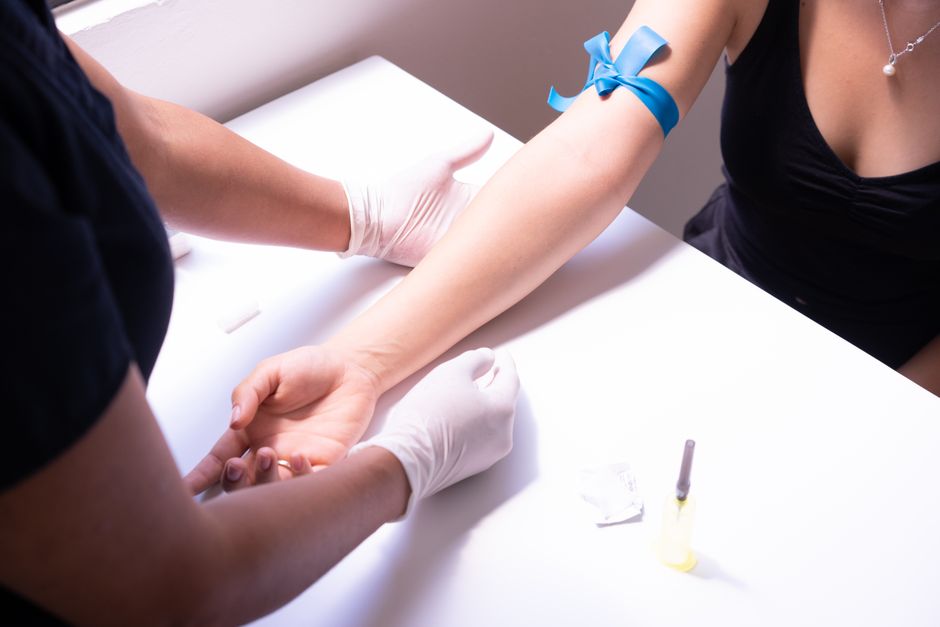
Adrenal vein sampling (AVS) is the test doctors use to find out which of your two adrenal glands is causing high blood pressure or low potassium. The results are not a simple yes or no. They depend on ratios between hormone levels in your blood. This guide explains how to read those numbers, what the key terms mean, and why the test is so important for treatment decisions.
Why Do Doctors Order Adrenal Vein Sampling?
Your adrenal glands sit on top of your kidneys. They make aldosterone, a hormone that controls blood pressure and potassium. Sometimes one gland makes too much aldosterone. This condition is called primary aldosteronism.
Too much aldosterone causes high blood pressure that is hard to control. It can also cause low potassium. The problem is that both glands might be making too much, or just one might be the culprit.
If only one gland is overproducing, surgery to remove that gland can cure the high blood pressure. If both glands are overproducing, surgery will not help. Medication is the better option instead.
CT scans can show a nodule on one gland, but they are not always accurate. In some cases the nodule is innocent and the other gland is the real problem. AVS is the only test that shows which gland is actually overproducing. This is why it is considered the gold standard for this diagnosis.
How Is the Test Performed?
A specialist called an interventional radiologist does the test. You are awake but sedated. The doctor inserts a thin tube called a catheter into a vein in your groin and guides it up to your adrenal veins.
The doctor takes blood samples from three places. One sample comes from the right adrenal vein, one from the left, and one from a vein far away from the adrenals, usually in the leg or arm. This third sample is the reference point.
Each sample is tested for two hormones: cortisol and aldosterone. Cortisol is important because it helps confirm that the catheter is actually in the adrenal vein. Without cortisol, the doctor cannot be sure where the sample came from.
The procedure takes about one to two hours. Most people go home the same day. It is safe, but it does require a skilled doctor. The right adrenal vein is small and hard to find, so success rates vary by center.
What Do the Numbers Mean?
The results are reported as ratios, not single numbers. There are two main ratios you need to understand.
The first is the selectivity index. This tells you whether the sample actually came from the adrenal vein. It compares cortisol in the adrenal vein to cortisol in the peripheral vein. The adrenal gland produces cortisol, so the adrenal vein should have much higher cortisol levels than the peripheral vein.
Most centers use a cutoff of 2:1 or higher. This means the cortisol in the adrenal vein is at least twice the cortisol in the peripheral vein. If the ratio is below this, the sample is not reliable. The catheter may have missed the vein.
The second ratio is the aldosterone-to-cortisol ratio. This corrects for dilution. You cannot just compare aldosterone levels directly because the blood flow in each adrenal vein can differ. Cortisol is the correction factor.
You divide aldosterone by cortisol in each sample. This gives you a normalized value for each adrenal vein and the peripheral vein.





How To Interpret Adrenal Vein Sampling Results
Once the doctor confirms both samples are selective, the next step is to compare the two sides. This is called the lateralization index.
You divide the aldosterone-to-cortisol ratio from one adrenal vein by the ratio from the other adrenal vein. The higher ratio is always placed on top.
If the lateralization index is 4 or higher, the test shows one-sided disease. This is called lateralization. The gland with the higher ratio is the source of the aldosterone. Surgery on that gland is likely to help.
If the lateralization index is below 2, the test shows no clear lateralization. Both glands appear to be contributing. Surgery is not recommended in this case. Medication is the standard treatment.
Values between 2 and 4 are a gray zone. Some centers use 3 as the cutoff. Others use 4. Your doctor will interpret this range with your CT scan and blood tests in mind.
| Index | What It Measures | Common Cutoff |
|---|---|---|
| Selectivity index | Confirms sample is from adrenal vein | 2:1 or higher |
| Lateralization index | Shows which side is overproducing | 4 or higher for surgery |
What If the Results Are Inconclusive?
Inconclusive results are common. The right adrenal vein is difficult to catheterize. Even experienced doctors fail to get a good sample from the right side in a meaningful percentage of cases.
If both samples are not selective, the test cannot be interpreted. The doctor may recommend repeating the test. Some centers use a medication called cosyntropin during the test to improve success rates. This drug stimulates the adrenal glands and can make the hormone differences easier to detect.
Another scenario is that one side is selective but the other is not. This gives partial information. The doctor may use the available data plus the CT scan to make a decision, or may repeat the test.
There is also a condition called aldosterone-producing adenoma versus bilateral hyperplasia. The AVS is the test that separates these two. Inconclusive AVS means this distinction remains unclear.
Some patients have a nodule on one gland and AVS shows the opposite gland is the culprit. This happens more often than people expect. It is exactly why AVS is recommended before surgery in most cases.
What Happens After the Results Come Back?
If the results show one-sided disease, surgery is the next step. The operation removes the affected adrenal gland. Most patients see improvement in blood pressure after surgery. Some are cured completely and can stop blood pressure medications.
If the results show both-sided disease, surgery is not recommended. You would take a medication called a mineralocorticoid receptor antagonist. Spironolactone and eplerenone are the two main options. These drugs block aldosterone and help control blood pressure.
Your doctor will also check your potassium levels. Aldosterone lowers potassium. Removing the source of excess aldosterone can cause potassium to rise. Your doctor will adjust your diet and medications accordingly.
The results guide the treatment plan, but they do not stand alone. Your age, kidney function, blood pressure severity, and CT findings all factor into the final decision.
Common Mistakes People Make When Reading Results
One common mistake is looking at aldosterone levels alone. A high aldosterone number in one adrenal vein does not mean that side is the problem. You must always divide by cortisol first.
Another mistake is ignoring the selectivity index. If the sample is not selective, the aldosterone numbers are meaningless. Always check that the cortisol confirms the sample location.
Some people compare the adrenal vein results to the peripheral vein result. This is not the standard way to interpret AVS. The peripheral vein is mainly used to confirm selectivity, not to determine which side is affected.
Finally, do not compare your raw numbers to published examples. Laboratories use different assays and units. Your doctor interprets your results against your lab’s reference ranges. The ratios are what matter, not the absolute values.
Frequently Asked Questions
What is a normal adrenal vein sampling result?
There is no single normal value. The test is interpreted using ratios that confirm the sample is from the adrenal vein and then compare the two sides to identify which gland is overproducing.
What does a lateralization index of 4 mean?
A lateralization index of 4 or higher indicates one adrenal gland is the dominant source of excess aldosterone, making that patient a candidate for surgical removal of that gland.
Can adrenal vein sampling give false results?
Yes, especially if the catheter misses the right adrenal vein, which is small and technically difficult to access. That is why the selectivity index is checked before any interpretation is made.
How long does it take to get adrenal vein sampling results?
Results typically come back within a few days to two weeks. The lab must run hormone assays, and the interpreting doctor needs to calculate the ratios carefully.
