
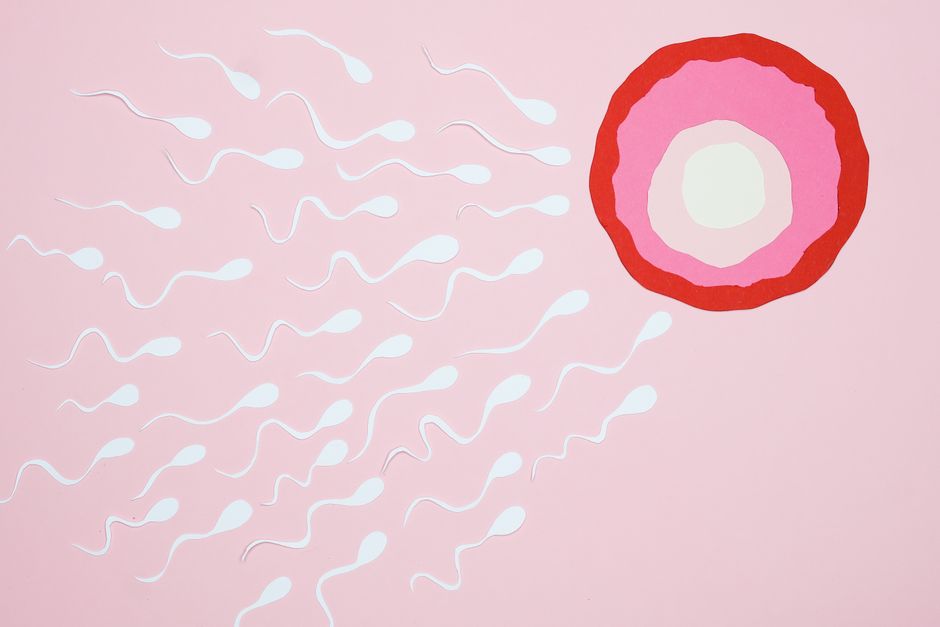
If you want to increase sperm count, the strongest evidence supports a handful of changes: stop smoking, limit alcohol, avoid excessive heat around the testicles, treat underlying infections or hormonal problems, and eat a diet rich in antioxidants. Most supplements sold for this purpose have weak or no human evidence behind them. Below is what the research actually shows and what it does not.
How Is Sperm Count Measured?
Sperm count is the number of sperm in one milliliter of semen. The World Health Organization publishes reference values used by fertility labs worldwide. A count of 15 million sperm per milliliter or higher is considered within the normal range. Below that threshold, a man is generally described as having low sperm count, or oligospermia.
That number matters, but it is not the whole picture. Doctors also look at total sperm per ejaculate, sperm shape (morphology), and how well sperm move (motility). A man with a count of 20 million but poor motility may have more trouble with fertility than a man with 12 million and excellent motility. Sperm count is one part of a larger assessment, not a standalone verdict.
One important detail: sperm count fluctuates. A single low result does not mean a permanent problem. Clinicians typically confirm with a second semen analysis, usually several weeks later, because sperm production takes roughly 74 days from start to finish. Any change you make today will not show up in a test for about two to three months.
What Actually Works To Increase Sperm Count?
The interventions with the strongest human evidence fall into a few categories: quitting harmful habits, correcting medical problems, and improving diet. None of these is a guaranteed fix, but each has research behind it.
Stop Smoking
Smoking is one of the most consistent factors linked to lower sperm count and poorer sperm quality. Research has found that men who smoke tend to have lower counts and more abnormally shaped sperm than non-smokers. The evidence here is strong and consistent across many studies. Quitting is one of the few changes with clear supporting data.
Limit Alcohol
Heavy and chronic alcohol use is associated with reduced sperm production and lower testosterone. The relationship between light or occasional drinking and sperm count is less clear. If you drink heavily, cutting back is a reasonable step. There is no strong evidence that a single drink per week meaningfully affects count.
Treat Underlying Medical Conditions
Some cases of low sperm count have a treatable cause. These include:
- Varicocele — enlarged veins in the scrotum, present in a meaningful share of men evaluated for infertility
- Hormonal disorders affecting testosterone or other reproductive hormones
- Infections of the reproductive tract
- Blockages in the ducts that carry sperm
- Medications that suppress sperm production
Varicocele repair is a common procedure, but the evidence on whether it improves fertility outcomes is mixed. Some studies show improvement in sperm parameters; others show limited benefit in live birth rates. This is an area where clinical practice and evidence do not fully align, so it is worth discussing carefully with a urologist rather than assuming surgery will solve the problem.
Improve Diet
Diet quality is linked to sperm health in observational studies. Diets rich in fruits, vegetables, whole grains, and fish tend to be associated with better sperm parameters than diets high in processed meat, refined grains, and saturated fat. These are associations, not proof of cause and effect, but the pattern is consistent enough to be worth acting on.
Does Heat Really Lower Sperm Count?
Yes. The testicles sit outside the body because sperm production works best at a temperature about 2 to 4 degrees Celsius below core body temperature. Sustained heat exposure can suppress sperm production.
Sources of heat that may matter:
- Frequent use of hot tubs or saunas
- Long periods sitting with a laptop on the lap
- Tight underwear that holds the testicles close to the body
- Occupational heat exposure, such as working near furnaces
The evidence for hot tubs and saunas is fairly consistent — several studies have found temporary drops in sperm count after regular heat exposure, with recovery after stopping. The evidence for tight underwear and laptop use is weaker and more mixed. Loose-fitting underwear is a low-cost change with no downside, but it is not a proven fix on its own.





Do Supplements Increase Sperm Count?
Most supplements marketed for sperm health have limited or no high-quality human evidence. This is one of the most oversold areas in men’s health.
Here is what the evidence actually shows:
- Zinc and folate: Some studies suggest these may support sperm production, especially in men who are deficient. In men with normal levels, the benefit is unclear.
- Coenzyme Q10: A few small trials have shown improvements in sperm motility and count. The studies are small, and results have not been consistently replicated.
- Carnitine: Some evidence suggests benefit for sperm motility. Evidence for count specifically is weaker.
- Vitamin C and E: Antioxidant research is mixed. Some studies show modest improvement; others show none.
- Ashwagandha, maca, tribulus, and similar herbal products: Very limited human data. Some small studies exist, but they are not strong enough to support general recommendations.
The pattern here is important. Many supplements have a plausible biological mechanism — antioxidants might protect sperm from oxidative damage, for example — but plausibility is not the same as proven benefit. A logical mechanism does not mean a supplement works. This is the core problem with most sperm health marketing.
If you have a diagnosed deficiency, correcting it makes sense. If you do not, taking high doses of these nutrients is unlikely to help and may cause harm in some cases. High-dose antioxidants, for instance, have sometimes been found to have unexpected negative effects in trials.
What Lifestyle Changes Have The Best Evidence?
A few lifestyle factors have reasonably consistent evidence linking them to sperm count:
- Weight: Obesity is associated with lower sperm count and altered hormone levels. Weight loss may improve parameters, though the evidence on how much is mixed.
- Exercise: Moderate regular exercise is associated with better sperm quality. Extreme endurance training, however, has been linked to lower testosterone and possibly lower sperm count in some athletes.
- Stress: Chronic stress may affect sperm production through hormonal pathways. The evidence is not as strong as for smoking or heat, but the relationship is plausible and some studies support it.
- Sleep: Poor sleep and sleep disorders like sleep apnea have been linked to lower testosterone and possibly lower sperm count. The research is still developing.
- Cell phone radiation: The evidence is mixed. Some studies suggest a possible effect from carrying a phone in a front pocket; others find no clear link. This is not settled science.
Notice that these are associations, not proven causes. It is hard to run long-term randomized trials on lifestyle factors, so most of what we know comes from observational studies. That limits how strongly we can state cause and effect.
What Does Not Work Or Has Weak Evidence?
Several popular approaches have little or no solid human evidence:
- Most herbal “male fertility” supplements
- Testosterone boosters sold over the counter
- Detoxes and cleanses marketed for fertility
- Wearing a specific type of underwear as a standalone fix
- Avoiding all soy — the evidence linking soy to lower sperm count in humans is weak and inconsistent
One clarification worth making: testosterone therapy, often prescribed for low testosterone, can actually suppress sperm production. This is a well-established effect. If you are trying to conceive, testosterone therapy is generally not the right approach and may work against you. This is a common point of confusion.
When Should You See A Doctor?
If you and your partner have been trying to conceive for a year without success — or six months if your partner is over 35 — it is reasonable to seek evaluation. For men, this usually starts with a semen analysis.
You should also see a doctor sooner if you have:
- A history of testicular injury, surgery, or infection
- Signs of low testosterone, such as low sex drive or fatigue
- A varicocele or other physical finding
- Prior cancer treatment, especially chemotherapy or radiation
A urologist or reproductive specialist can identify treatable causes. Not every case of low sperm count has a fix, and some men have unexplained low counts. But a proper evaluation is the only way to know which category you fall into.
Frequently Asked Questions
How long does it take to increase sperm count?
Sperm production takes about 74 days, so changes from lifestyle or treatment typically take two to three months to show up on a semen analysis. A repeat test is usually done after that window.
Can I increase sperm count naturally?
Some changes — quitting smoking, limiting alcohol, avoiding excessive heat, and improving diet — have evidence supporting them. Most supplements marketed for this purpose do not have strong human evidence.
Does masturbation lower sperm count?
No. Masturbation does not reduce sperm production. It may temporarily lower the count in a single sample, but the body replenishes sperm continuously.
Do tight underwear or laptops really affect sperm count?
Heat exposure can suppress sperm production, and tight underwear or laptop use may raise scrotal temperature. The evidence for these specific habits is weaker and more mixed than for hot tubs or saunas.
