
For people with POTS, increasing salt intake is a core part of managing symptoms like lightheadedness, fatigue, and fainting. The standard approach is to add 3 to 5 grams of extra sodium per day on top of a normal diet, but this must be done under a doctor’s guidance. This works because salt helps your body hold onto fluid, which increases blood volume and makes it easier for your heart to pump blood against gravity.
Why Does Salt Help POTS Symptoms?
POTS, or postural orthostatic tachycardia syndrome, involves a drop in blood volume or a problem with blood vessel tone. When you stand up, gravity pulls blood into your lower body. In a healthy person, blood vessels tighten quickly to push blood back up. In someone with POTS, this response is delayed or weak, so the heart beats faster to compensate.
Sodium is the key mineral that controls fluid balance in your bloodstream. When you consume extra salt, your body retains more water. This increases your total blood volume. More blood volume means your blood vessels stay fuller, and standing up does not cause as dramatic a shift in blood distribution. This is why the current clinical approach for many POTS patients includes a high-salt diet combined with increased water intake.
It is important to understand that salt alone is not the whole treatment. It works alongside hydration. Most doctors recommend roughly 2 to 3 liters of water daily in addition to the extra salt. Without enough water, the extra salt cannot expand your blood volume effectively.
How Much Salt Should You Add?
The general recommendation for POTS patients is 3 to 5 grams of extra sodium per day. This is in addition to the standard dietary intake of about 2.3 grams. That brings the total daily sodium to roughly 5 to 7 grams for most patients.
This is a significant amount. For reference, one teaspoon of table salt contains about 2.3 grams of sodium. That means you are adding roughly 1.5 to 2 teaspoons of salt daily beyond what you normally eat.
There is no official universal dose that works for everyone. Some patients feel better at the lower end of this range. Others need the higher end. Your doctor may adjust the amount based on your blood pressure readings and symptom control. Do not start this on your own. High salt intake is not safe for everyone, particularly those with heart or kidney conditions.
Practical Ways To Add Salt To Your Diet
Adding salt to your food is the most straightforward method, but it can be hard to reach the target amount with a normal diet alone. Many patients need more concentrated sources.
- Salt tablets: These are available over the counter. Each tablet typically contains about 1 gram of sodium chloride, which provides roughly 400 mg of sodium. Your doctor can tell you how many tablets to take per day.
- Salt water: Mixing a half teaspoon of salt into a large glass of water and drinking it once or twice daily is a common method. Some people add flavoring like lemon juice or a sugar-free drink mix to make it more palatable.
- Broths and soups: These naturally contain high sodium and also provide fluid. A cup of commercial broth can contain 800 to 900 mg of sodium.
- Pickles and olives: These are concentrated sources of sodium. A single pickle spear can contain 300 to 400 mg.
- Electrolyte drinks: Look for oral rehydration solutions designed for medical use rather than sports drinks. These contain higher sodium levels, often 500 to 1,000 mg per serving.
Spread your salt intake throughout the day rather than consuming it all at once. Taking a large bolus of salt can cause stomach upset or a sudden spike in blood pressure. Consistent intake keeps your blood volume more stable.




What Kind of Salt Should You Use?
Regular table salt is fine. It contains sodium chloride, which is what your body needs for blood volume. Iodized table salt also provides iodine, an essential nutrient.
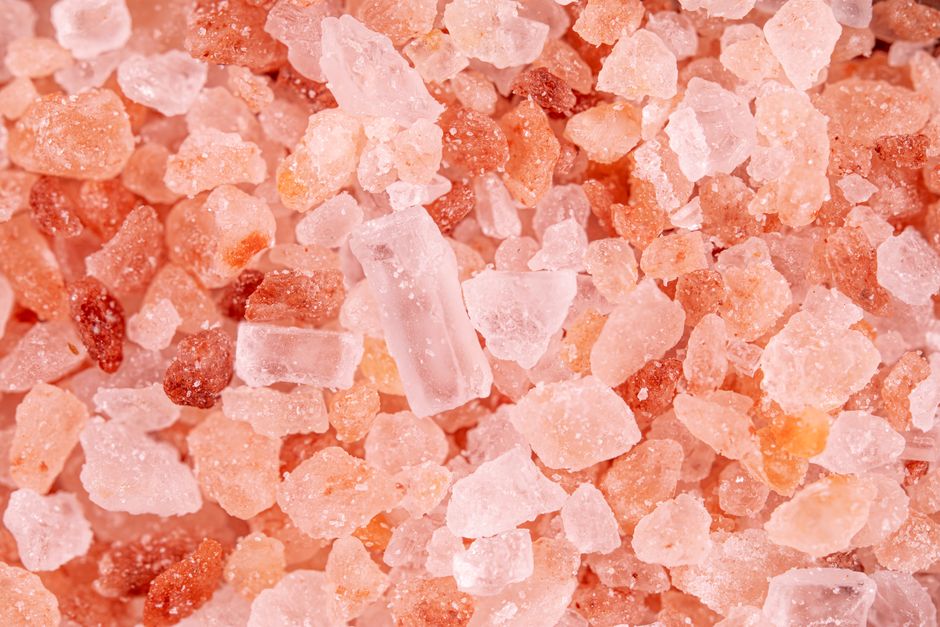
Sea salt and Himalayan pink salt are popular, but they are not superior for POTS management. They contain the same sodium chloride with trace minerals. The difference is negligible for your blood volume. If you prefer the taste, use them. If you want the cheapest option, regular table salt works just as well.
Salt substitutes are a problem. Many of these products replace sodium with potassium chloride. For POTS patients, potassium does not expand blood volume the way sodium does. Using a salt substitute instead of real salt will not help your symptoms. Check labels carefully if you use a substitute for other health reasons.
How To Increase Salt Intake For POTS Symptoms Safely
Before you change your salt intake, you need medical clearance. This is not optional. A doctor should confirm your POTS diagnosis and check that you do not have underlying conditions that make high salt dangerous.
People with high blood pressure, heart failure, or kidney disease cannot safely follow a high-salt diet. The extra fluid retained by sodium puts strain on these systems. Even if you do not have these conditions, you should have your blood pressure monitored while increasing salt intake.
When you start increasing salt, do it gradually. Add an extra half teaspoon daily for a few days, then increase to a full teaspoon. Monitor how you feel. Some patients notice improvement within a few days. Others need a week or two to see a difference.
Keep track of your fluid intake. For every extra gram of sodium, you should be drinking adequate water. The standard recommendation is 2 to 3 liters daily. If you increase salt without increasing water, you may feel worse or develop headaches.
Signs You Are Getting Too Much Salt
Your body will tell you if you are overdoing it. Watch for these signs:
- Swelling in your hands, feet, or ankles
- Headaches that are new or worse than usual
- Blood pressure readings that are consistently high
- Feeling bloated or unusually thirsty
If you notice these symptoms, reduce your salt intake and contact your doctor. Mild swelling can be managed by adjusting your dose. Persistent high blood pressure means the high-salt approach may not be right for you.
There is a balance here. Too little salt and your POTS symptoms continue. Too much salt and you risk complications. The right amount is individual and should be determined with your care team.
Does Salt Work for Everyone With POTS?
No. Salt loading is a first-line recommendation for many POTS patients, but it does not help everyone. Some patients have normal or even high blood volume already. For them, adding more salt does not improve symptoms.
POTS is not one single condition. It has multiple subtypes, and the underlying cause varies from person to person. Some patients have a hyperadrenergic form where their body produces too much norepinephrine. Others have a neuropathic form affecting nerve function. Salt loading tends to help patients with low blood volume, but it may not be as effective for other subtypes.
Your response to salt is a useful diagnostic clue. If you feel significantly better with high salt intake, you likely have a low blood volume component to your POTS. If you feel no different, your doctor may explore other treatment options like medications that constrict blood vessels or regulate heart rate.
Combining Salt With Other POTS Treatments
Salt is rarely the only treatment. Most patients use it as part of a broader plan. Compression garments are commonly used alongside salt. They squeeze the legs and abdomen, which prevents blood from pooling when you stand. This works synergistically with increased blood volume from salt.
Physical exercise is another key component. A recumbent bike or rowing machine is often recommended because these positions do not trigger the same blood pooling as standing exercises. Over time, exercise trains your blood vessels to respond more quickly to position changes.
Some patients need medication. Fludrocortisone helps the kidneys retain sodium. Midodrine tightens blood vessels. Beta-blockers reduce heart rate. These are prescribed when salt and fluids alone do not control symptoms.
Frequently Asked Questions
How quickly does salt help POTS symptoms?
Some patients notice improvement within a few days of increasing salt intake. For others, it takes one to two weeks of consistent intake to see a meaningful change in symptoms.
Can I take salt tablets instead of adding salt to food?
Yes, salt tablets are a common and effective option for reaching your daily sodium target. Your doctor should tell you the exact number of tablets to take, typically divided throughout the day with water.
Is it safe to increase salt intake without a doctor’s approval?
No, you should not increase salt without medical clearance. High salt intake is dangerous for people with heart conditions, kidney disease, or high blood pressure, so a doctor must evaluate your individual risk first.
Will drinking sports drinks help increase my sodium?
Most sports drinks contain too little sodium for POTS management, often only 100 to 200 mg per serving. Oral rehydration solutions designed for medical use contain higher amounts and are a better choice if you prefer a drink option.
