
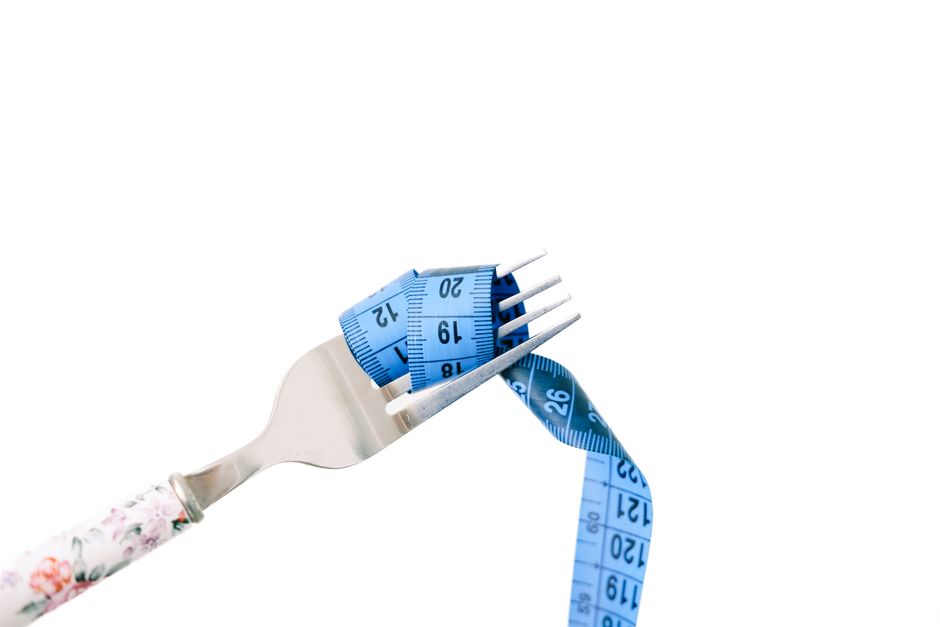
Many people want to increase their metabolism to burn more calories and lose weight. The truth is that while you cannot dramatically reset your metabolism overnight, several evidence-based strategies can help. Building muscle, eating enough protein, staying active, and getting quality sleep are the main factors that actually work.
What is metabolism and how does it work?
Metabolism is the process your body uses to convert food into energy. It includes three main components. Your basal metabolic rate (BMR) is the energy your body burns at rest just to stay alive. It accounts for about 60 to 75 percent of your total daily calorie burn. The thermic effect of food (TEF) is the energy used to digest and absorb nutrients. Physical activity, both planned exercise and everyday movement, makes up the rest.
Many people think metabolism is something you can “speed up” easily. In reality, most of your daily energy burn is determined by factors you cannot control, such as age, sex, and genetics. But you can influence the parts that you have control over — especially muscle mass and activity level.
Does muscle really boost metabolism?
Yes, muscle tissue burns more calories at rest than fat tissue. Each pound of muscle burns roughly 6 to 7 calories per day at rest, while a pound of fat burns only about 2 to 3 calories. That difference is real, but it is not huge. Adding 5 pounds of muscle may increase your resting calorie burn by about 30 to 35 calories per day.
However, the bigger benefit of building muscle is that it increases the calories you burn during exercise and recovery. Strength training also creates an “afterburn” effect called excess post-exercise oxygen consumption (EPOC). This means your body continues to burn extra calories for hours after your workout. Building muscle is one of the most reliable long-term strategies to support a healthy metabolism.
Can certain foods increase metabolism?
Some foods have a higher thermic effect than others. Protein requires the most energy to digest — about 20 to 30 percent of its calories are burned just processing it. Carbohydrates use about 5 to 10 percent, and fat uses 0 to 3 percent. So eating enough protein can slightly increase your total calorie burn each day.
Caffeine and green tea have been studied for their potential to boost metabolism. Caffeine can temporarily increase calorie burn by a small amount, typically less than 100 calories per day with moderate intake. Green tea contains catechins that may have a minor additive effect. But these effects are modest and tend to diminish with regular use. Spicy foods like chili peppers may raise metabolism very briefly, but the effect is too small to matter for weight loss.
No single food or drink can meaningfully increase your metabolism on its own. The overall quality and composition of your diet matters far more than any individual “metabolism-boosting” food.




Does exercise increase metabolism?
Yes, both aerobic exercise and resistance training increase your daily energy expenditure. Cardio burns calories during the activity. High-intensity interval training (HIIT) can produce a more prolonged afterburn effect than steady-state cardio, meaning you continue to burn extra calories for up to 24 hours afterward.
Resistance training builds muscle, which raises your resting metabolic rate over time. A combination of both types of exercise appears to be most effective. However, the boost from any single workout is temporary. Consistent physical activity over weeks and months is what produces lasting change. Non-exercise activity — such as walking, standing, fidgeting, and doing household chores — also contributes significantly to daily calorie burn. This is called NEAT (non-exercise activity thermogenesis) and varies widely between individuals.
What about age and metabolism?
Metabolism naturally slows with age. After about age 30, your resting metabolic rate decreases by roughly 1 to 2 percent per year. This decline is largely due to loss of muscle mass and changes in hormone levels, particularly in women during menopause.
The good news is that much of this decline is not inevitable. Regular strength training can preserve or even increase muscle mass as you age, helping to keep your metabolism from slowing as much. Staying active overall — including walking, gardening, and other daily movement — also makes a meaningful difference. Age-related metabolic decline is real, but it can be partially offset by lifestyle habits.
Do metabolism boosting supplements work?
Most over-the-counter supplements marketed as “metabolism boosters” have little to no evidence of effectiveness. Ingredients like green tea extract, caffeine, capsaicin, and yohimbine may produce small, temporary increases in calorie burn. But the effects are generally too small to cause measurable weight loss without other lifestyle changes.
Some supplements contain stimulants that can raise heart rate and blood pressure. These come with risks, especially for people with heart conditions. No supplement has been proven to safely and significantly increase metabolism in the long term. The evidence consistently shows that diet, exercise, and sleep are far more effective than any pill or powder.
Lifestyle factors that affect metabolism
Sleep and stress have real effects on metabolism. Chronic sleep deprivation reduces your resting metabolic rate and disrupts hormones that regulate hunger and appetite. Getting at least seven hours of quality sleep per night supports a healthy metabolism.
High stress levels raise cortisol, which can encourage fat storage and reduce muscle mass over time. Managing stress through relaxation techniques, social connection, and regular physical activity may help prevent these metabolic changes. Drinking enough water is also important, as even mild dehydration can temporarily slow your metabolism. Staying hydrated helps your body function efficiently.
Crash diets and very low calorie intake can actually lower your metabolism. When you eat too few calories for too long, your body adapts by reducing energy expenditure to conserve fuel. This “adaptive thermogenesis” can make weight loss harder and is one reason why slow, sustainable changes are more effective than extreme diets.
Frequently Asked Questions
Can drinking water boost metabolism?
Drinking water can temporarily increase metabolism by about 24 to 30 percent for roughly an hour. The effect is small and drinking more water alone will not cause significant weight loss, but staying hydrated supports overall metabolic function.
Does eating more frequently boost metabolism?
No, meal frequency does not significantly affect your metabolic rate. Total calories and food composition matter, not how often you eat. Some studies show that eating fewer, larger meals may even be slightly more beneficial for appetite control.
Can I change my metabolism permanently?
You can increase your metabolism by building muscle and staying active, and that increase persists as long as you maintain the muscle. However, your baseline metabolic rate naturally declines with age, so some change is inevitable. Lifestyle habits can meaningfully slow that decline.
Do cold showers or ice baths increase metabolism?
Exposure to cold can activate brown fat, which burns calories to generate heat. The effect is small and short-lived. Regular cold exposure may produce a minor increase in daily energy expenditure, but it is not a practical or evidence-based strategy for weight loss.
