
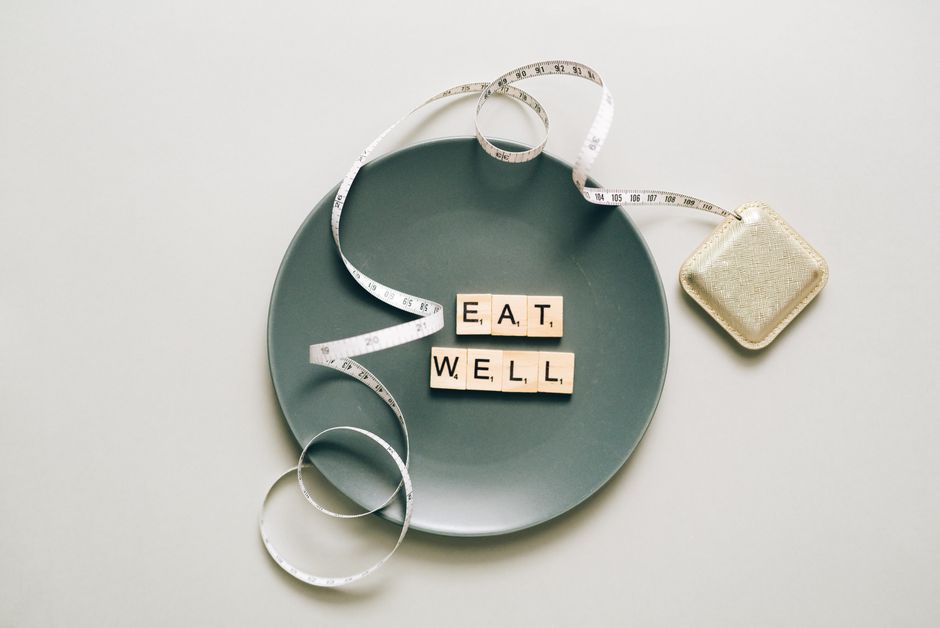
After age 40, your metabolism can slow by about 1-2% per year for various reasons. This is not a life sentence. The key facts are that building muscle, eating enough protein, staying active, and getting quality sleep can help counter this natural decline. The evidence is clear: you can influence your metabolic rate more than you think with consistent, science-backed habits.
What Actually Happens to Your Metabolism After 40?
Metabolism is the process your body uses to convert food into energy. Your resting metabolic rate (RMR) is the number of calories you burn just by being alive. Research published in Science in 2021 tracked thousands of people and found that RMR stays relatively stable from age 20 to 60. The bigger drop people feel comes from losing muscle mass.
Muscle burns more calories at rest than fat does. After 40, many people lose about 3-8% of their muscle mass per decade. This is called sarcopenia. Less muscle means a lower RMR. The good news is that this muscle loss is not inevitable. You can rebuild and maintain muscle at any age.
Hormonal changes also play a role. For women, menopause can shift how the body stores fat and uses energy. For men, testosterone levels gradually decline. These changes matter, but lifestyle choices have a larger effect than most people realize.
How Does Building Muscle Increase Metabolism After 40?
Strength training is the single most effective tool for raising your metabolism after 40. When you lift weights or do resistance exercises, you build muscle tissue. Each pound of muscle burns about 6-7 calories per day at rest. A pound of fat burns only about 2-3 calories. This difference adds up.
A study in the Journal of Applied Physiology found that older adults who did resistance training for 26 weeks increased their resting metabolic rate by about 7%. That is a real, measurable change. The participants were in their 60s and 70s, so the effect is not limited to younger people.
You do not need to spend hours in a gym. Two to three sessions per week of compound exercises like squats, deadlifts, push-ups, and rows are enough. Focus on progressive overload — slowly increasing the weight or reps over time. Your muscles respond to the challenge, not the number on the dumbbell.
Does Protein Intake Really Matter for Metabolism After 40?
Yes, and the evidence is strong. Protein has a higher thermic effect of food (TEF) than carbs or fat. TEF is the energy your body uses to digest and process nutrients. Protein requires about 20-30% of its calories just to be digested. Carbs require 5-10%, and fat requires 0-3%. This means eating protein directly boosts your metabolism for a few hours after a meal.
More importantly, protein is essential for muscle repair and growth. Without enough protein, your body cannot build the muscle that keeps your metabolism higher. The recommended intake for adults over 40 is about 1.2 to 1.6 grams of protein per kilogram of body weight per day. For a 150-pound person, that is roughly 82 to 110 grams of protein daily.
Spreading protein across meals matters too. A study in the Journal of Nutrition showed that older adults who ate protein evenly across breakfast, lunch, and dinner had better muscle synthesis than those who ate most of their protein at dinner. Aim for 25-35 grams of protein per meal. Eggs, Greek yogurt, chicken, fish, beans, and tofu are all solid sources.


What Role Does Daily Movement Play in Metabolism After 40?
Formal exercise is important, but non-exercise activity thermogenesis (NEAT) may matter just as much. NEAT is all the calories you burn from everyday movements not counting intentional exercise. Walking to your car, standing while talking on the phone, fidgeting, cleaning the house — all of it adds up.
Research suggests that NEAT can vary by up to 2,000 calories per day between two people of similar size. That is a huge range. After 40, many people naturally become more sedentary. Sitting for long periods lowers NEAT significantly. Standing desks, short walks after meals, and taking the stairs are small changes that compound over weeks and months.
A study from the American Journal of Clinical Nutrition found that walking just 15 minutes after a meal reduced blood sugar spikes and increased calorie burn in older adults. The effect was modest but consistent. Small doses of movement throughout the day are more effective than one long workout followed by hours of sitting.
How Does Sleep Affect Metabolism After 40?
Sleep is often overlooked, but it directly impacts your metabolic rate and hormone balance. Poor sleep lowers levels of leptin, the hormone that tells your brain you are full. It increases ghrelin, the hormone that makes you feel hungry. This combination makes you eat more while burning fewer calories.
A study in the Annals of Internal Medicine found that when people slept only 4-5 hours per night, their resting metabolic rate dropped by about 5-8%. They also stored more fat from the calories they ate. The effect was seen in healthy adults, not just shift workers or people with sleep disorders.
After 40, sleep quality often declines due to hormonal changes, stress, or lifestyle habits. Prioritizing 7-9 hours of quality sleep is not optional for metabolism — it is foundational. Keep your bedroom cool, dark, and quiet. Avoid screens for an hour before bed. Caffeine after 2 PM can disrupt sleep even if you fall asleep easily.
What About Supplements and Quick Fixes for Metabolism After 40?
This is where most of the hype lives. Green tea extract, capsaicin, caffeine, and other “metabolism boosters” are widely claimed to work. The evidence for most of them is weak at best. Some studies show a small increase in calorie burn — typically less than 50-100 calories per day. That is not nothing, but it will not transform your metabolism.
Green tea contains catechins that may slightly increase fat oxidation. A meta-analysis in the International Journal of Obesity found an average weight loss benefit of about 1-2 pounds over 12 weeks. That is modest. Capsaicin from chili peppers can raise metabolism temporarily, but the effect is small and fades as your body adapts.
As of 2026, there is no clinical evidence that any supplement can meaningfully reverse age-related metabolic decline on its own. The Federal Trade Commission has fined companies for making false claims about metabolism-boosting supplements. If a product promises to “unlock” your metabolism or “revolutionize” fat burning, treat it with deep skepticism. The real tools are diet, exercise, sleep, and daily movement.
| Factor | Effect on Metabolism | Strength of Evidence |
|---|---|---|
| Muscle mass (via strength training) | Increases RMR by 5-10% over months | Strong |
| Protein intake | Increases TEF by 20-30% per meal | Strong |
| Daily movement (NEAT) | Can vary by hundreds of calories | Strong |
| Sleep quality | Poor sleep lowers RMR by 5-8% | Strong |
| Green tea extract | Small increase under 100 cal/day | Moderate |
| Capsaicin supplements | Small temporary increase | Weak to moderate |
How To Increase Metabolism After 40 Naturally Without Starving Yourself
Crash diets are a common mistake. Severely cutting calories signals your body that food is scarce. Your metabolism slows down to conserve energy. This is an evolutionary survival mechanism. After 40, the metabolic slowdown from dieting can be more pronounced because muscle loss happens faster when calories are too low.
A study in Obesity followed people who lost weight through very low-calorie diets. Their resting metabolic rate dropped by 15-20% more than expected based on their weight loss alone. This “metabolic adaptation” can persist for years. Yo-yo dieting makes it harder to maintain a healthy weight over time.
The better approach is a moderate calorie deficit of 300-500 calories per day combined with strength training. This preserves muscle while losing fat. Eating enough protein and fiber keeps you full. You do not need to be hungry to have a healthy metabolism. Your body responds better to steady, sustainable changes than to dramatic restrictions.
Frequently Asked Questions
Can you really increase your metabolism after 40?
Yes, you can increase your metabolism after 40 by building muscle, eating enough protein, and staying active throughout the day.
How much protein do I need to boost metabolism after 40?
Aim for 1.2 to 1.6 grams of protein per kilogram of body weight daily, spread evenly across meals.
Does drinking water help metabolism after 40?
Drinking water can temporarily increase metabolism by about 10-30% for an hour, but the effect is small and short-lived.
What is the best exercise to increase metabolism after 40?
Strength training with compound exercises like squats, deadlifts, and push-ups is the most effective exercise for raising your resting metabolic rate.
