
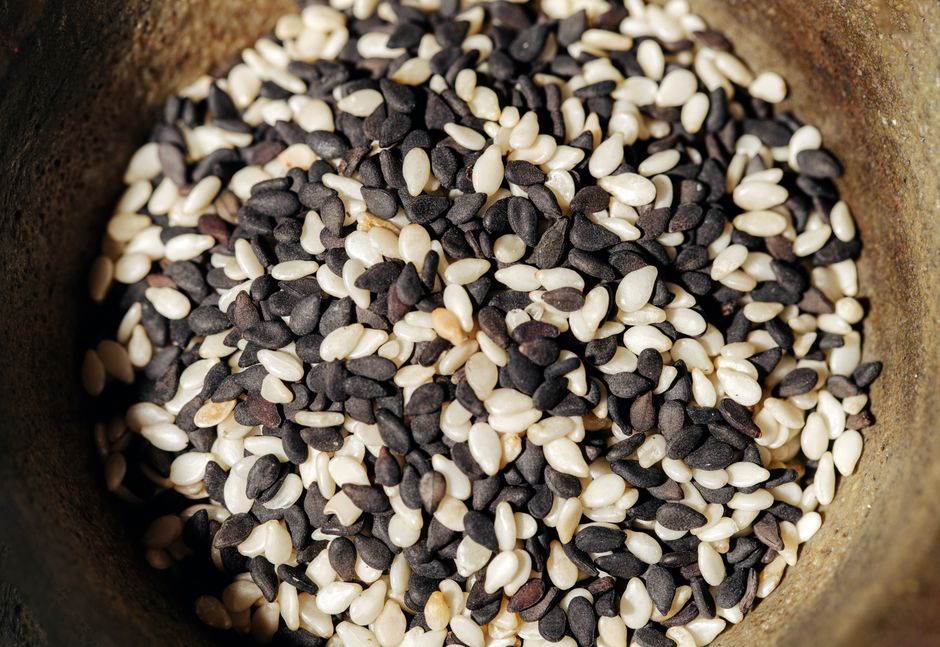
Sesame seeds are a surprisingly good source of calcium, but your body cannot use most of it unless you prepare them the right way. The most effective method is to grind the seeds into a paste or powder, like tahini, and eat them with foods that contain vitamin D and healthy fats. Whole sesame seeds often pass through your digestive system largely intact, which means the calcium inside stays trapped and goes to waste.
Why Whole Sesame Seeds Are Not Enough for Calcium
Sesame seeds are tiny, and their outer layer is tough and fibrous. When you eat them whole, your digestive system struggles to break that outer shell down. Many seeds simply pass through your body undigested. If the seed does not break open, the calcium inside never reaches your bloodstream.
Research consistently shows that grinding seeds dramatically improves mineral absorption. This is not a theory. The physical act of grinding breaks the cell walls and releases the calcium, making it available for your intestines to absorb. A spoonful of whole seeds sprinkled on a salad is pleasant, but it delivers far less calcium than the same amount ground into a paste.
There is also a chemical factor to consider. Sesame seeds contain oxalates and phytates. These are natural compounds that bind to calcium and reduce absorption. Grinding does not remove these compounds, but cooking or roasting the seeds can lower their impact. Combining ground seeds with vitamin C-rich foods, like lemon juice or tomatoes, can also help counterbalance the effect of these binding compounds.
How To Eat Sesame Seeds For Calcium Absorption
The single best way to eat sesame seeds for calcium absorption is as tahini. Tahini is simply hulled sesame seeds ground into a smooth butter. The grinding process does the work your teeth cannot. It turns a hard, indigestible seed into a creamy paste where the calcium is fully exposed.
You can make tahini at home or buy it prepared. To make it, toast the seeds lightly in a dry pan, then blend them in a food processor for several minutes until they turn liquid and smooth. A pinch of salt helps the flavor. The paste keeps in the refrigerator for weeks.
If you do not want to make tahini, you can grind sesame seeds in a coffee grinder or spice mill. Grind them fresh in small batches. Ground seeds lose their nutritional edge over time as the oils go rancid and the nutrients oxidize. A tablespoon of freshly ground sesame seeds added to oatmeal, yogurt, or smoothies provides a meaningful calcium boost.
Do not rely on whole seeds for calcium. If you enjoy them for texture and flavor, eat them. Just do not count them toward your calcium intake. The difference in absorption is substantial enough that whole seeds should be considered a garnish, not a calcium source.
What to Pair With Sesame Seeds to Boost Absorption
Calcium does not work alone in your body. Vitamin D is essential for calcium absorption in the intestines. Without adequate vitamin D, your body cannot absorb calcium efficiently no matter how much you eat. Fatty fish, egg yolks, and fortified dairy products provide vitamin D. Sunlight is also a source, though many people are deficient, especially during winter months.
Vitamin K2 also plays a role in calcium metabolism. It helps direct calcium to your bones and teeth rather than allowing it to settle in soft tissues. Fermented foods like natto, sauerkraut, and certain cheeses contain vitamin K2. Some research suggests that eating calcium-rich foods alongside vitamin K2 sources improves bone outcomes, though the evidence for supplementation is still emerging.
Magnesium is another mineral that works alongside calcium. Sesame seeds are already rich in magnesium, so you get both minerals in one food. This natural pairing is one reason tahini is a better calcium source than many calcium-fortified products that contain calcium alone.
Practical pairings that work well:
- Tahini drizzled over roasted vegetables
- Ground sesame seeds stirred into yogurt with a splash of orange juice
- Tahini mixed with lemon juice and garlic as a dressing
- Ground seeds added to a smoothie with spinach and a banana




Sesame Seed Calcium Content Compared to Other Foods
Sesame seeds are frequently described as a high-calcium food, but the numbers need context. A tablespoon of tahini contains roughly 64 milligrams of calcium. A cup of cooked kale contains about 94 milligrams. A cup of milk contains about 300 milligrams.
This comparison matters because it changes how you should think about sesame seeds. They are a good source of calcium, but they are not a replacement for dairy or fortified foods if your calcium needs are high. Most adults need about 1000 milligrams of calcium per day. Women over 50 and men over 70 need about 1200 milligrams.
Reaching those targets with sesame seeds alone would require eating more tahini than is practical. The fat content is high. Two tablespoons of tahini contain about 16 grams of fat. Eating enough tahini to meet your full calcium requirement would deliver an unrealistic amount of calories and fat.
Sesame seeds are best understood as one part of a calcium strategy, not the entire strategy. They are especially valuable for people who do not eat dairy. Vegans, people with lactose intolerance, and those who avoid milk for other reasons can use tahini as a meaningful contributor to their daily calcium intake.
Does Cooking Destroy the Calcium in Sesame Seeds?
Calcium is a mineral. Minerals do not break down from heat the way vitamins do. Cooking, roasting, or toasting sesame seeds does not destroy their calcium content. What heat can do is reduce the activity of oxalates and phytates, which may slightly improve calcium availability.
Roasting also improves flavor. Raw sesame seeds can taste slightly bitter. A light toast in a dry pan or oven brings out a nutty, rich flavor that makes the seeds more enjoyable to eat regularly. Enjoying a food consistently matters more than minor differences in absorption percentage.
One caution applies to cooking method. Deep frying sesame seeds or cooking them in excessive oil adds unnecessary fat. Light toasting is sufficient. The goal is flavor and slight improvement in digestibility, not heavy processing.
Who Should Be Careful With Sesame Seeds
Sesame allergy is one of the more common food allergies. It is serious and can cause anaphylaxis. If you have never eaten sesame seeds before and have a history of food allergies, introduce them carefully. If you experience hives, swelling, or difficulty breathing after eating sesame, seek emergency medical care immediately.
People with a history of kidney stones may need to moderate their sesame intake. The oxalates in sesame seeds can contribute to calcium oxalate stones, the most common type of kidney stone. This does not mean everyone with kidney stone history must avoid sesame entirely, but it is worth discussing with a doctor if you have had recurrent stones.
Sesame seeds are calorie-dense. A quarter cup of whole seeds contains about 200 calories. Tahini is even more calorie-dense by volume. For most people this is not a problem. For those tracking calories closely, portion control matters. A tablespoon of tahini is a reasonable serving.
Frequently Asked Questions
Should I eat sesame seeds raw or roasted for calcium?
Roasted is slightly better because heat reduces oxalates that block calcium absorption. The difference is modest, so choose based on flavor preference.
How much tahini should I eat daily for calcium?
Two tablespoons of tahini provide about 128 milligrams of calcium, roughly 13 percent of the daily need for most adults. Use it as a regular addition to meals rather than your only calcium source.
Do I need to soak sesame seeds before eating them?
Soaking can reduce phytate content, but grinding is more important for calcium access. Soaked and ground seeds are ideal, but grinding alone makes the calcium available.
Can I get enough calcium from sesame seeds alone?
No, not practically. Meeting your full calcium requirement would require an unrealistic amount of tahini and fat. Combine sesame seeds with leafy greens, fortified plant milks, or dairy.
