
A low platelet count, known medically as thrombocytopenia, means your blood has fewer platelets than normal. Platelets are the tiny cells that help your blood clot, so a low count raises your risk of bruising and bleeding. The first step is finding out why your count is low, because the right approach depends entirely on the cause. Treatment ranges from adjusting medications and treating underlying conditions to specific medical procedures when the count is dangerously low.
What Is a Normal Platelet Count?
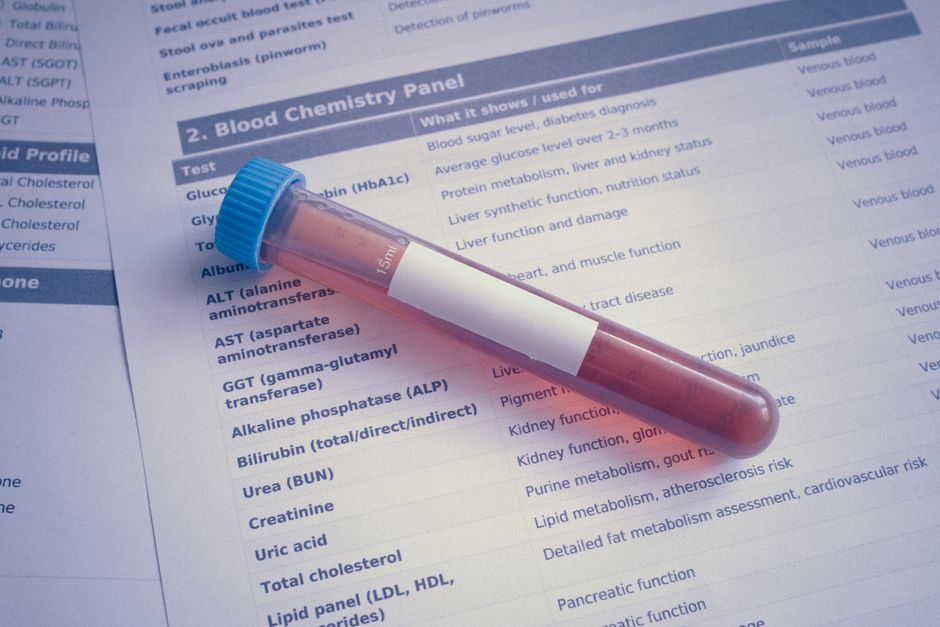
Platelets are measured by a simple blood test called a complete blood count, or CBC. A normal platelet count falls between 150,000 and 450,000 platelets per microliter of blood.
A count below 150,000 is considered low. Mildly low counts, such as 100,000 to 150,000, often do not cause symptoms and may not need treatment. Counts below 50,000 can cause easy bruising or prolonged bleeding from small cuts. Counts below 20,000 carry a risk of serious internal bleeding.
Your doctor will interpret your number in context. What matters most is not just the number itself, but how quickly it is dropping and what is causing it.
What Causes a Low Platelet Count?
Low platelets have three main causes. Your body either is not making enough platelets, is destroying them too quickly, or is trapping them in an enlarged spleen.
Bone marrow problems are a common cause. The bone marrow is where platelets are produced. Conditions like leukemia, aplastic anemia, or damage from chemotherapy or radiation can slow production. Viral infections, including HIV, hepatitis C, and even common viruses, can temporarily suppress platelet production.
Immune destruction is another major cause. In immune thrombocytopenia, or ITP, the immune system mistakenly attacks platelets as if they were foreign invaders. This can happen after a viral infection, with certain autoimmune diseases like lupus, or without any identifiable trigger. Some medications can also cause the immune system to destroy platelets.
An enlarged spleen can trap platelets. The spleen normally filters old blood cells, but when it enlarges due to liver disease or other conditions, it can hold onto too many platelets, keeping them out of circulation.
Other causes include heavy alcohol use, certain medications, pregnancy, and nutritional deficiencies. Vitamin B12 and folate deficiencies can impair platelet production, though this is less common than other causes.
How To Increase Low Platelet Count: Treat the Cause First
There is no single food or supplement that reliably raises platelet counts across all conditions. The most effective way to increase a low platelet count is to identify and treat the underlying cause.
If a medication is causing the drop, stopping it under medical supervision often restores normal counts within days to weeks. If a viral infection is responsible, counts typically recover on their own as the infection clears. If liver disease or an enlarged spleen is the problem, treating that condition is the priority.
For immune thrombocytopenia, first-line treatment usually involves corticosteroids like prednisone. These drugs suppress the immune attack on platelets. Many people respond within one to two weeks, though the response may not be permanent. Other options include intravenous immunoglobulin, or IVIG, which can raise platelet counts quickly but only temporarily.
When platelet counts are dangerously low or bleeding is severe, a platelet transfusion may be needed. Transfusions provide an immediate source of platelets but are generally reserved for emergencies because the effect is short-lived.
For chronic ITP that does not respond to steroids, newer medications called thrombopoietin receptor agonists are available. These drugs stimulate the bone marrow to produce more platelets. They include eltrombopag and romiplostim, which are taken or injected on a regular schedule.





Can Diet and Supplements Help?
Many people search for natural ways to raise platelet counts. The honest answer is that dietary changes have limited proven benefit for most causes of low platelets. If your platelet count is low because of a severe nutritional deficiency, correcting that deficiency can help. But most cases of thrombocytopenia are not caused by diet.
Folate and vitamin B12 are both needed for normal blood cell production. If blood tests confirm a deficiency in either, supplementation is appropriate and can improve platelet counts. This is most common in people with poor dietary intake, malabsorption conditions, or those on certain medications.
Some research has looked at foods like papaya leaf extract, particularly in the context of dengue fever. Some studies suggest papaya leaf extract may help raise platelet counts in people with dengue, but the evidence is not strong enough to recommend it as a general treatment for low platelets. No large, well-controlled human trials have confirmed its effectiveness for other causes of thrombocytopenia.
Iron deficiency can also contribute to low platelet counts in some people, though it more commonly causes anemia. If testing shows low iron levels, correcting the deficiency is reasonable. Do not take iron supplements without a confirmed deficiency, as excess iron can be harmful.
Be cautious with supplements that can interfere with platelet function. Fish oil, vitamin E, and ginkgo biloba can make platelets less sticky, which may increase bleeding risk even if your count is only mildly low. Always tell your doctor about every supplement you take.
Lifestyle Changes That Matter
Avoid alcohol if your platelet count is low. Alcohol suppresses bone marrow function and can worsen thrombocytopenia, especially with regular heavy use. Stopping alcohol often leads to recovery within weeks.
Be careful with over-the-counter pain relievers. Aspirin and nonsteroidal anti-inflammatory drugs like ibuprofen and naproxen interfere with platelet function. They do not lower your platelet count, but they make the platelets you do have less effective at clotting. Acetaminophen is generally safer for pain relief when platelet function is a concern.
Take steps to prevent bleeding. Use a soft toothbrush instead of a firm one. Shave with an electric razor rather than a blade. Wear shoes indoors to protect your feet. Use caution with sharp objects and activities that carry a risk of injury.
Tell your dentist and any healthcare provider about your low platelet count before procedures. Even routine dental cleanings may need to be adjusted or postponed depending on how low your count is.
Medical Treatments for Persistent Low Platelets
When the cause of low platelets cannot be reversed or the condition becomes chronic, more advanced treatments may be necessary.
For immune thrombocytopenia that does not respond to initial treatment, options include rituximab, a drug that targets specific immune cells. Splenectomy, or surgical removal of the spleen, was once a common treatment for ITP because the spleen is a major site of platelet destruction. It is used less often today because of the newer medications available and because removing the spleen increases lifelong infection risk.
For people with bone marrow failure conditions, treatments target the underlying disease. This might include chemotherapy for leukemia or immunosuppressive therapy for aplastic anemia. A stem cell transplant may be considered in severe cases.
Regular monitoring is essential. Your doctor will want repeat blood counts to track the trend. A single low reading is different from a steadily declining count. The pace of change helps guide treatment decisions.
When Is a Low Platelet Count an Emergency?
Seek emergency care if you have a low platelet count and develop any signs of internal bleeding. These include blood in your urine or stool, coughing up blood, vomiting blood, or severe headaches that come on suddenly. A sudden, severe headache with a low platelet count can signal bleeding in the brain, which is a medical emergency.
Other warning signs include prolonged bleeding from minor cuts that does not stop with pressure, large bruises that appear without injury, or tiny red spots on your skin called petechiae. Petechiae look like a rash of small red or purple dots and indicate bleeding into the skin.
Do not wait to see if these symptoms resolve on their own. Internal bleeding can progress quickly when platelet counts are very low.
What to Expect During Recovery
Recovery time depends entirely on the cause. If a medication was the culprit, counts often return to normal within one to two weeks after stopping it. If a viral infection caused the drop, recovery typically follows the course of the infection. Response to steroid treatment for ITP is usually seen within one to two weeks but can take longer.
Some people have chronic low platelets that require ongoing management rather than a cure. This is common in autoimmune conditions and bone marrow disorders. The goal shifts to keeping counts at a safe level and preventing bleeding complications.
Work closely with a hematologist, a doctor who specializes in blood disorders. They can perform the tests needed to identify the cause and recommend the most appropriate treatment based on current evidence and your specific situation.
Frequently Asked Questions
What foods increase platelet count quickly?
No food reliably raises platelet counts quickly. If you have a confirmed folate, vitamin B12, or iron deficiency, correcting it through diet or supplements can help over weeks to months.
Can stress cause low platelet count?
Severe physical stress can temporarily affect blood cell counts, but stress alone is not a common cause of clinically significant thrombocytopenia. An underlying medical condition is usually responsible.
How low can platelet count go before treatment is needed?
Treatment is typically considered when counts drop below 30,000, or sooner if you are bleeding or have other risk factors. Counts below 20,000 require urgent medical attention.
Is a platelet count of 100,000 dangerous?
A count of 100,000 is mildly low and generally does not cause symptoms or require treatment. Your doctor will monitor it and investigate the cause to ensure it does not drop further.
