
Iron is essential for carrying oxygen through your blood, and low iron is one of the most common nutrient deficiencies worldwide. If you are iron deficient, eating more iron-rich food is only half the battle. Your body must absorb that iron, and several everyday factors can either help or block that process. The most effective way to increase iron absorption naturally is to pair iron-rich foods with vitamin C and to avoid consuming iron blockers like tea, coffee, and calcium at the same meal. This simple combination can significantly improve how much iron your body actually uses.
Why Does the Body Struggle to Absorb Iron?
Your body does not absorb all iron equally. There are two types of dietary iron, and your body handles them very differently.
Heme iron comes from animal sources like red meat, poultry, and fish. Your body absorbs this form efficiently, with typical absorption rates around 15 to 35 percent. Non-heme iron comes from plant sources like beans, lentils, spinach, and fortified grains. Your body absorbs this form much less efficiently, usually between 2 and 20 percent.
The lower absorption of non-heme iron is why vegetarians and vegans often need to pay closer attention to their iron intake. But even meat eaters rely on non-heme iron from grains and vegetables. Understanding this difference is the first step to improving your iron status.
How To Increase Iron Absorption Naturally: Pair Iron With Vitamin C
Vitamin C is the most powerful natural enhancer of iron absorption. When you eat vitamin C alongside a meal containing iron, it converts non-heme iron into a form that is easier for your body to absorb. This effect is strong and well documented in clinical research.
You do not need a vitamin C supplement to get this benefit. Adding a glass of orange juice, a serving of strawberries, a tomato, or a side of broccoli to your meal can make a meaningful difference. One practical approach is to include a fruit or vegetable that is naturally high in vitamin C with every meal that contains iron.
Some research suggests that as little as 25 to 100 milligrams of vitamin C can enhance iron absorption. A single medium orange contains roughly 70 milligrams. A cup of strawberries contains about 85 milligrams. This means simple food pairings are often enough to produce a real effect.
Which Foods Block Iron Absorption?
Several common dietary compounds can bind to iron and prevent your body from absorbing it. Knowing these blockers helps you time your meals strategically.
Tea and coffee contain polyphenols and tannins that bind to non-heme iron. Drinking tea or coffee with a meal can reduce iron absorption significantly. The effect is strongest within an hour of eating. If you drink tea or coffee regularly, consider having them between meals rather than with meals.
Calcium interferes with both heme and non-heme iron absorption. Dairy products like milk, cheese, and yogurt are the main sources. Calcium supplements can also block iron. This does not mean you should avoid calcium entirely — it means you should not take calcium supplements at the same time as iron-rich meals.
Phytates are found in whole grains, beans, lentils, and nuts. These compounds are part of the plant’s natural defense system and they bind strongly to iron. Soaking, sprouting, and fermenting these foods reduces their phytate content and improves iron availability.
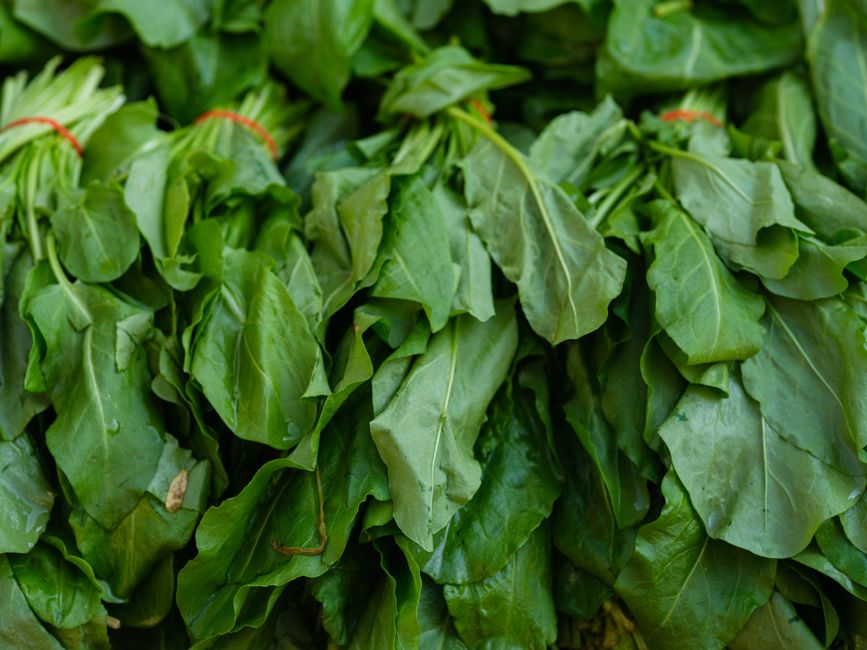
Other blockers include eggs, which contain a protein that inhibits iron absorption, and foods high in oxalates like spinach and Swiss chard. Interestingly, spinach is often recommended for iron, but its iron is poorly absorbed because of its oxalate content. Pairing spinach with vitamin C helps counteract this effect.




How To Time Your Meals for Maximum Iron Absorption
Timing matters as much as pairing. The goal is to separate iron-rich meals from the foods and drinks that block absorption.
If you drink coffee or tea, wait at least one hour after a meal before your next cup. The same applies to dairy products. Eating yogurt with breakfast cereal that is fortified with iron is a common habit, but the calcium in the yogurt reduces how much iron you absorb from the cereal.
If you take an iron supplement, take it on an empty stomach when possible. Iron absorbs best when your stomach acid is not busy digesting a large meal. If iron supplements cause stomach upset, which is common, taking them with a small amount of food is acceptable. Just avoid taking them with dairy, tea, coffee, or high-fiber foods.
Consistency matters more than perfection. You do not need to obsess over every meal. Focus on the meals where you eat the most iron and adjust those.
Does Cooking Method Change Iron Absorption?
Yes. Cooking in a cast iron pan can increase the iron content of food, especially acidic foods like tomato sauce. The acid leaches iron from the pan into the food. This is a well-documented effect, though the amount of iron added varies.
Cooking methods that reduce phytates also help. Soaking beans and lentils overnight before cooking them reduces their phytate content. Fermenting grains, as in sourdough bread, has a similar effect. These traditional food preparation methods improve mineral availability, not just for iron but for zinc and calcium as well.
Vitamin C is sensitive to heat. Boiling vegetables destroys much of their vitamin C content. Steaming or eating vitamin C-rich foods raw preserves more of the nutrient. If you are relying on cooked vegetables for vitamin C, you may not get the absorption boost you expect.
When Diet Alone Is Not Enough
Dietary changes can improve iron absorption, but they may not correct a significant deficiency. If your iron stores are very low, or if you have anemia, food alone is often insufficient. This is especially true for people with heavy menstrual bleeding, pregnant women, or people with conditions that cause chronic blood loss.
Iron deficiency anemia is diagnosed with a blood test. The key markers are ferritin, which reflects your stored iron, and hemoglobin, which reflects the oxygen-carrying capacity of your blood. Normal ferritin levels are generally considered to be 30 to 300 ng/mL for adults, though reference ranges vary by laboratory. Hemoglobin below 12 g/dL for women and below 13 g/dL for men indicates anemia.
If a blood test confirms iron deficiency, an iron supplement is usually the most effective treatment. This is a medical decision. Do not self-diagnose or self-treat with high-dose iron supplements, because excess iron can be toxic. Your doctor can determine the right dose and form of iron for your situation.
Some people do not absorb oral iron well even with dietary changes. In these cases, doctors may recommend intravenous iron. This is reserved for specific situations and is not a first-line treatment.
Who Is Most at Risk for Low Iron?
Certain groups face a higher risk of iron deficiency and need to be more careful about absorption.
- Women of reproductive age lose iron through menstruation each month.
- Pregnant women need more iron to support the growing fetus and increased blood volume.
- Vegetarians and vegans rely entirely on non-heme iron, which is harder to absorb.
- People with digestive conditions like celiac disease or Crohn’s disease may absorb iron poorly.
- Athletes lose iron through sweat and from the physical impact of training.
- Older adults may have reduced stomach acid, which impairs iron absorption.
If you fall into one of these groups, paying attention to food pairings is more important. But even with perfect food pairing, some people will still need supplements. There is no shame in that. Diet and supplements work together.
What About Iron Supplements and Vitamin C Together?
Taking vitamin C alongside an iron supplement can improve absorption, but the effect is smaller than many people think. The biggest benefit of vitamin C is for non-heme iron in food. For supplements, the form of iron matters more.
Ferrous sulfate, ferrous fumarate, and ferrous gluconate are the most common forms of iron in supplements. These are well absorbed and generally inexpensive. Slow-release and enteric-coated formulas are designed to reduce stomach upset, but they may be absorbed less well because the iron is released lower in the digestive tract.
Taking your iron supplement with a small glass of orange juice is a reasonable habit. But do not take iron with calcium supplements, antacids, or proton pump inhibitors. These reduce stomach acid or bind to iron, and both effects reduce absorption.
Frequently Asked Questions
What is the fastest way to increase iron absorption?
Pairing iron-rich foods with vitamin C is the fastest and most reliable dietary method. A glass of orange juice or a serving of strawberries with your meal can significantly boost absorption.
Does coffee really block iron absorption?
Yes. The polyphenols in coffee bind to non-heme iron and reduce absorption. Waiting at least one hour after a meal before drinking coffee minimizes this effect.
Can you take iron and vitamin C together?
Yes, taking vitamin C with an iron supplement can improve absorption. A small glass of orange juice or a vitamin C supplement taken with your iron is a common recommendation.
How long does it take to correct iron deficiency?
With supplements, it typically takes two to three months to restore iron stores, but this varies by person. A follow-up blood test is needed to confirm your levels have normalized.
