
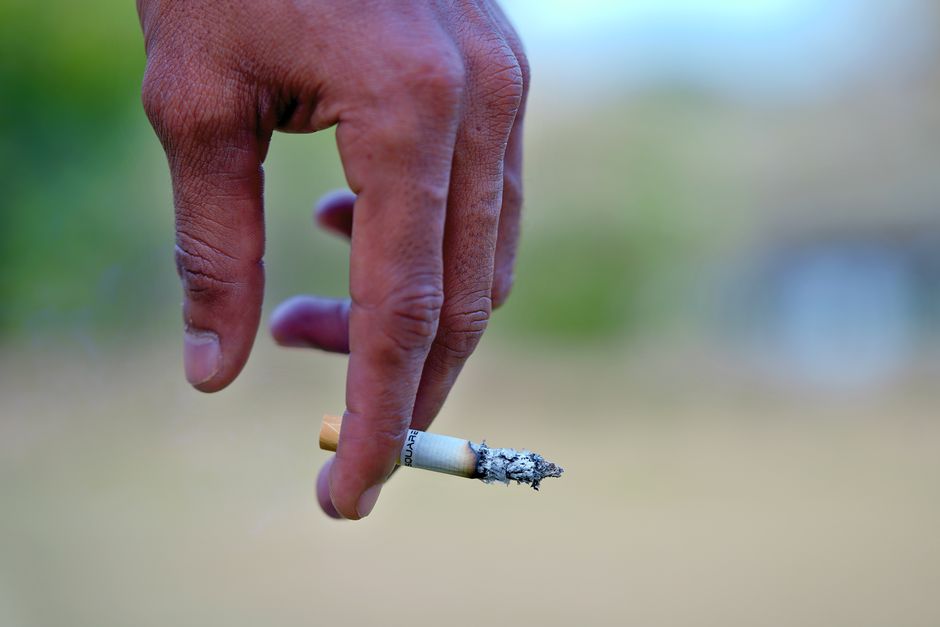
The lungs have a built-in cleaning system. After you stop smoking, they begin to repair themselves. No pill, tea, or supplement can instantly “clean” your lungs. The real work happens inside your body over time as you stop bringing in smoke and allow your natural defenses to recover. The best way to clean your lungs from smoking naturally is to quit smoking first, then support your body’s own repair processes with exercise, hydration, and a healthy diet.
Can your lungs actually clean themselves?
Yes. Your lungs have a natural cleaning system called mucociliary clearance. Tiny hair-like structures called cilia line your airways. They wave back and forth to sweep mucus and trapped particles out of your lungs. Smoking paralyzes and destroys these cilia. When you quit, the cilia slowly recover and start working again. This is why many people cough more after quitting — the lungs are clearing out built-up mucus and debris.
The process is not instant. It takes months to years for full recovery depending on how long and how heavily you smoked. But the body does the cleaning itself. No external product can replace or speed this process beyond what your body is already capable of.
How the lungs heal after quitting smoking
Healing begins within days of your last cigarette. Within 1 to 9 months, cilia regrow and mucus clearance improves. Coughing and shortness of breath often decrease during this time. Over several years, the risk of lung disease drops significantly.
The key factor is stopping all smoke exposure. Continuing to smoke, even a few cigarettes a day, prevents healing. Secondhand smoke and vaping also delay recovery. The lungs cannot repair themselves if they are constantly irritated by smoke or aerosol.
Some damage may be permanent. If you have developed chronic bronchitis or emphysema, those changes do not reverse. But quitting stops further damage and improves symptoms. That is the most powerful step you can take.
What natural methods actually help?
No single food or exercise cleans your lungs. But several lifestyle habits support the healing process.
Regular exercise
Exercise strengthens your breathing muscles and improves circulation to the lungs. It also encourages deeper breathing, which helps move mucus out of small airways. Walking, cycling, swimming, and jogging are all effective. Start at a comfortable level. If you feel short of breath, slow down. The goal is consistency, not intensity.
Hydration
Drinking enough water keeps mucus thin and easier to cough up. Aim for 8 to 10 cups of fluid per day unless your doctor advises differently. Warm fluids like tea or broth may be especially soothing.
Steam and humidity
Inhaling steam from a shower or a bowl of hot water can loosen mucus. A humidifier in your bedroom may help if the air is dry. There is no strong evidence that steam treatments speed lung healing, but they can make breathing more comfortable and help with mucus clearance.
Deep breathing exercises
Slow, deep breaths help expand small air sacs in the lungs. This can improve oxygen exchange and help clear mucus. One simple method: breathe in slowly through your nose for 4 seconds, hold for 4 seconds, breathe out through your mouth for 6 seconds. Repeat several times a day. Some studies suggest breathing exercises improve quality of life for people with chronic lung conditions, but they do not reverse damage from smoking.
Diet and nutrients
No specific food cleans lungs. However, an overall healthy diet provides the raw materials your body needs for repair. Antioxidant-rich foods like fruits and vegetables — especially berries, leafy greens, and citrus — may help reduce inflammation. Vitamin C and vitamin E are important for lung tissue health. But taking high-dose supplements has not been shown to improve lung function. Getting nutrients from food is the safer and more effective approach.


What does not work? Popular myths to avoid
Many products claim to “detox” or “cleanse” your lungs. No clinical evidence supports this. Herbal supplements, lung cleanse teas, and “smoker’s detox” kits are not proven to remove smoke residue or repair lung tissue. Some ingredients may even irritate the lungs or interact with medications.
Salt therapy (halotherapy) and oxygen bars also lack strong evidence for lung cleansing in former smokers. Sitting in a salt room may feel relaxing, but it does not remove tar or repair cilia. Similarly, “lung flushing” with essential oils or steam with vinegar is not supported by research and could cause harm.
The only proven way to support lung healing is to stop smoking and give your body time. No shortcut exists.
When to see a doctor about your lungs
If you have smoked for many years, it is wise to talk with your doctor even if you feel fine. They can check your lung function with a simple breathing test called spirometry. New or worsening symptoms — chronic cough, coughing up blood, chest pain, unexplained weight loss, or shortness of breath with minimal activity — need medical evaluation. Lung cancer and chronic obstructive pulmonary disease (COPD) are more common in former smokers, and early detection improves outcomes.
Do not rely on home remedies to treat symptoms that could be serious. If you are concerned, see a healthcare provider.
Frequently Asked Questions
How long does it take for lungs to heal after quitting smoking?
Healing begins within days. Cilia start regrowing within weeks, and mucus clearance improves over months. Full recovery can take 1 to 9 months for major improvement, but some changes may persist for years or be permanent depending on the amount of damage.
Can steam or saunas clean your lungs from smoking?
Steam and saunas may temporarily loosen mucus and make breathing more comfortable, but they do not remove tar or repair lung tissue. They are not a substitute for quitting smoking.
Are there any foods that help repair lungs after smoking?
No single food repairs lungs. However, a diet rich in fruits, vegetables, whole grains, and lean protein provides nutrients that support overall tissue repair and reduce inflammation. Antioxidants from foods like berries and leafy greens may be helpful.
Is it possible to remove tar from your lungs naturally?
No. Tar is not physically removed by any drink, food, or exercise. Your body breaks down and clears tar particles slowly through its own immune and clearance systems over time after you stop smoking.
