
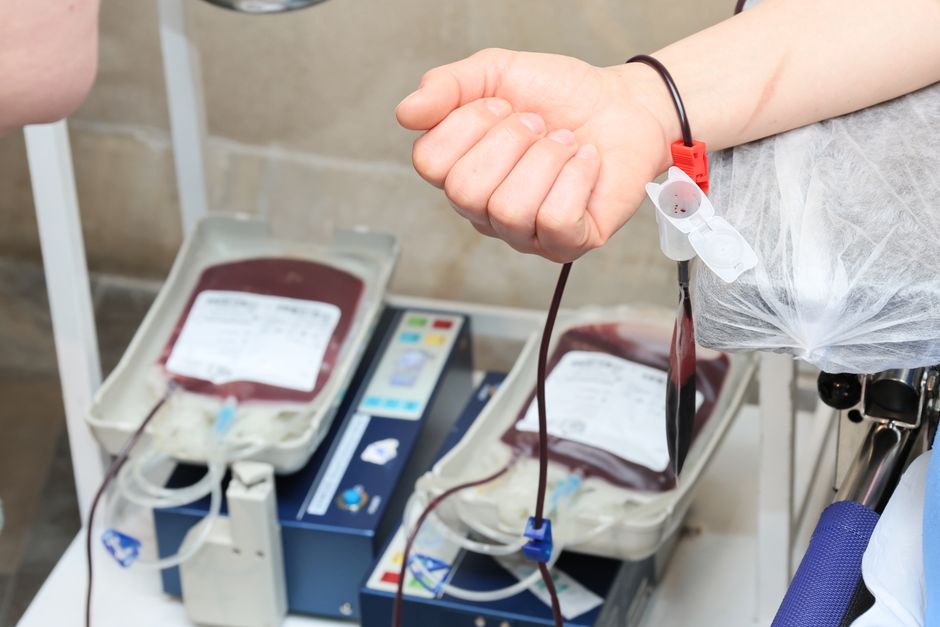
Low blood volume, often called low blood count or anemia, leaves you feeling tired, dizzy, and short of breath. The most reliable way to increase blood in your body is to give it the raw materials it needs to build new red blood cells. This means eating enough iron, vitamin B12, and folate, while also supporting your body’s ability to absorb these nutrients. For most people, dietary changes are the first and most effective step, though severe cases require medical treatment.
What Does “Increasing Blood” Actually Mean?
When people talk about increasing blood, they usually mean raising their hemoglobin level. Hemoglobin is the protein inside red blood cells that carries oxygen. If your hemoglobin is low, your tissues get less oxygen, which causes fatigue and weakness.
Your body constantly makes new red blood cells in your bone marrow. To do this, it needs specific nutrients. Without these building blocks, production slows down. The result is fewer red blood cells circulating in your body.
It helps to think of blood production like a factory. Iron is the main raw material. Vitamin B12 and folate are the quality control workers. If any of these are missing, the assembly line stalls.
How To Increase Blood In Your Body Foods And Tips: The Core Nutrients
Three nutrients matter most for red blood cell production. You need all three in adequate amounts. Missing just one can limit your blood count even if the others are plentiful.
Iron is the central component of hemoglobin. Your body absorbs iron from food in two forms. Heme iron comes from animal sources and is absorbed easily. Non-heme iron comes from plants and is absorbed less efficiently.
Vitamin B12 is essential for red blood cell formation and nerve health. Your body stores B12 in the liver, so a deficiency can take years to show up. Once stores run out, red blood cell production drops sharply.
Folate, also called vitamin B9, is needed for cell division. Red blood cells divide rapidly, so they need a steady supply. Folate deficiency causes a specific type of anemia where red blood cells are large and immature.
Best Iron-Rich Foods for Building Blood
Animal sources provide the most absorbable iron. If you eat meat, these are your most efficient options:
- Lean red beef and lamb
- Organ meats such as liver
- Poultry, especially dark meat
- Fish and shellfish, particularly clams and oysters
Plant sources contain non-heme iron. These are still valuable, especially if you follow a vegetarian or vegan diet:
- Lentils and beans
- Tofu and tempeh
- Spinach and other dark leafy greens
- Fortified breakfast cereals
- Pumpkin seeds and sesame seeds
- Dried fruit such as raisins and apricots
One common mistake is eating iron-rich foods with things that block absorption. Calcium, tannins in tea and coffee, and phytates in whole grains can reduce how much iron you absorb. This does not mean you should avoid these foods entirely. It just means timing matters. Have your coffee or tea between meals rather than with them.

How Vitamin C Boosts Iron Absorption
Vitamin C is the most reliable absorption enhancer for non-heme iron. When you eat plant-based iron, pairing it with vitamin C can increase absorption significantly.
This is a simple strategy that requires no supplements. Add a squeeze of lemon to your lentil soup. Have strawberries with your fortified cereal. Eat bell peppers alongside your bean burrito. The effect is real and measurable.
Some research suggests that vitamin C can double or triple iron absorption from plant sources. This makes it especially important for people who do not eat meat, since they rely entirely on non-heme iron.
Foods Rich in Vitamin B12 and Folate
Vitamin B12 is found almost exclusively in animal products. If you eat meat, fish, eggs, or dairy, you are likely getting enough. Strict vegans are at higher risk of deficiency and may need fortified foods or supplements.
Good B12 sources include:
- Clams and mussels
- Fish such as salmon and trout
- Beef liver
- Eggs
- Milk and yogurt
- Fortified plant milks and nutritional yeast
Folate is abundant in plant foods. Unlike B12, it is easy to get enough from a varied diet. Good sources include:
- Dark leafy greens like spinach and collard greens
- Asparagus and Brussels sprouts
- Beans and peas
- Citrus fruits and bananas
- Fortified grains and cereals
Folate is water-soluble and sensitive to heat. Cooking vegetables in large amounts of water can leach it out. Steaming or light sautéing preserves more folate than boiling.
Lifestyle Tips That Support Healthy Blood Production
Food is only part of the picture. Several lifestyle factors affect how well your body builds blood.
Cook in cast iron cookware. This is not folklore. Acidic foods like tomato sauce cooked in cast iron absorb measurable amounts of iron from the pan. The effect is small but consistent, and it costs nothing.
Space out your iron sources. Your body absorbs heme and non-heme iron through different pathways. Eating a variety of sources across the day is more effective than loading up at one meal.
Limit alcohol. Heavy drinking interferes with folate absorption and can damage bone marrow directly. If you drink, moderation is the standard advice.
Get enough sleep. Red blood cell production is a continuous process. Chronic sleep deprivation does not directly cause anemia, but it worsens fatigue and makes it harder to recover from any deficiency.
When Food Is Not Enough: Supplements and Medical Care
Dietary changes work well for mild deficiencies. They are not always enough for more serious cases. If your hemoglobin is significantly low, you may need iron supplements or medical treatment.
Iron supplements are effective but come with side effects. Constipation, nausea, and stomach cramping are common. Taking iron with food reduces these symptoms but also reduces absorption. Some clinicians recommend taking iron every other day rather than daily, since this may improve absorption while reducing side effects.
Do not start iron supplements on your own without a blood test. Too much iron is harmful. Your body has no efficient way to excrete excess iron, and buildup can damage your liver and heart over time.
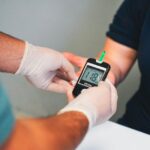
You should see a doctor if you have persistent fatigue, pale skin, shortness of breath, or cold hands and feet. These symptoms warrant a blood test. A complete blood count will show your hemoglobin level and help identify the cause of your low blood count.
Anemia is not always caused by nutrient deficiency. Chronic disease, kidney problems, blood loss, and bone marrow disorders can all cause low blood counts. If your blood test shows anemia, your doctor will need to determine the underlying cause before recommending treatment.
There is no clinical evidence that any single food or supplement can cure anemia quickly. Be wary of products claiming to boost blood overnight. Real blood production takes time because your body must create new red blood cells, a process that typically takes weeks.
Common Myths About Increasing Blood
Several popular beliefs about boosting blood are not supported by evidence.
Beetroot does not cure anemia. Beetroot contains iron, but not in unusually high amounts. Its deep red color leads people to assume it builds blood, but the color comes from betalains, not hemoglobin. Eating beets is healthy, but it is not a miracle blood builder.
Blackstrap molasses is not a reliable iron source. It does contain iron, but the amount varies by brand and batch. It can contribute to your intake, but it should not be your primary strategy.
Spinach is not as iron-rich as Popeye suggested. The original data that made spinach famous was based on a decimal point error. Spinach does contain iron, but also contains oxalates that reduce absorption. It is a useful part of a varied diet, not a stand-alone solution.
Red meat is not automatically bad for you. Lean red meat in moderate amounts is one of the most efficient ways to increase iron intake. The key is balance and portion control, not elimination.
Frequently Asked Questions
How long does it take to increase blood with food?
Most people see improvement in hemoglobin levels within two to four weeks of consistent dietary changes. Full correction of a deficiency can take two to three months.
Can drinking water increase blood volume?
Water increases plasma volume temporarily but does not increase red blood cell count. Proper hydration supports circulation but cannot fix anemia.
What fruit is best for increasing blood?
No single fruit can increase blood on its own. Citrus fruits are valuable because their vitamin C helps your body absorb iron from other foods.
Is it safe to take iron supplements without a blood test?
No. Excess iron accumulates in your body and can damage organs. Always get a blood test before starting iron supplements.
