
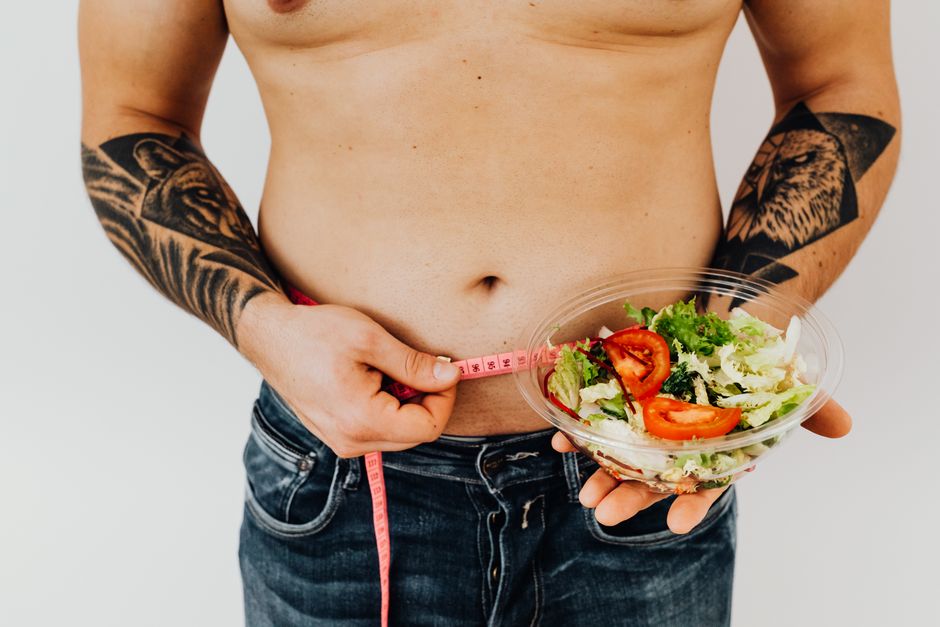
Your gut microbiome is the collection of trillions of bacteria, viruses, and fungi living in your digestive tract. These microbes do far more than help digest food—they influence your immune system, mood, energy levels, and even how your body processes nutrients. The good news is that your microbiome is not fixed. It changes based on what you eat and how you live. Improving it comes down to a few proven strategies: eating more fiber, adding fermented foods, limiting ultra-processed foods, and managing stress and sleep.
What Is the Gut Microbiome and Why Does It Matter?
The gut microbiome is a complex ecosystem of microorganisms that live primarily in your large intestine. These microbes break down fiber and other compounds that your body cannot digest on its own. In doing so, they produce short-chain fatty acids—substances that feed the cells lining your colon and support a healthy gut barrier.
A balanced microbiome is linked to better digestion, a stronger immune response, and lower levels of inflammation. Research consistently shows that people with diverse gut bacteria tend to have better metabolic health. Diversity means having many different species of bacteria, not just a high number of one type. A diverse microbiome is generally considered a marker of good gut health.
How To Improve Your Gut Microbiome Diet Lifestyle Tips: What Foods Help Most?
The single most effective dietary change for your gut microbiome is increasing your fiber intake. Fiber is the primary food source for beneficial gut bacteria. When bacteria ferment fiber, they produce short-chain fatty acids like butyrate, which reduces inflammation and supports colon health.
Most adults in the United States get far less fiber than recommended. The USDA recommends around 25 to 38 grams per day for adults, yet most people consume roughly half that amount. You can increase fiber by adding:
- Whole grains such as oats, barley, and brown rice
- Legumes including lentils, chickpeas, and black beans
- Vegetables like broccoli, artichokes, and Brussels sprouts
- Fruits such as apples, bananas, and berries
- Nuts and seeds, especially flaxseed and chia seeds
When you increase fiber, do it gradually. A sudden jump can cause bloating and gas. Add a few extra grams per day over several weeks and drink plenty of water.
Fermented foods are another important addition. Foods like yogurt with live cultures, kefir, sauerkraut, kimchi, and kombucha introduce beneficial bacteria directly into your gut. Some research suggests that regularly consuming fermented foods can increase microbial diversity and reduce markers of inflammation. Look for products that state “live and active cultures” on the label—not all fermented products contain them.
Which Foods Harm Your Gut Microbiome?
Ultra-processed foods are consistently linked to lower gut microbial diversity. These products often contain emulsifiers, artificial sweeteners, and preservatives that can disrupt the balance of bacteria in your gut. Examples include packaged snacks, sugary drinks, processed meats, and many ready-to-eat meals.
Artificial sweeteners deserve special attention. Some studies suggest that sweeteners like saccharin and sucralose can alter the gut microbiome in ways that affect glucose metabolism. However, the research is mixed, and not all sweeteners appear to have the same effects. The evidence is strong enough that it is reasonable to limit them, but no large human trials have confirmed harm at typical intake levels.
Excess alcohol also affects gut bacteria. Heavy drinking is associated with increased intestinal permeability—sometimes called “leaky gut”—and shifts in microbial composition. Moderate intake appears less harmful, but the safest approach for gut health is to keep alcohol consumption low.



How Do Lifestyle Factors Like Sleep and Stress Affect Gut Bacteria?
Your gut and brain communicate directly through the vagus nerve. This connection means stress and sleep patterns can change your microbiome. Chronic stress triggers the release of hormones that can alter gut motility and increase inflammation, which shifts the environment where bacteria live.
Sleep also matters. Your gut bacteria follow a circadian rhythm, just like you do. Disrupted sleep patterns are associated with reduced microbial diversity and a higher abundance of bacteria linked to weight gain. Studies have found that people who sleep poorly tend to have less diverse gut microbiomes than those who sleep well.
Physical activity is another piece of the puzzle. Regular exercise is associated with greater microbial diversity, independent of diet. This does not mean you need intense training—moderate activity like brisk walking for 30 minutes most days appears sufficient.
Some clinicians recommend stress-reduction practices like meditation or deep breathing for gut health. The evidence for these practices improving the microbiome directly is limited, but reducing stress clearly benefits digestion and overall health. Lowering stress is unlikely to harm your gut, and it may help indirectly through better food choices and improved sleep.
Should You Take Probiotics or Prebiotics?
Probiotics are live bacteria taken as supplements or in foods. Prebiotics are types of fiber that feed the bacteria already living in your gut. Both are popular, but the evidence for supplements is more complicated than marketing suggests.
Probiotic supplements can be helpful in specific situations. Some research shows they reduce antibiotic-associated diarrhea and may help with certain digestive conditions like irritable bowel syndrome. However, no single probiotic strain works for everyone. Different strains have different effects, and the quality of supplements varies widely. If you are considering a probiotic, choose one with specific strains that have been studied for your particular concern.
Prebiotic supplements are simpler. They are essentially concentrated fiber, and they work by feeding the bacteria you already have. Foods naturally rich in prebiotic fiber include garlic, onions, leeks, asparagus, and bananas. Getting prebiotics from food is generally preferable to supplements because you also get other beneficial nutrients.
No clinical guidelines currently exist for routine probiotic or prebiotic supplementation in healthy people. If you are healthy, the best approach is to get both from food rather than relying on supplements.
How Long Does It Take To Improve Your Gut Microbiome?
Your gut microbiome responds quickly to dietary changes. Studies show that shifts in microbial composition can occur within days of changing your diet. However, these changes are not always permanent. If you return to your old eating patterns, your microbiome often returns to its previous state.
Sustained changes take longer. Research suggests that maintaining a high-fiber, diverse diet for several months is needed to see meaningful and lasting shifts in microbial diversity. The exact timeline varies from person to person based on your starting point, genetics, and how consistently you stick with the changes.
One important note: fiber only works if bacteria can reach it. Highly processed fiber supplements do not always provide the same benefit as whole foods. The structure of fiber in whole plant foods matters because it affects how slowly it moves through your digestive system and how much fermentation occurs.
Can Antibiotics Permanently Damage Your Gut?
Antibiotics are essential medications that save lives, but they also kill beneficial bacteria along with harmful ones. A single course of antibiotics can reduce microbial diversity for weeks or months. Some research suggests that repeated courses may lead to longer-lasting changes, but the gut is generally resilient.
Most people recover their baseline microbiome after antibiotics without any intervention. Eating a diverse, fiber-rich diet after a course of antibiotics may help speed recovery. Some clinicians recommend fermented foods during and after antibiotic treatment, though the evidence for this is mixed.
You should never avoid taking prescribed antibiotics out of fear for your gut. The risks of untreated bacterial infections far outweigh the temporary disruption to your microbiome. If you are concerned, talk to your doctor about strategies to support your gut during and after treatment.
Frequently Asked Questions
What is the fastest way to improve my gut microbiome?
Adding fiber-rich plant foods and fermented foods to your daily diet is the fastest evidence-based approach. Changes in gut bacteria can begin within days, though lasting diversity takes weeks to months of consistent eating.
Are fermented foods better than probiotic supplements?
Fermented foods provide live bacteria along with vitamins and other nutrients, and some research suggests they may be more effective than supplements. Probiotic supplements can still help in specific situations, but food sources are generally a better first choice.
Does drinking coffee affect gut bacteria?
Coffee contains fiber and polyphenols that can feed beneficial gut bacteria. Some studies associate regular coffee consumption with greater microbial diversity, though the effect is modest compared to a high-fiber diet overall.
Can I improve my gut microbiome without changing my diet?
Improving sleep, reducing stress, and exercising regularly can all support gut health, but diet has the strongest influence. You cannot fully compensate for a poor diet with lifestyle changes alone.
