
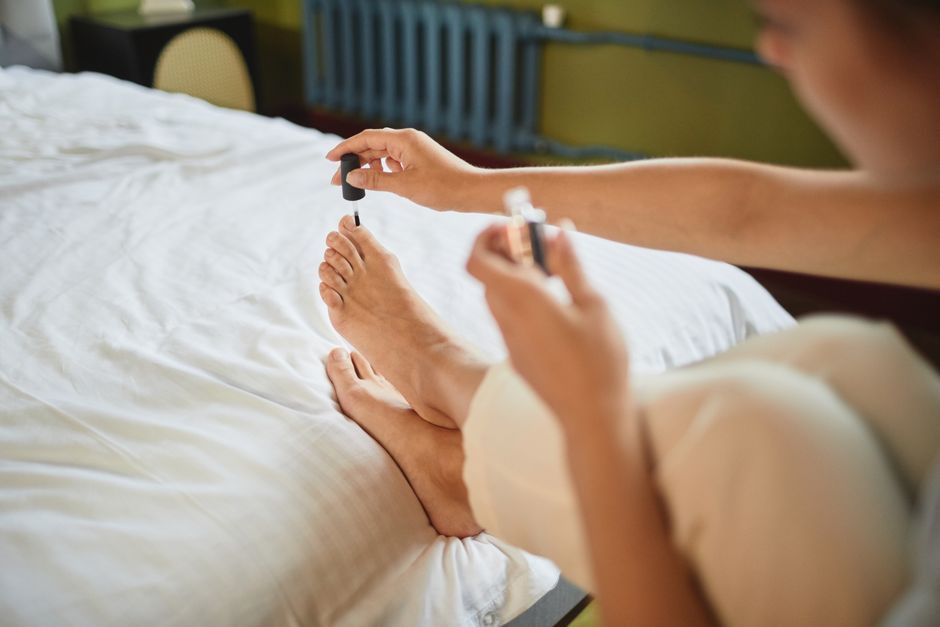
Healthy toenails are more than a cosmetic detail. They protect the sensitive nail bed beneath them and can signal how well your body is managing everyday wear and tear. Improving toenail health naturally starts with consistent daily habits: keep them clean and dry, trim them straight across, and protect them from injury. Most nail problems — discoloration, thickening, brittleness — respond well to these basics. If a nail issue persists despite good care, it may point to something that needs a doctor’s attention.
What Causes Common Toenail Problems?
Toenails grow slowly — about 1 millimeter per month. That means a full replacement takes 12 to 18 months. Damage done today may not show up for months. This slow growth also means problems build quietly.
The most common causes of unhealthy toenails include:
- Fungal infection — the leading cause of thick, yellow, or crumbling nails
- Repeated trauma — from tight shoes, running, or stubbing your toe
- Poor circulation — less blood flow means slower growth and weaker nails
- Moisture buildup — sweat trapped in shoes creates a breeding ground for fungus
- Nutritional gaps — though less common than people think
Fungal infections are the big one. They account for about half of all nail disorders. The fungus thrives in warm, damp environments — exactly what your shoes provide after a long day.
How To Improve Toenail Health Naturally
The natural approach to toenail health is straightforward: create an environment where nails can grow strong and stay free of infection. You do not need expensive products. You need consistency.
Start with these core habits:
- Wash your feet daily with plain soap and water. Dry thoroughly, especially between toes.
- Trim nails straight across after bathing when they are softer. File any sharp edges.
- Wear breathable shoes and moisture-wicking socks. Alternate shoes so they dry out between wears.
- Keep nails at a moderate length — not too short, not too long.
- Moisturize the nail and cuticle with a simple lotion or oil, but keep the area dry before applying.
These habits work because they address the two main threats to toenails: physical damage and fungal growth. There is no single vitamin or supplement that fixes toenails. The evidence for biotin improving nail strength is mixed, and no large trials have confirmed it works for toenails specifically.
Does Diet Affect Toenail Health?
Nails are made of keratin — a protein also found in hair and skin. Your body needs adequate protein to build keratin. But severe nutritional deficiency is rarely the cause of nail problems in otherwise healthy people eating a normal diet.
Some research suggests that certain nutrients play a role in nail strength. Iron, zinc, and B vitamins are often mentioned. But the evidence linking these to visible nail improvement is limited. If your nails are healthy and you eat a balanced diet, adding supplements is unlikely to change anything.
A more honest statement: if you have a true deficiency — such as low iron — correcting it may improve nail health. But self-diagnosing a deficiency from nail appearance alone is unreliable. Blood tests are the only accurate way to know.
What matters more than any single nutrient is adequate hydration and overall nutrition. Dehydration can make nails brittle. A diet consistently low in protein may slow nail growth. These are general effects, not targeted cures.




Can Natural Remedies Treat Toenail Fungus?
This is where marketing gets loud. Tea tree oil, vinegar soaks, garlic, and hydrogen peroxide are all promoted as natural cures for nail fungus. The honest answer: none of these have strong clinical evidence behind them.
Some small studies have looked at tea tree oil for fungal nail infections. Results have been mixed and the studies were small. No large human trials have confirmed that any home remedy reliably cures toenail fungus.
Vinegar soaks are popular because fungus prefers a less acidic environment. The logic makes sense. But soaking your feet in vinegar does not penetrate the nail plate deeply enough to kill fungus living in the nail bed. It may help prevent surface fungus, but it will not clear an established infection.
If you suspect a fungal infection, the evidence-based options are medicated topical treatments or oral prescription medication. Topical treatments work best for mild, early infections. Oral medication is more effective but requires a doctor’s prescription and monitoring. Natural remedies can be part of a prevention routine, but relying on them alone for an active infection usually means the infection spreads.
How To Prevent Ingrown Toenails
Ingrown toenails happen when the edge of the nail grows into the surrounding skin. They are painful, often become infected, and are largely preventable.
The leading cause is improper trimming. Cutting nails too short, rounding the corners, or tearing them creates a sharp edge that digs into skin. The fix is simple: trim straight across and do not cut into the corners.
Footwear matters too. Shoes that are too narrow or too short squeeze the toes and press the nail into the skin. This is especially common in people who wear dress shoes or pointed footwear.
If an ingrown nail develops, warm water soaks can ease discomfort. But if there is significant pain, redness, or discharge, see a doctor. Do not try to dig the nail out yourself — this almost always makes things worse and can introduce bacteria.
When Should You See a Doctor About Toenails?
Most toenail issues do not require medical care. But some signs warrant attention:
- Thick, yellow, or crumbling nails that do not improve with good hygiene
- Pain, swelling, or redness around the nail
- Dark streaks or spots under the nail
- Nail separation from the nail bed
- Slow healing of any wound near the nail
Dark streaks or spots deserve special mention. Most are harmless — often from a bruise. But a dark line that grows or changes shape should be evaluated. It can be a sign of subungual melanoma, a rare form of skin cancer. Do not assume it is just a bruise.
People with diabetes need extra caution. Reduced circulation and nerve sensation in the feet mean minor nail injuries can become serious infections quickly. If you have diabetes, any nail problem that does not resolve within a week or two deserves medical attention.
Do Nail Supplements Actually Work?
The supplement industry sells a lot of nail products. Most make claims that outpace the evidence.
Biotin is the most common ingredient in nail supplements. Some studies have shown biotin can increase nail thickness and reduce splitting in people with brittle nails. But those studies were small and mostly involved fingernails. No clinical guidelines currently recommend biotin for toenail health specifically.
Collagen supplements are another popular option. Collagen is a protein, and your body does use it to build connective tissue. But the research on oral collagen for nail health is very limited. No large trials have confirmed a meaningful benefit.
The honest position: if you eat a normal diet, supplements are unlikely to change your toenails. If you want to try them, they are generally safe for healthy adults. But do not expect dramatic results, and do not use them as a substitute for good nail hygiene.
Frequently Asked Questions
How long does it take for toenails to improve with natural care?
Toenails grow about 1 millimeter per month, so visible improvement takes several months. Consistent care for 6 to 12 months is needed to see the full effect of better habits.
Can vinegar soaks cure toenail fungus?
No clinical evidence confirms vinegar soaks cure established nail fungus. They may help prevent surface fungus, but they do not penetrate the nail deeply enough to clear an active infection.
Is it safe to cut out an ingrown toenail at home?
No — attempting to dig out an ingrown nail at home usually makes it worse and can introduce infection. Soak the toe in warm water and see a doctor if pain or redness persists.
What vitamin deficiency causes brittle toenails?
Iron deficiency and low zinc levels have been linked to brittle nails, but this is not common in people eating a balanced diet. A blood test is the only accurate way to confirm a deficiency.
