
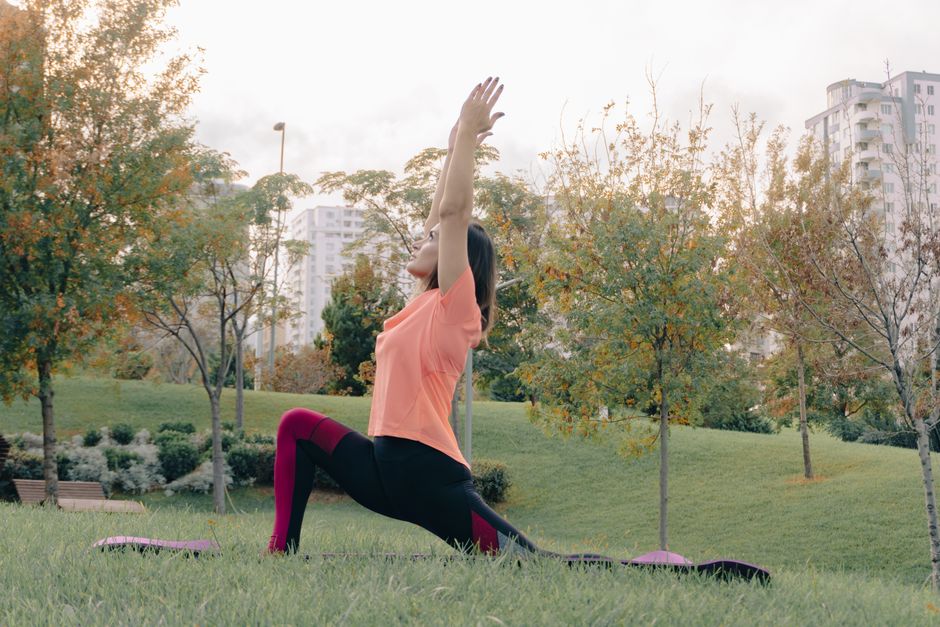
Your lungs work every minute of every day, moving oxygen into your blood and clearing out carbon dioxide. Most people never think about them until something goes wrong. But there are real, evidence-based steps you can take at home to improve how your lungs function and protect them from future damage. The most powerful ones are stopping smoking if you smoke, getting regular aerobic exercise, and improving the air quality in your home. These actions matter more than any supplement or breathing gadget on the market.
Why Lung Health Declines With Age
Lung capacity peaks in your late 20s. After that, it slowly declines. This is a natural part of aging. The chest wall becomes stiffer, and the air sacs inside the lungs lose some of their elasticity.
That does not mean decline is out of your control. The rate of decline depends heavily on lifestyle factors. People who exercise regularly and avoid smoking maintain better lung function for decades longer than people who do not. The goal is not to stop aging. It is to slow the process as much as possible.
How To Increase Lung Health Naturally At Home: The Core Steps
The single most effective thing you can do for your lungs is to stop smoking. If you smoke, quitting is not one option among many. It is the foundation that every other effort builds on. Within weeks of quitting, lung function starts to improve. Over years, the risk of lung disease drops significantly.
After quitting, the next most important step is aerobic exercise. Walking briskly, cycling, swimming, or jogging forces your lungs to work harder. This strengthens the muscles that support breathing and improves how efficiently your lungs exchange oxygen. Aim for at least 150 minutes of moderate-intensity aerobic activity per week. That is the standard recommendation from public health authorities, and it applies to lung health as much as heart health.
Indoor air quality is the third pillar. Most people spend the vast majority of their time indoors. Common household pollutants — dust, mold, pet dander, and fumes from cleaning products — can irritate airways. A good air purifier with a HEPA filter can help. Ventilating your home by opening windows regularly also reduces indoor pollutant buildup.
Breathing Exercises: What They Actually Do
Breathing exercises are popular, but they are often oversold. They do not increase lung capacity in healthy people. What they do is improve how efficiently you use the lung capacity you already have.
Diaphragmatic breathing, sometimes called belly breathing, trains you to use your diaphragm more effectively. Many people are shallow chest breathers, especially when stressed. Shallow breathing uses only the upper part of the lungs. Diaphragmatic breathing engages the full lung volume.
To try it, sit or lie down comfortably. Place one hand on your chest and one on your belly. Breathe in slowly through your nose, focusing on pushing your belly out. Your chest should stay relatively still. Exhale slowly through your mouth. Practice this for five minutes, twice a day.
Pursed-lip breathing is another technique. Breathe in through your nose, then exhale slowly through pursed lips, as if you are blowing through a straw. This creates mild back-pressure in the airways, which can help keep them open. It is especially helpful for people with chronic obstructive pulmonary disease, but healthy people can use it too.
These exercises are safe and inexpensive. They will not cure lung disease, but they can improve breathing efficiency and reduce shortness of breath during daily activities.




Physical Activity That Specifically Helps Lungs
Any aerobic exercise helps your lungs. But some forms are particularly effective at challenging the respiratory system.
Brisk walking is the most accessible starting point. It requires no equipment and can be done anywhere. Over time, you can increase your pace or add hills to make it harder.
Swimming is excellent for lung health. It requires coordinated breathing patterns and works the muscles of the chest and back. The humid environment of a pool can also be easier on sensitive airways than dry indoor air.
Interval training — alternating short bursts of intense effort with recovery periods — pushes your lungs harder than steady-state exercise. This can improve your body’s ability to move oxygen rapidly. A simple version is alternating 30 seconds of fast walking with 60 seconds of normal walking, repeated for 15 minutes.
Strength training matters too. Stronger core and chest muscles make breathing easier. Your diaphragm sits below your lungs, and your abdominal muscles help drive it. Exercises like planks, bridges, and seated rows build the muscular support that breathing relies on.
Diet and Hydration: What the Evidence Shows
No food or supplement has been proven to directly increase lung capacity. But diet does influence lung health over time.
Antioxidants are relevant here. The lungs are constantly exposed to oxygen, which creates oxidative stress. Antioxidants like vitamin C, vitamin E, and beta-carotene help neutralize this stress. Studies have found that people with higher intakes of fruits and vegetables tend to have better lung function. This is an association, not proof of causation, but the link is consistent across multiple studies.
Specific foods worth including are apples, tomatoes, leafy greens, and berries. Apples contain quercetin, a flavonoid with anti-inflammatory properties. Tomatoes contain lycopene, another antioxidant. Neither has been shown to prevent lung disease, but they are part of a dietary pattern associated with better respiratory health.
Hydration is simpler and often overlooked. Your airways are lined with a thin layer of mucus that traps particles and helps clear them. When you are dehydrated, this mucus becomes thicker and harder to clear. Drinking enough water — roughly eight glasses a day for most adults — keeps this mucus thin and functional. There is no evidence that extra hydration beyond normal needs improves lung function.
Home Environment Changes That Protect Your Lungs
Your home environment directly affects your airways. Several changes can reduce the irritants you breathe in daily.
Control dust mites. They thrive in bedding, carpets, and upholstered furniture. Washing bedding in hot water weekly and using allergen-proof covers on pillows and mattresses reduces their presence.
Manage mold and humidity. Mold spores are a common respiratory irritant. Keep indoor humidity between 30 and 50 percent. Use exhaust fans in bathrooms and kitchens. Fix leaks promptly. If you see visible mold, clean it with a diluted bleach solution or a commercial mold remover.
Be careful with cleaning products. Many household cleaners release volatile organic compounds that can irritate airways. Choose fragrance-free or naturally derived products when possible. Always ventilate the area while cleaning.
Consider a HEPA air purifier for bedrooms and living areas. These devices trap fine particles, including dust, pollen, and smoke. They are most helpful for people with allergies or asthma, but they benefit anyone living in areas with high outdoor air pollution.
If you have a gas stove, ensure it is properly vented. Gas combustion produces nitrogen dioxide, which can irritate lungs. Use the exhaust hood every time you cook, even for short tasks.
What Does Not Work: Supplements and Devices
The market is full of products claiming to boost lung health. Most have no evidence behind them.
Lung-cleanse supplements, herbal detox teas, and oxygen-boosting pills are not supported by clinical research. No supplement has been shown to remove toxins from lungs or increase lung capacity. Your lungs have their own cleaning mechanism — tiny hair-like structures called cilia that sweep mucus and particles upward and out. No product improves this process beyond what normal hydration and exercise already do.
Breathing trainers and resistance devices are a different case. Some, like inspiratory muscle trainers, have evidence for use in specific conditions like COPD or in athletes. For a healthy person, they offer little benefit over regular aerobic exercise. They are not harmful, but they are not necessary.
Be skeptical of any product that promises dramatic results. If it sounds too good to be true, it likely is. The honest answer is that lifestyle habits — not products — determine lung health.
Frequently Asked Questions
Can you reverse lung damage from smoking?
You cannot fully reverse established damage like emphysema, but quitting smoking stops further damage and allows the lungs to clear mucus and improve function significantly. Lung function improves within weeks of quitting, and long-term risks of lung disease drop substantially over years.
Does exercise increase lung capacity?
Aerobic exercise does not create new lung tissue, but it improves how efficiently your lungs and muscles use oxygen. This makes everyday activities feel easier and slows the natural age-related decline in lung function.
Are breathing exercises better than cardio for lung health?
No. Cardio is more effective for overall lung health because it challenges the entire respiratory system. Breathing exercises improve breathing efficiency but cannot replace the benefits of regular aerobic activity.
Do air purifiers actually help lung health?
HEPA air purifiers reduce airborne particles like dust, pollen, and smoke, which can help people with allergies or asthma. For healthy people, they reduce airway irritation but are not a substitute for exercise and not smoking.
