
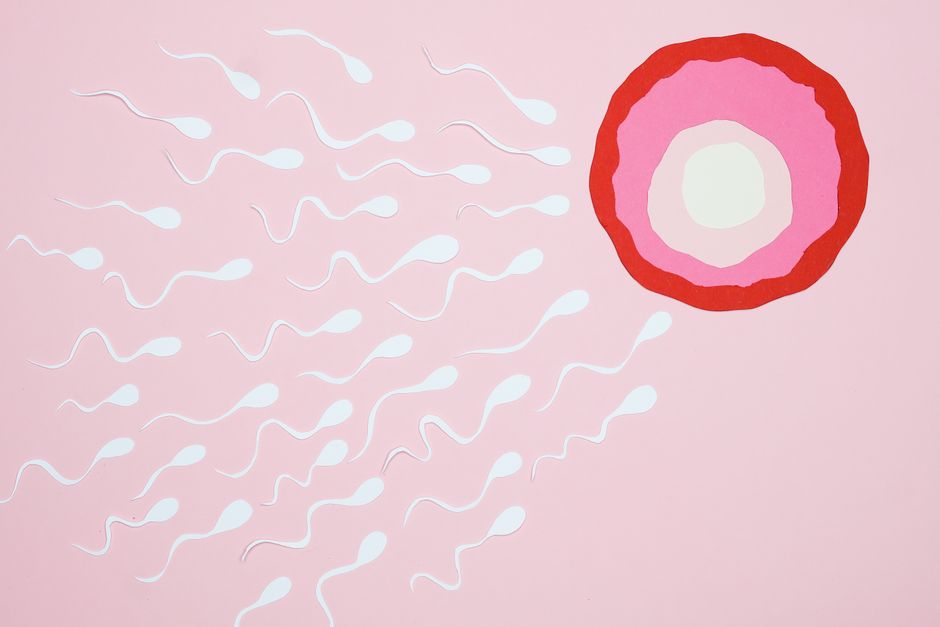
Male fertility depends on more than just sperm count. Sperm health includes the number of sperm, their shape, and how well they move. All three matter for conception. Improving sperm health involves addressing lifestyle factors like diet, weight, temperature, and habits such as smoking and drinking. These are things most men can actively change, and the evidence shows that improvements are possible within a few months.
What Determines Sperm Health?
Sperm health is measured by three main factors. Sperm count is the number of sperm in a semen sample. Morphology refers to the shape of the sperm. Motility is the ability of sperm to swim forward effectively. A normal semen analysis checks all three.
These three factors work together. Even if a man has a high sperm count, poor motility can prevent sperm from reaching the egg. Similarly, abnormal shape can make it harder for sperm to penetrate the egg’s outer layer. Fertility specialists look at all three because no single measure predicts fertility on its own.
How Long Does It Take To Improve Sperm Health?
Sperm production takes about 64 to 74 days from start to finish. This means changes you make today will not show up in your semen for roughly two to three months. The full cycle of sperm development, including maturation in the epididymis, takes about three months total.
This timeline is important for couples planning pregnancy. If a man makes lifestyle changes, he should expect to wait a full sperm cycle before retesting or expecting improvement. Some studies suggest that positive changes can appear sooner, but the standard clinical advice is to allow at least three months for measurable improvement.
How To Improve Sperm Health And Male Fertility Through Diet
Diet affects sperm quality through several mechanisms. Sperm cells are highly sensitive to oxidative stress. Antioxidants in food help neutralize free radicals that damage sperm DNA and cell membranes. A diet rich in fruits, vegetables, and whole grains provides these protective compounds.
Specific nutrients have been studied more than others. Zinc is involved in sperm formation and testosterone production. Folate supports DNA synthesis. Selenium is part of antioxidant enzymes in sperm. Omega-3 fatty acids contribute to sperm membrane structure and function.
Research published in the journal Fertility and Sterility has found that men who ate a diet rich in fruits, vegetables, fish, and whole grains had better sperm quality than men who ate a diet high in processed meats and refined carbohydrates. The Mediterranean diet pattern consistently shows the strongest association with better sperm parameters.
No single food is a magic fix. The overall dietary pattern matters more than any individual nutrient. Men should aim for a balanced diet with plenty of produce, lean proteins, and healthy fats rather than relying on supplements to compensate for poor eating habits.





What Role Do Supplements Play?
Supplement research in male fertility is mixed. Some studies show benefit, but many are small or poorly designed. The evidence is strongest for men who have a confirmed nutrient deficiency or who have been diagnosed with male factor infertility.
Common supplements studied include coenzyme Q10, L-carnitine, vitamin C, vitamin E, and zinc. Some research suggests these may improve sperm motility or reduce DNA damage. However, no supplement has been proven to fix all fertility problems, and results vary widely between individuals.
There is no standard recommended dose for fertility supplements that applies to all men. The quality of commercial supplements also varies. Men should talk to a doctor before starting any supplement, especially if they take other medications. High doses of some vitamins and minerals can be harmful.
How Weight and Exercise Affect Fertility
Body weight has a direct effect on male fertility. Excess body fat alters hormone levels, particularly increasing estrogen and decreasing testosterone. This hormonal shift can reduce sperm production. Obesity is consistently linked with lower sperm count and poorer sperm quality.
Research suggests that weight loss in overweight men can improve sperm parameters. The exact amount of weight loss needed is not clearly defined, but even moderate weight loss appears to help. The mechanism likely involves restoring healthier hormone balance and reducing inflammation.
Exercise benefits sperm health, but the type and intensity matter. Moderate regular exercise, such as brisk walking or cycling, is associated with better sperm quality. However, extreme endurance training and excessive exercise can have the opposite effect. Very intense training can raise scrotal temperature and increase oxidative stress.
A balanced approach works best. Men should aim for regular moderate physical activity most days of the week. This supports healthy weight, improves blood flow, and helps regulate hormones without the negative effects of overtraining.
Which Habits Damage Sperm?
Several common habits are clearly linked to poorer sperm health. Smoking damages sperm DNA and reduces count and motility. The effect is dose-dependent — more cigarettes mean more damage. Quitting smoking improves sperm quality, though it may take several months for the full benefit.
Excessive alcohol is also harmful. Heavy drinking reduces testosterone production and impairs sperm development. Moderate drinking appears to have less impact, but the safest approach for fertility is to limit alcohol significantly.
Recreational drugs including marijuana and anabolic steroids can severely impair sperm production. Steroids often completely shut down natural testosterone production, leading to very low or absent sperm counts. Some of this damage may be reversible after stopping, but not always.
Heat is another factor. The testicles sit outside the body because sperm production requires a temperature slightly below core body temperature. Frequent hot tub use, saunas, and tight underwear can raise scrotal temperature and temporarily reduce sperm production. The effect is usually reversible once heat exposure stops.
Does Stress Affect Male Fertility?
Stress affects fertility through hormonal pathways. Chronic stress raises cortisol levels, which can suppress testosterone production. This hormonal disruption can reduce sperm quality and sexual function.
Research on stress and sperm health is less definitive than research on smoking or weight. Some studies show a clear link between high stress levels and lower sperm concentration and motility. Other studies find weaker associations. The evidence suggests stress matters, but it is not the dominant factor for most men.
Stress management techniques such as regular exercise, adequate sleep, and mindfulness may help. These approaches reduce cortisol and support overall health. For men under significant stress, addressing it may improve fertility, but stress reduction alone cannot overcome major fertility problems caused by other factors.
When To See A Doctor
Couples are generally advised to seek medical evaluation after one year of unprotected intercourse without conception. For couples where the woman is over 35, this period is shortened to six months. Infertility affects about one in seven couples, and male factors contribute to roughly half of all cases.
A semen analysis is the first test for male fertility. This test measures count, motility, and morphology. If results are abnormal, the test is usually repeated because sperm quality can vary from sample to sample.
Men with known risk factors should seek evaluation sooner. These include a history of testicular surgery, undescended testicles, chemotherapy, radiation, or prior fertility problems. Men taking medications that affect fertility, such as certain blood pressure drugs or antidepressants, should discuss this with their doctor.
A urologist who specializes in male fertility can perform a thorough evaluation. This may include hormone testing, genetic testing, and physical examination. Treatment options depend on the cause and range from lifestyle changes to medication to assisted reproductive techniques.
What Is The Bottom Line?
Sperm health is not fixed. It responds to lifestyle changes within about three months. The most evidence-based steps are quitting smoking, limiting alcohol, maintaining a healthy weight, eating a balanced diet, and avoiding excessive heat exposure.
No intervention guarantees pregnancy. Even men with excellent sperm parameters may face fertility challenges, and the female partner’s health is equally important. But improving sperm health is one of the few areas where men can take active, measurable steps to increase their chances of conception.
For men who have been trying for a year without success, or six months if the partner is over 35, professional evaluation is the right next step. A semen analysis provides clear information about where things stand and whether further investigation is needed.
Frequently Asked Questions
How long does it take to improve sperm quality?
Sperm production takes about 64 to 74 days, so improvement typically shows up after two to three months of consistent lifestyle changes. Some men see changes sooner, but three months is the standard timeframe for a full sperm cycle.
Does wearing boxers instead of briefs improve sperm count?
Loose underwear may help by keeping scrotal temperature lower, but the evidence is not strong enough to guarantee improvement. Heat exposure from hot tubs and saunas has a clearer negative effect than underwear type.
Can low sperm count be reversed?
Many causes of low sperm count are reversible with lifestyle changes, medication, or surgery. The outcome depends on the underlying cause, so a medical evaluation is necessary to determine what can be corrected.
Does coffee affect sperm health?
Moderate caffeine intake does not appear to harm sperm health. Very high caffeine consumption has shown mixed results in studies, but no clear threshold has been established.
