
Good oral hygiene is more than fresh breath and a bright smile. It is the daily practice of keeping your teeth, gums, and mouth clean to prevent plaque buildup, cavities, and gum disease. Improving your routine involves brushing correctly, flossing daily, and making smart choices about diet and professional care.
What Does Good Oral Hygiene Actually Mean?
Good oral hygiene means your mouth is clean and free of debris, your gums are pink and do not bleed when brushed, and you have no persistent bad breath. The goal is to control the bacteria that naturally live in your mouth.
When you eat, bacteria feed on sugars and starches left on your teeth. They form a sticky film called plaque. If plaque is not removed, it hardens into tartar, which you cannot brush away. Tartar buildup leads to gum inflammation, which is the earliest stage of gum disease.
Consistent home care prevents this chain of events. It is the single most effective way to protect your teeth between dental visits.
How Often Should You Brush Your Teeth?
Brush your teeth twice a day for two full minutes each time. This is the standard recommendation from dental professionals worldwide. One session should be the last thing you do before bed, because saliva production drops while you sleep, leaving teeth more vulnerable to acid attack.
Brushing removes plaque and food particles from the surfaces of your teeth. Two minutes is longer than most people think. Many electric toothbrushes have built-in timers to help you hit the full duration. If you brush manually, divide your mouth into four quadrants and spend 30 seconds on each.
Brushing more than three times a day can wear down enamel over time. Twice daily is sufficient for most people. If you eat something highly acidic, wait at least 30 minutes before brushing to avoid brushing acid-softened enamel away.
What Is the Correct Brushing Technique?
Technique matters more than pressure. Many people scrub their teeth aggressively, thinking harder brushing means cleaner teeth. The opposite is true. Aggressive brushing damages gums and enamel.
Hold your toothbrush at a 45-degree angle toward your gumline. Use gentle, circular motions rather than sawing back and forth. This angle allows the bristles to reach the small crevice where the tooth meets the gum, which is where plaque accumulates most.
Brush the outer surfaces of all teeth, then the inner surfaces, then the chewing surfaces. Do not forget your tongue. Brushing your tongue removes bacteria that cause bad breath and contributes to overall oral health. Rinse your brush thoroughly after use and store it upright to air dry.
A soft-bristled brush is the right choice for nearly everyone. Medium and hard bristles can cause gum recession and enamel wear. Replace your toothbrush every three to four months, or sooner if the bristles are frayed.




Why Is Flossing Non-Negotiable?
Brushing cleans about 60 percent of your tooth surfaces. The remaining 40 percent sits between your teeth, where a toothbrush cannot reach. Flossing removes plaque and food particles from these tight spaces.
Skipping flossing allows plaque to build up between teeth, which is the most common starting point for cavities and gum disease. These areas are hidden from view, so damage can progress silently for years before symptoms appear.
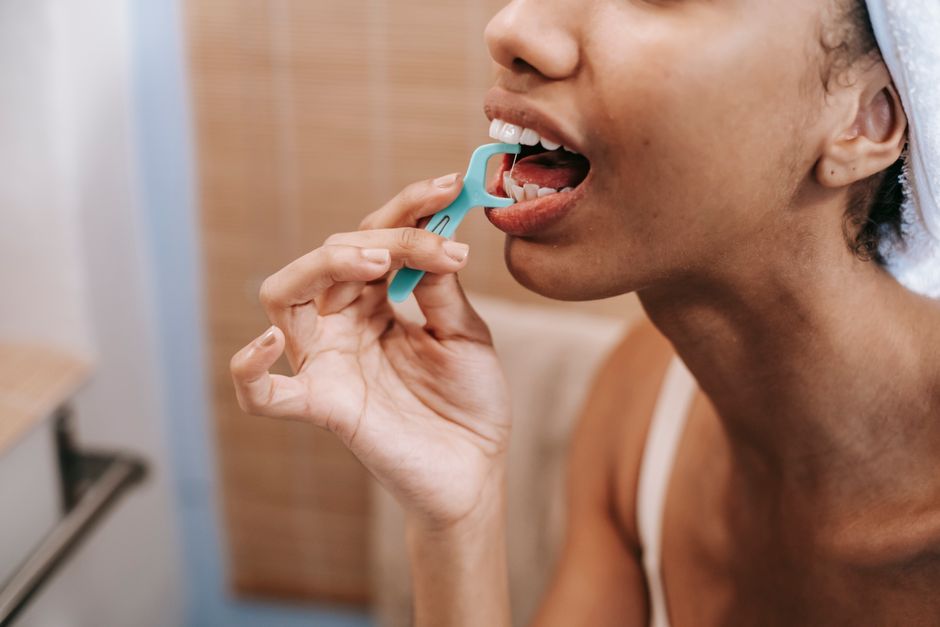
Use about 18 inches of floss. Wind most of it around your middle fingers, leaving about two inches to work with. Slide the floss gently between teeth using a sawing motion, then curve it into a C-shape against one tooth and slide it up and down. Repeat on the adjacent tooth.
If traditional floss is difficult to manage, interdental brushes or water flossers are acceptable alternatives. Some research suggests interdental brushes remove plaque more effectively than string floss. A water flosser is a useful addition but does not remove sticky plaque as thoroughly as mechanical cleaning. The best method is the one you will actually use daily.
How To Improve Oral Hygiene With the Right Products
Fluoride is the most well-studied ingredient in oral care. It strengthens enamel and helps reverse early stages of tooth decay. Choose a toothpaste that contains fluoride and carries the American Dental Association seal of acceptance. This seal means the product has been independently tested for safety and effectiveness.
Mouthwash can be a helpful addition, but it is not a substitute for brushing or flossing. Therapeutic mouthwashes containing fluoride or antibacterial agents like cetylpyridinium chloride can reduce plaque and gingivitis. Cosmetic mouthwashes only mask bad breath temporarily.
If you have sensitive teeth, look for toothpaste containing potassium nitrate or stannous fluoride. These ingredients block pain signals from the tooth surface. If sensitivity persists beyond a few weeks of use, see your dentist. It can signal a cavity, cracked tooth, or receding gums.
Electric toothbrushes consistently outperform manual brushes in reducing plaque and gingivitis, according to research. Oscillating-rotating models show the strongest evidence. They are particularly helpful for people with limited dexterity or those who tend to brush too hard, as many models have pressure sensors.
How Diet Affects Your Oral Health
Everything you eat and drink affects the environment in your mouth. Sugary and starchy foods feed oral bacteria, which produce acid that attacks enamel for up to 20 minutes after eating. Frequent snacking extends this acid attack throughout the day.
Water is the best beverage for your teeth. It rinses away food particles and dilutes acids. Many public water supplies contain fluoride, which provides additional protection. Drink water after meals when you cannot brush.
Crunchy fruits and vegetables like apples and carrots stimulate saliva production, which naturally neutralizes acid and washes away debris. Dairy products like cheese and yogurt provide calcium and casein, which can help protect enamel.
Limit sugary drinks, including sports drinks and fruit juices. Acidic beverages like soda and citrus juice can erode enamel directly, independent of their sugar content. If you consume them, do so with meals and rinse with water afterward. Avoid sipping them slowly over long periods.
When Should You See a Dentist?
Visit your dentist for a checkup and professional cleaning every six months. This interval works well for most people. Your dentist may recommend more frequent visits if you have active gum disease, a history of cavities, or other risk factors.
Professional cleanings remove tartar that brushing and flossing cannot. Your dentist also screens for oral cancer, checks for cavities, and evaluates the health of your gums and supporting bone. Early detection of problems saves money and preserves teeth.
Do not wait for pain to schedule an appointment. Tooth decay and gum disease often cause no symptoms until they are advanced. By the time you feel pain, the problem may require a filling, root canal, or extraction.
See a dentist promptly if you notice bleeding gums, persistent bad breath, loose teeth, mouth sores that do not heal within two weeks, or sensitivity to hot or cold that lasts longer than a few days.
Common Oral Hygiene Mistakes to Avoid
Brushing too hard is the most common mistake. It does not clean better and permanently damages gums and enamel. Use a light grip and let the bristles do the work.
Rinsing with water immediately after brushing washes away the fluoride that protects your teeth. Spit out excess toothpaste instead of rinsing. If you use mouthwash, use it at a different time of day, because rinsing right after brushing also removes fluoride.
Sharing toothbrushes spreads bacteria and is never acceptable. Store your brush away from other brushes to prevent cross-contamination. Do not cover your toothbrush, as a moist enclosed environment promotes bacterial growth.
Skipping flossing because your gums bleed is backwards thinking. Bleeding gums are a sign of inflammation caused by plaque. Regular flossing for about two weeks typically resolves this bleeding as your gums become healthier. If bleeding persists, see your dentist.
Oral Hygiene and Overall Health
Your mouth is connected to the rest of your body. Periodontal disease is a chronic inflammatory condition that has been linked to several systemic health problems.
Research has found associations between gum disease and diabetes, heart disease, and adverse pregnancy outcomes. The relationship with diabetes is bidirectional — diabetes increases the risk of gum disease, and severe gum disease can make blood sugar control more difficult.
This does not mean gum disease causes heart attacks. The relationship is an association, not a proven cause. However, maintaining good oral hygiene reduces inflammation throughout your body, which is beneficial regardless of these connections.
People with certain medical conditions need to pay extra attention to oral care. Diabetes, autoimmune diseases, and medications that reduce saliva flow all increase the risk of oral problems. If you have a chronic condition, discuss your oral health with both your physician and dentist.
Frequently Asked Questions
How long should you brush your teeth each time?
Brush for two full minutes twice a day. Divide your mouth into four quadrants and spend 30 seconds on each to ensure even coverage.
Is mouthwash necessary for good oral hygiene?
No, mouthwash is optional but can help reduce plaque and freshen breath. Brushing and flossing remain the essential steps in any oral care routine.
Can you overbrush your teeth?
Yes, brushing more than three times daily or using excessive pressure can wear down enamel and cause gum recession. Use a soft-bristled brush with gentle circular motions.
How often should you replace your toothbrush?
Replace your toothbrush every three to four months or when bristles appear frayed. Replace it sooner after recovering from an illness to avoid reintroducing bacteria.
