
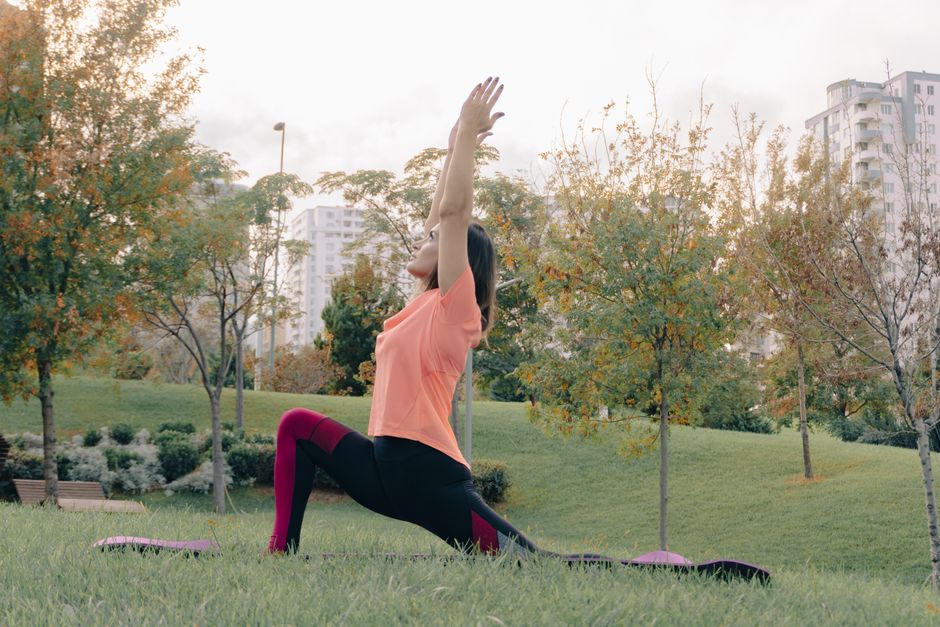
Living with COPD means your airways are narrowed and your lungs work harder than they should. You cannot reverse the damage already done to your lung tissue, but you can absolutely improve how well your lungs function day to day. The most effective strategies are pulmonary rehabilitation, specific breathing techniques, regular exercise, and medication adherence. These methods do not cure the disease, but they can reduce breathlessness, increase your endurance, and help you do more with less effort.
What Does “Improving Lung Function” Actually Mean With COPD?
It is important to be clear about what is possible. COPD causes permanent changes in your lungs. The walls of the airways become thick and inflamed. The air sacs lose their elasticity. You cannot regrow healthy lung tissue or undo emphysema.
So when doctors talk about improving lung function, they mean something specific. They mean improving your functional capacity — how much you can do before you feel breathless. They also mean improving the efficiency of the breathing you have. Your lungs may be damaged, but your muscles, including your breathing muscles, can get stronger. A stronger diaphragm and better-conditioned leg muscles mean your body needs less oxygen to do the same work.
This is a meaningful difference. You are not fixing the organ. You are training the system around it to work better with what it has.
Is Pulmonary Rehabilitation the Most Effective Option?
Yes. Pulmonary rehabilitation is the single most evidence-backed intervention for improving daily function in COPD. It is a structured program that combines supervised exercise training, education about the disease, and breathing strategies. It is not a single session. It typically runs for several weeks, often with two to three sessions per week.
The exercise component is the core. You work on a treadmill or stationary bike under supervision. The goal is to push your endurance gradually. Many people with COPD avoid activity because it feels uncomfortable, but this avoidance weakens muscles further and makes breathlessness worse over time. Rehab breaks that cycle.
Studies consistently show that people who complete pulmonary rehabilitation have less breathlessness during daily activities and better quality of life. The benefit is real and measurable. Ask your doctor for a referral. Many insurance plans cover it, and some programs are available at hospitals or outpatient clinics.
Which Breathing Techniques Actually Help?
Two breathing techniques have the strongest evidence behind them: pursed-lip breathing and diaphragmatic breathing.
Pursed-lip breathing is simple. You breathe in through your nose, then breathe out slowly through pursed lips, as if you are blowing through a straw. The slow, controlled exhale keeps the airways open longer. This prevents air from getting trapped in the lungs, which is a common problem in COPD. It is most useful during or after exertion.
Diaphragmatic breathing trains your diaphragm, the main muscle of breathing. In COPD, the lungs become hyperinflated, which flattens the diaphragm and makes it less effective. Breathing exercises that emphasize belly breathing can strengthen this muscle over time. You place one hand on your belly, breathe in so your belly rises, and breathe out slowly.
These techniques do not change your lung measurements on a spirometry test. But they reduce the feeling of breathlessness and help you manage episodes of shortness of breath. Practice them daily, even when you feel fine, so they become automatic when you need them.



How Does Exercise Improve COPD Symptoms?
Exercise trains your muscles to use oxygen more efficiently. In COPD, your muscles often become deconditioned from years of reduced activity. This deconditioning means your muscles demand more oxygen for any task, which worsens breathlessness.
Regular aerobic exercise, like walking or cycling, improves the efficiency of your heart and muscles. Your body learns to extract more oxygen from the blood you have. Your heart pumps more effectively. Over weeks, the same amount of walking requires less oxygen, so you feel less breathless.
Strength training also matters. Stronger leg muscles mean walking is easier. Stronger arm muscles mean daily tasks like lifting or reaching require less effort. Even simple resistance bands or light hand weights can make a measurable difference.
The key is consistency, not intensity. A short daily walk is better than a long walk once a week. Start at a level that feels manageable, even if it is only a few minutes, and add a little time each week.
How To Improve Lung Function With COPD: Medication and Oxygen
Medications do not repair lung tissue, but they are essential for improving how you feel and function. Bronchodilators relax the muscles around your airways, which opens them wider. This makes breathing easier and reduces the work your lungs have to do.
There are two main types: short-acting bronchodilators for quick relief and long-acting bronchodilators for daily control. Inhaled corticosteroids reduce airway inflammation in people who have frequent flare-ups. Many people use a combination inhaler that contains both a bronchodilator and a steroid.
Using your inhaler correctly matters as much as taking it. Many people use inhalers incorrectly, which means the medication never reaches the lungs. Ask your doctor or pharmacist to watch you use your inhaler and correct your technique. This simple check can improve your symptom control significantly.
If your oxygen level drops below normal during activity or at rest, supplemental oxygen can help. Oxygen therapy does not improve lung function, but it improves how your body functions with the lungs you have. It reduces strain on the heart and can improve endurance and sleep quality. Oxygen is prescribed based on specific blood oxygen measurements. It is not something to buy over the counter.
Can Diet or Supplements Improve Lung Function?
Diet affects COPD, but not in the way many marketing claims suggest. There is no supplement that repairs damaged lungs. No vitamin, herb, or extract has been shown to improve lung function in COPD in large human trials.
What diet can do is support your overall health. Maintaining a healthy weight is important. Being underweight is common in advanced COPD because breathing burns extra calories. Being overweight makes it harder to move and puts more demand on your lungs. A balanced diet with adequate protein helps maintain muscle mass, which supports your ability to exercise.
Some research suggests that certain nutrients, like vitamin D, may play a role in lung health. But the evidence is not strong enough to recommend high-dose supplements for everyone with COPD. If you have a deficiency, your doctor can test for it and correct it. That is different from taking supplements to improve lung function, which no study has confirmed.
What About Air Quality and Avoiding Triggers?
Your lungs have to process the air you breathe. If that air contains irritants, your airways respond with inflammation and narrowing. Avoiding triggers is one of the most direct ways to reduce the daily burden on your lungs.
Smoking cessation is the single most important action for anyone with COPD. Continuing to smoke accelerates the decline in lung function. Quitting does not reverse damage, but it slows the rate of decline to that of a normal aging lung. This is a major difference over time.
Other triggers include indoor air pollution from cooking fumes, strong cleaning products, and secondhand smoke. Outdoor air pollution, especially on high-smog days, can worsen symptoms. Check local air quality indexes and plan outdoor activities when pollution is lower. Wearing a mask during high-pollution days can reduce the irritants you inhale.
Do Breathing Exercises Replace Medication?
No. Breathing exercises and medication work together, not as alternatives. Medication opens the airways. Breathing exercises help you use those open airways more efficiently. Skipping your medication because you are doing breathing exercises will not improve your lung function. It will likely make your symptoms worse.
Think of medication as the foundation. It makes the mechanical work of breathing easier. Exercise and breathing techniques build on that foundation by training your body to do more with the improved airflow. All three components are part of a complete COPD management plan.
Frequently Asked Questions
How quickly does pulmonary rehabilitation improve symptoms?
Most people notice improvements in breathlessness and endurance within four to six weeks of starting a program. The full benefit typically appears after completing the entire program, which usually lasts eight to twelve weeks.
Can exercise make my COPD worse?
Exercise done at an appropriate level is safe and beneficial for most people with COPD. If you have not exercised recently, start under medical supervision or with a program designed for COPD to avoid overexertion.
Is it better to exercise indoors or outdoors with COPD?
Indoor exercise is better on days with poor air quality or extreme temperatures, as both can trigger breathlessness. On clean-air days, outdoor walking is fine and offers variety. The most important factor is consistency, not location.
Do I need to see a specialist for COPD management?
Your primary care doctor can manage mild COPD, but a pulmonologist can offer more specialized testing and treatment options. If your symptoms are worsening or not well controlled, ask for a referral to a lung specialist.
