
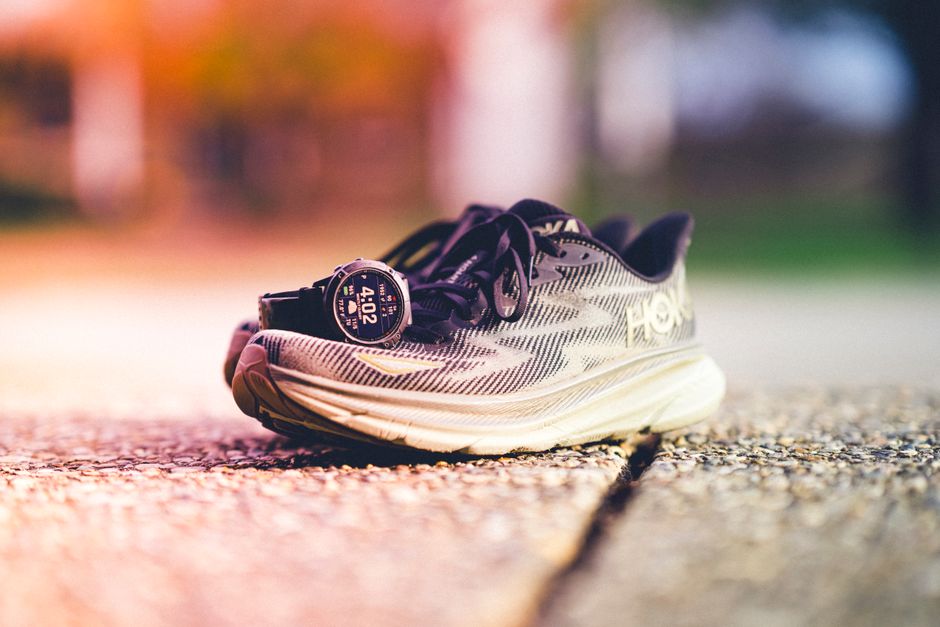
Heart rate variability, or HRV, is one of the most useful numbers your Garmin watch tracks, but it is also one of the most misunderstood. HRV measures the time variation between your heartbeats, and a higher score generally means your body is ready to handle stress. The most effective way to improve your HRV on Garmin is to treat it like a daily feedback tool, not a score to game. You improve it by making small, consistent changes to your sleep, training load, and recovery habits, then checking your Garmin’s morning report to see what actually worked for your body.
What Is HRV and Why Does Garmin Track It?
Your heart does not beat like a metronome. The time between each beat varies slightly, and that variation is your HRV. A high HRV means your nervous system is balanced and ready to respond to challenges. A low HRV can mean you are stressed, overtrained, or not sleeping well. Garmin measures this during sleep using your wrist-based optical sensor. It calculates a nightly average and compares it to your personal baseline range. If your nightly reading is within that range, you are recovering normally. If it drops below, your body is under strain.
Garmin displays this as a nightly HRV status and a 7-day average. The watch also factors HRV into other metrics like Body Battery and Training Readiness. This is why improving your HRV is not just about seeing a better number. It directly affects how Garmin advises you on whether to push hard or take it easy on any given day.
How To Improve Hrv On Garmin Tips That Actually Work
The most reliable way to raise your HRV is to focus on the inputs your body needs to recover. Garmin data will show you when you are doing well, but the improvements come from your daily habits. The strategies below have the strongest evidence behind them and are practical to implement alongside your Garmin data.
Prioritize sleep duration and consistency. Sleep is the single biggest factor in HRV recovery. Going to bed and waking at the same time every day helps more than just sleeping longer on weekends. Garmin’s sleep tracking can show you your sleep stages, but the most important number for HRV is total sleep time. Most adults need between 7 and 9 hours. If your HRV is low, check if your sleep time is below your personal average.
Manage your training load gradually. A sudden spike in training volume or intensity will drop your HRV. Garmin’s Training Load and Acute Load features can help you see when you have done too much too quickly. The goal is to build fitness steadily so your body adapts without becoming overtrained. If your HRV drops for several days after a hard workout, your body is telling you it needs more recovery time before the next hard session.
Use Garmin’s Body Battery to guide your day. Body Battery combines HRV and other stress data to give you a score from 0 to 100. When your Body Battery is high in the morning, your HRV is likely in a good place. Use this as a signal to schedule harder tasks or workouts. When it is low, prioritize rest and lighter activity.
Practice consistent breathing exercises. Slow, deep breathing at a rate of about 6 breaths per minute has been shown in research to increase HRV in the short term. Garmin watches have a built-in breathing activity that guides you through this. Doing 5 to 10 minutes of this before bed or after a stressful day can help shift your nervous system toward recovery.
How Accurate Is Garmin’s HRV Measurement?
Garmin uses wrist-based optical sensors to estimate HRV. These are not as precise as a chest strap or an ECG, but they are accurate enough for tracking trends over time. The key is consistency. Garmin measures your HRV at the same point each night during sleep, which reduces variability from movement or time of day. This makes the nightly reading more reliable for comparison than a random daytime measurement.
If you want more precise data, you can pair a chest strap like the Garmin HRM-Pro series with your watch. Chest straps measure electrical signals directly from the heart and are considered the gold standard for wearable HRV tracking. For most people, the wrist sensor is sufficient. The trend matters more than the absolute number. Watch for changes relative to your own baseline rather than comparing your score to someone else’s.





What Causes HRV To Drop?
Several common factors can push your HRV below your normal range. Knowing these can help you identify why your Garmin score is low on a given morning.
- Poor sleep: Both short sleep and fragmented sleep lower HRV.
- Alcohol: Even one drink close to bedtime can reduce HRV for the night.
- Dehydration: Low fluid intake affects blood volume and heart function.
- Stress: Mental and emotional stress activates the sympathetic nervous system, which lowers HRV.
- Overtraining: Too much exercise without enough recovery keeps your body in a stressed state.
- Illness: Your HRV often drops a day or two before you feel cold symptoms.
Some of these are easier to fix than others. If you notice a pattern, like low HRV every Monday after a weekend of drinking, the data is pointing at a clear cause. If your HRV is low and you cannot explain it, check your sleep duration first.
What Is a Good HRV Score on Garmin?
There is no universal “good” HRV number. Normal ranges vary widely by age, fitness level, and genetics. A score that is excellent for one person may be low for another. Garmin handles this by establishing a personal baseline after you wear the watch for about three weeks. Once that baseline exists, the watch tells you if your nightly HRV is balanced, low, or high compared to your own norm.
Research generally shows that higher HRV is associated with better cardiovascular fitness and lower stress. But chasing a specific number is not the goal. The goal is to keep your nightly HRV within your personal range and to see it trend upward over weeks and months as your fitness improves. If you are new to HRV tracking, do not worry about the actual number. Focus on the trend and how you feel.
How Long Does It Take To See HRV Improve?
HRV changes slowly. Do not expect a single good night of sleep to fix a week of low readings. It typically takes several days to a few weeks of consistent healthy habits to see your baseline shift upward. If you are overtrained, it can take longer. Some athletes need a full recovery week or more before their HRV returns to normal.
Track your 7-day average on Garmin rather than the daily number. The daily reading can bounce around due to noise. The 7-day average smooths out that variability and shows the real trend. If your 7-day average is moving up, your habits are working.
Should You Train When Your HRV Is Low?
Garmin’s Training Readiness score uses HRV as a major input. When your HRV is low, your Training Readiness will also be low. This is the watch telling you that your body is not recovered enough for a hard workout. It does not mean you should do nothing. It means you should adjust the intensity.
If your HRV is low, choose a light workout like walking, yoga, or an easy bike ride. These activities promote blood flow and recovery without adding more stress. If your HRV is within your normal range, you are cleared for a harder session. Some coaches recommend training through low HRV days with easy work rather than taking complete rest days, because complete rest can sometimes lower HRV further due to reduced physical activity. The evidence here is mixed, and the best approach depends on the individual.
Does Diet Affect HRV?
Food choices can influence HRV, but the effects are less immediate than sleep or alcohol. A diet high in processed foods and added sugar is associated with lower HRV over time. A diet rich in vegetables, whole grains, and healthy fats supports better cardiovascular health, which is linked to higher HRV.
Hydration matters more in the short term. Even mild dehydration can lower HRV. If you wake up with a low HRV reading, consider whether you drank enough water the day before. Caffeine can also have an effect. Some research shows that caffeine raises HRV shortly after consumption, but the long-term effect on nightly HRV is less clear. Pay attention to your own data. If your HRV is consistently lower on days you drink coffee after noon, that is a useful pattern for you.
Can Stress Reduction Techniques Really Help?
Yes, but the evidence is stronger for some techniques than others. Slow breathing exercises have the most consistent research support for increasing HRV in the short term. Meditation and mindfulness practices also show benefits, but the effects may take weeks of regular practice to appear in your nightly HRV data.
Garmin has a Stress Tracking feature that uses HRV to estimate your stress level throughout the day. If you see your stress score climbing, taking a few minutes to do a guided breathing session on the watch can help bring it down. This is one of the few interventions that can produce a measurable change in your HRV within minutes.
Common Mistakes That Keep HRV Low
Many people try to improve HRV but make errors that undermine their efforts. One common mistake is comparing your score to someone else’s. Another is checking your HRV multiple times a day and panicking over normal fluctuations. The nightly reading is the one that matters for trend tracking.
A bigger mistake is increasing training volume to boost fitness while ignoring recovery. More training does not improve HRV. Adequate recovery between training sessions does. If you are doing everything right and your HRV stays low for weeks, consider whether you are actually recovering between workouts or just stacking fatigue.
Frequently Asked Questions
How long does a Garmin watch take to establish an HRV baseline?
Garmin typically needs about three weeks of consistent wear to establish a reliable HRV baseline. After that, the watch compares your nightly readings to this personal range.
Can I improve my HRV in one night?
No. HRV changes slowly and reflects your overall recovery state. One good night of sleep will not fix a week of low readings, but consistent healthy habits will shift your baseline over time.
Is a higher HRV always better on Garmin?
Not necessarily. A reading above your personal baseline is generally a sign of good recovery, but an unusually high spike can also happen during illness or extreme fatigue. Focus on staying within your normal range rather than chasing the highest number.
Does alcohol really lower HRV on Garmin?
Yes. Alcohol consumption, especially in the evening, reliably lowers HRV for several hours and can affect your nightly reading. The effect is stronger with larger amounts and closer to bedtime.
