
Sable is one of the most expensive natural fibers on earth, and the market for it is full of mislabeling, lookalikes, and outright fakes. If you want to identify sable fur, you need to look at three things: the texture (dense, silky underfur with long, fine guard hairs), the label (accurate species names and country of origin, not vague terms like “sable-type”), and the price (real sable almost never sells cheap, and unusually low prices are the clearest warning sign).
The word “sable” gets used loosely. It can mean the actual animal, a color of mink, or a synthetic fabric. Knowing which one you are looking at changes everything about how you judge texture, read a label, and interpret a price.
What Is Sable Fur and Why Does It Cost So Much?
True sable comes from the sable marten, a small mammal native to the cold forests of Russia and Siberia. The most prized pelts historically came from the Barguzin region near Lake Baikal, and that origin still carries weight in the trade today.
The reason for the price is biological, not just marketing. Sable has an unusually dense, soft underfur topped with fine, flexible guard hairs. That combination makes it warm, lightweight, and smooth to the touch. The fibers are also delicate, which makes the pelts harder to work with than sturdier furs like mink or fox.
Supply is limited. Sable is not farmed at the scale of mink, and wild populations are tightly managed. Russia has historically controlled most of the legal supply. That scarcity, combined with the labor of matching many small pelts into a single garment, is what drives the cost.
How To Identify Sable Fur Texture
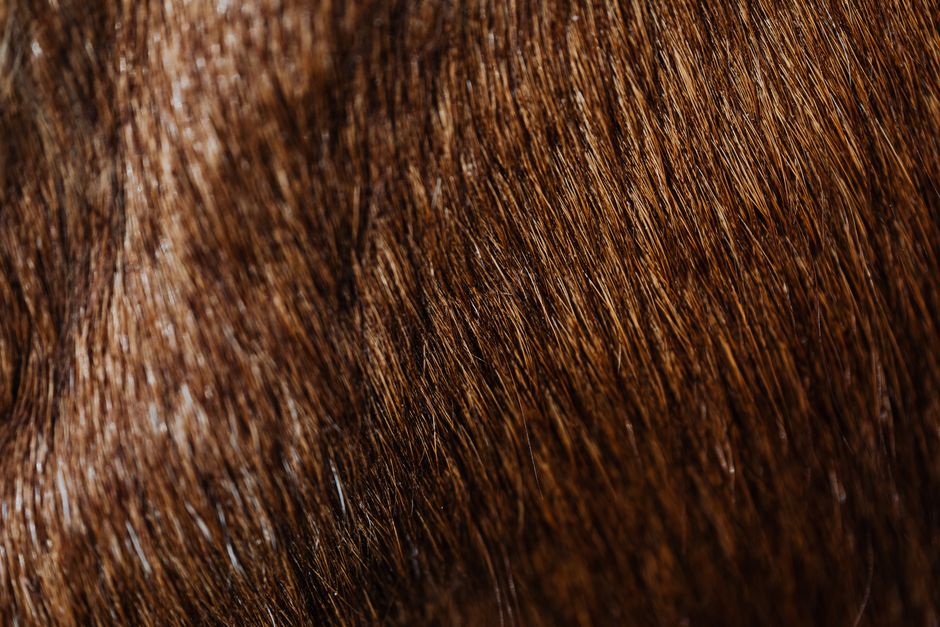
Real sable feels almost weightless and remarkably smooth, with a dense undercoat that springs back when you press it. The guard hairs are long, fine, and slightly silvery at the tips in many natural pelts.
Here is what to check with your hands and eyes:
- Density: Push your fingers into the fur. Real sable is thick and dense. You should not easily feel the leather backing through the hair.
- Softness: It should feel silky, not coarse or wiry. Coarse texture is a red flag.
- Guard hairs: Look for long, thin, slightly stiff hairs rising above the soft underfur. Very short or uniformly fuzzy fur is usually not sable.
- Sheen: Natural sable has a soft, low shine. A plastic or overly glossy surface often points to synthetic fiber.
- Weight: Genuine sable is light for its warmth. If a garment feels heavy and stiff, suspect a substitute.
One non-obvious point: some sellers use the term “sable” to describe a color of mink, not the animal. A “sable mink” coat is mink with dark brown coloring. It is not sable fur, and it should not carry a sable price. The texture of mink is different too, generally denser and slightly less fine than true sable.
How Do You Read a Sable Fur Label Correctly?
A proper fur label names the species and the country of origin. Under US law, fur products must be labeled with the animal’s true English name and the country where the fur originated, along with other required details. Vague wording is a warning, not a style choice.
Watch for these label problems:
- “Sable-type” or “sable-colored”: These are not species names. They describe appearance, not the animal.
- No country of origin: Legitimate fur should state where it came from.
- Missing species name: If the label does not say the animal, treat the item as unidentified.
- Fabric content labels: If the item is textile rather than fur, look for fiber content like acrylic, polyester, or modacrylic. These are synthetic and are not sable at any price.
Keep in mind that labeling rules differ by country, and enforcement varies. A label is useful evidence, but it is not proof on its own. Cross-check the label against the texture and price.





What Price Should Real Sable Fur Command?
Genuine sable is among the most expensive furs sold, and prices vary widely based on quality, origin, pelt size, and craftsmanship. There is no single standard price, and I am not going to invent one.
What matters is the pattern. Real sable sits at the top of the fur market. If a coat is priced like mink or lower, it is almost certainly not sable. A bargain sable is usually one of three things: mink in a sable color, a different fur entirely, or synthetic fiber.
Price alone does not prove authenticity either. A high price can be attached to a fake. Use price as one signal among several, not as the deciding factor.
What Are the Common Sable Lookalikes and Fakes?
Several materials get passed off as sable. Knowing them helps you spot the difference.
- Mink: Often dyed or marketed in “sable” colors. Mink is generally denser and slightly less fine than true sable.
- Fitch or kolinsky: Related mustelids sometimes confused with sable. Texture and origin differ.
- Fox and raccoon: Longer, coarser guard hairs. Easy to tell apart by feel.
- Synthetic faux fur: Acrylic and modacrylic fibers. Usually glossy, uniform, and plastic-feeling. These can look convincing in photos but not in person.
Faux fur is a legitimate choice for many people. The problem is only when it is sold as real sable at a real sable price.
Can You Verify Sable Fur Before Buying?
Ask for documentation of species and origin. A reputable seller should be able to provide it. If they cannot or will not, that is meaningful information.
For high-value pieces, an independent appraisal or authentication by a qualified fur specialist is reasonable. This is common practice in the fur trade for expensive items, though it is a professional service rather than a guarantee against every kind of fraud.
Be cautious with online listings. Photos can be edited, and texture cannot be judged through a screen. If you cannot inspect the item in person, the label and documentation carry more weight than usual.
One honest note: no single test proves authenticity with certainty. Texture, label, price, and documentation together give you a much stronger picture than any one of them alone.
What About Animal Welfare and Legal Considerations?
Sable fur is a product of the fur trade, and the trade raises real animal welfare and conservation concerns. Laws on fur sales vary by jurisdiction and have changed over time in several places. If you are considering buying or selling fur, check the current rules where you live, since this is an area where regulations continue to shift.
This is a factual point, not a moral lecture. It simply affects what is legal to sell, what documentation is required, and how the market operates.
Frequently Asked Questions
How can I tell if fur is real sable by touch?
Real sable feels dense, silky, and light, with long fine guard hairs over a soft undercoat. If it feels coarse, heavy, or has a plastic sheen, it is likely not sable.
Is “sable” always the animal?
No. The term is often used for a color of mink or for synthetic fabric. Only a label naming the sable marten species and its country of origin indicates true sable.
Why is real sable fur so expensive?
Limited supply, difficult handling of delicate pelts, and the labor of matching many small pelts into one garment all push the price to the top of the fur market. If a price looks like a bargain, it is probably not sable.
Can faux fur be sold as real sable?
Yes, and it happens. Synthetic fibers like acrylic or modacrylic are sometimes passed off as sable, usually at a price far below genuine sable but still higher than faux fur should cost.
