
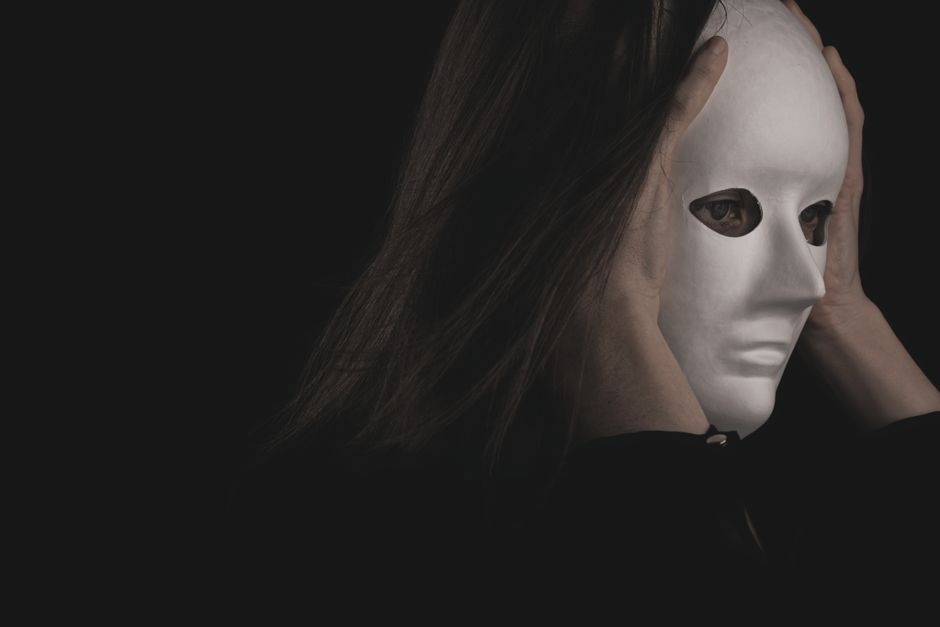
Masking is when an autistic person hides their natural behaviors and copies neurotypical ones to fit in. It is not a cure or a choice made lightly. It is a survival strategy many autistic adults use at work, in social settings, and even at home. Research consistently shows that while masking can help someone avoid discrimination, it often comes with a serious cost to mental and physical health.
What Does Masking Actually Look Like?
Masking takes many forms. An autistic person might force eye contact even though it feels uncomfortable or painful. They might rehearse conversations in their head before speaking. They might suppress stimming behaviors like hand-flapping or rocking because they learned those movements draw negative attention.
Masking also includes hiding sensory distress. A person might sit in a noisy office and say they feel fine when they are actually overwhelmed. They might force themselves to smile during small talk when they would rather be alone. Over time, these efforts become automatic. Many people do not realize they are masking until they learn about autism in adulthood.
Some researchers describe masking as a performance. The person watches what others do, copies it, and builds a script to get through social interactions. This takes enormous mental energy. It is not the same as learning social skills. Masking is about hiding a core part of who you are.
Why Do Autistic People Mask?
People mask for safety and acceptance. Autistic children often learn quickly that their natural behaviors get them punished, teased, or excluded. A child who flaps their hands when excited might be told to stop. A child who talks passionately about a special interest might be told they are annoying. Over time, the child learns to suppress those behaviors.
In adults, masking often continues because the stakes feel higher. Jobs, relationships, and social standing can depend on appearing “normal.” Many autistic adults report that they mask to avoid being fired, to keep friendships, or to avoid being treated like a burden.
There is also pressure from society itself. Autism is still widely misunderstood. Many people hold stereotypes about what autism looks like. Autistic people who do not fit those stereotypes often feel they must prove their struggles are real. Masking becomes a way to manage other people’s perceptions.
Does Masking Work?
Masking can be effective in the short term. It can help someone get through a job interview or a family gathering without conflict. It can reduce the immediate risk of being judged or rejected. For some people, masking is the difference between being hired and being overlooked.
But the long-term picture is different. Research published in the journal Autism has found that adults who mask more frequently report higher levels of depression, anxiety, and exhaustion. The effort of constantly monitoring your own behavior is draining. It leaves little energy for anything else.
Masking also interferes with genuine connection. If you are always performing, people never meet the real you. Relationships built on a masked persona can feel hollow. Many autistic adults describe feeling lonely even in a room full of people because no one actually knows them.





What Are the Health Costs of Masking?
The health effects of masking are real and well-documented in clinical studies. Chronic masking is associated with elevated stress levels. When the body stays in a state of high alert for long periods, it takes a toll. Some autistic adults report physical symptoms like headaches, stomach problems, and chronic fatigue that improve when they stop masking.
Mental health is also affected. Autistic people who mask heavily are more likely to experience burnout. Autistic burnout is not the same as ordinary tiredness. It is a state of complete physical and mental exhaustion that can last for months or years. It can include loss of skills that were previously automatic, like the ability to speak clearly or manage daily tasks.
The constant self-monitoring also contributes to a shaky sense of identity. When you spend decades hiding your natural responses, it can be hard to know who you are underneath the mask. Some autistic adults describe feeling like they do not have a stable self at all.
Is Unmasking Always the Answer?
Unmasking is not a simple switch you can flip. It is a gradual process of figuring out which behaviors are protective and which ones are unnecessary. Complete unmasking is not realistic or safe for everyone. Some environments are genuinely hostile to autistic people, and masking in those spaces is a legitimate safety measure.
Many autistic adults find a middle path. They unmask in safe settings like home or with trusted friends. They keep some masking strategies for work or difficult family events. This selective approach allows them to conserve energy while still protecting themselves when needed.
Unmasking also involves learning to accept your own needs. That might mean allowing yourself to stim in private or with close friends. It might mean being honest about sensory limits instead of pushing through. It might mean giving yourself permission to leave a social event early without guilt.
How To Hide Autism: What Masking Really Means for Daily Life
The honest answer to the question of how to hide autism is that masking is a coping strategy, not a solution. It can help you get through specific situations, but it does not address the underlying problem: a world that is not built for neurodivergent people.
If you are considering whether to mask or unmask, start by assessing your situation. Are you in physical danger if you stop masking? Are you at risk of losing your job or housing? If the answer is yes, keeping some masking strategies in place is a reasonable choice. Your safety matters more than anyone else’s comfort.
If the risk is social discomfort rather than real danger, try small experiments. Let yourself stim in a low-stakes setting. Allow yourself to skip one social event you do not want to attend. Notice how your body responds. Many autistic adults report that the first time they unmask around a safe person, they cry. It is a release of years of tension.
It is also worth noting that masking is not an all-or-nothing behavior. You can mask for a two-hour meeting and then come home and fully unmask. You can tell a trusted coworker that you need to take a sensory break. You can set boundaries about how much social energy you have. These small acts of self-protection matter.
How To Support an Autistic Person Who Masks
If you know someone who masks, the best thing you can do is create a space where they do not have to. That means not punishing or mocking autistic behaviors. It means accepting that they might not make eye contact, might need to move their body, or might need time alone.
Do not pressure them to explain themselves. Do not tell them they are “not really autistic” because they seem fine. The fact that they seem fine is often the result of enormous effort you cannot see.
Ask them directly what they need. Some autistic people want help recognizing when they are overextending themselves. Others just want permission to be themselves without commentary. The answer varies from person to person.
Frequently Asked Questions
Is masking autism the same as lying?
No. Masking is a learned survival strategy, not a deliberate deception. Most autistic people mask to protect themselves from discrimination or rejection, not to manipulate others.
Can you stop masking completely?
Most autistic adults do not stop completely because some situations still require it. The goal is usually to unmask in safe environments and reduce overall masking load rather than eliminate it entirely.
Does masking cause autistic burnout?
Research indicates that chronic masking is a major contributor to autistic burnout. The constant effort of suppressing natural behaviors and monitoring social performance depletes energy reserves over time.
How do I know if I am masking?
If you regularly change how you speak, move, or react to avoid drawing attention to yourself, you are likely masking. Many autistic adults only recognize their masking after learning about autism from other autistic people’s experiences.
