
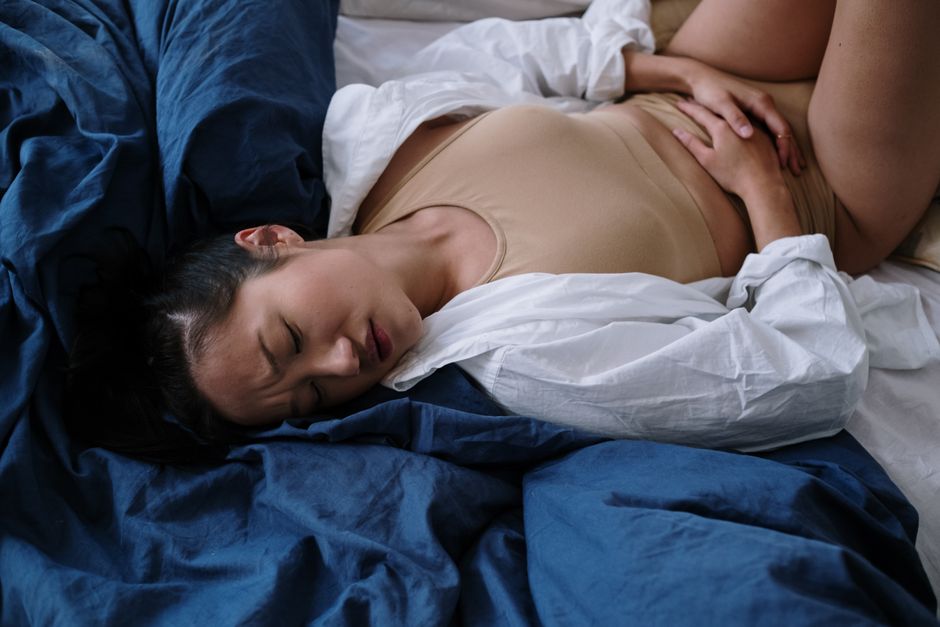
Yes, stress can give you cramps. The link is real and well documented, though the exact pathway depends on which muscles are involved. Stress can tighten the muscles in your neck, back, and jaw, and it can also trigger cramps in your legs, abdomen, and even your menstrual cycle. The mechanism is not one single switch. It is a mix of muscle tension, nervous system arousal, blood flow changes, and in some cases electrolyte shifts.
Can Stress Give You Cramps The Science Explained
When your brain perceives a threat, it activates the sympathetic nervous system. This is the branch of your nervous system that prepares your body to react. Part of that response is increased muscle tension. Your muscles contract slightly and stay that way, sometimes for hours.
A muscle that stays contracted for too long can cramp. This is not a guess. It is basic muscle physiology. Sustained contraction reduces blood flow to the muscle, and reduced blood flow is one of the most consistent triggers of muscle cramps. The muscle runs low on oxygen and cannot clear waste products efficiently. That combination can push a muscle into a painful, involuntary spasm.
Stress also affects how your brain talks to your muscles. Under chronic stress, the nervous system stays in a state of low-level alert. Motor neurons fire more readily. The threshold for a muscle to contract involuntarily drops. In plain terms, your muscles become twitchy and easier to set off.
There is a second pathway that gets less attention. Stress changes your breathing. When you are anxious, you tend to breathe faster and shallower. That can alter the balance of carbon dioxide and pH in your blood. Changes in blood pH affect how calcium and other ions behave in muscle cells. Calcium is the direct trigger for muscle contraction. Even small shifts in how calcium is handled can make a muscle more likely to cramp.
None of this means every cramp is caused by stress. Cramps have many causes. But stress is a legitimate contributor, and for some people it is the main one.
What Kind of Cramps Does Stress Cause?
Stress-related cramps show up in predictable places. The most common are the muscles of the neck, shoulders, and upper back. These muscles hold tension when you are stressed, and they are small enough that sustained contraction quickly leads to a knot or spasm.
Leg cramps are also common. They often happen at night, when the nervous system is still aroused but the body is at rest. Rest cramps are a well-known phenomenon, and stress can make them more frequent.
Abdominal cramps are another pattern. Stress does not cause cramps in the stomach itself, because the stomach is a smooth muscle organ. But stress strongly affects the gut through the gut-brain axis. This is a two-way communication system between your central nervous system and your digestive tract. Stress can change gut motility, which means it can speed up or slow down the movement of your intestines. Either change can produce cramping and discomfort.
Menstrual cramps are worth separating out. Stress does not directly cause the uterine contractions of a period. Those are driven by hormone-like compounds called prostaglandins. But stress can make period cramps feel worse. Research consistently shows that higher stress levels are associated with more intense menstrual pain. The relationship is real, but it is a modifier, not the root cause.
How Does Stress Cause Muscle Cramps at the Cellular Level?
Muscle contraction is a precise process. It depends on calcium, sodium, potassium, and magnesium moving in and out of muscle cells in the right amounts and at the right time. Anything that disrupts that balance can cause a cramp.
Stress disrupts that balance in a few ways. First, sustained nerve firing keeps calcium levels high inside the muscle cell. High calcium keeps the muscle contracted. If the muscle cannot relax, it cramps.
Second, stress hormones affect electrolyte handling. Cortisol, the main stress hormone, influences how the kidneys manage sodium and potassium. Over time, chronic stress can shift electrolyte balance in ways that make muscles more excitable.
Third, stress reduces blood flow. This is the most direct mechanism. When a muscle does not get enough blood, it cannot deliver oxygen or remove metabolic waste. The muscle becomes acidic and fatigues faster. A fatigued muscle is a muscle that cramps.
These three pathways overlap. In real life, they usually act together. That is why stress-related cramps tend to build up over days or weeks rather than appearing instantly after a single stressful moment.





Why Does Stress Cause Stomach and Abdominal Cramps?
The gut has its own nervous system, sometimes called the enteric nervous system. It contains hundreds of millions of neurons and can function largely on its own. But it is constantly receiving signals from the brain through the vagus nerve and other pathways.
When you are stressed, those signals change. The brain releases stress hormones and neurotransmitters that alter how the gut moves. Some people get diarrhea. Others get constipation. Many get cramping.
This is the same mechanism behind the well-known link between stress and irritable bowel syndrome. IBS is a disorder defined by recurrent abdominal pain and changes in bowel habits. Stress is not the cause of IBS, but it is one of the strongest triggers of symptom flares. Research published in the journal Gut and other gastroenterology journals has repeatedly shown this connection.
If you get abdominal cramps mainly during stressful periods, and they ease when the stress eases, the gut-brain axis is likely involved. If cramps are severe, persistent, or come with blood in the stool, weight loss, or fever, that is a different situation. Those symptoms need medical evaluation.
Does Stress Make Period Cramps Worse?
Yes, it appears to. Menstrual cramps are caused by prostaglandins, which make the uterus contract to shed its lining. Stress does not create those contractions. But stress can amplify the pain.
There are a few reasons. Stress increases muscle tension throughout the body, including the pelvic floor. A tight pelvic floor can make uterine contractions feel more painful. Stress also lowers pain tolerance. This is well established in pain research. When you are anxious or sleep-deprived, the same physical stimulus feels more intense.
Some studies suggest that women with higher chronic stress report more severe menstrual pain. The evidence is consistent but not definitive, because stress and pain are both hard to measure objectively. What is clear is that the relationship is not imaginary. It has a physiological basis.
How Can You Tell If Stress Is Causing Your Cramps?
Stress-related cramps have a pattern. They tend to cluster around stressful periods. They often improve with rest, relaxation, or a change in routine. They are more common in muscles you already hold tense, like your neck and shoulders.
Here are signs that stress may be a factor:
- Cramps appear or worsen during stressful weeks
- They ease when you sleep well or take time off
- They come with other stress symptoms like headaches, jaw clenching, or trouble sleeping
- They are not linked to exercise, dehydration, or a known medical condition
This is not a diagnosis. It is a pattern to notice. If cramps are frequent, severe, or interfering with daily life, see a doctor. Muscle cramps can also signal electrolyte imbalances, thyroid problems, nerve disorders, or medication side effects. Those need to be ruled out.
What Helps With Stress-Related Cramps?
The most direct approach is to reduce the stress response itself. That is easier said than done, but the physiology is clear. When the nervous system calms down, muscle tension drops, blood flow improves, and the threshold for cramping rises.
Slow breathing is one of the most reliable ways to do this. Breathing at a rate of about six breaths per minute activates the parasympathetic nervous system, which is the branch that promotes relaxation. This is not a cure. It is a tool that changes the physiological state that feeds cramps.
Gentle stretching helps too. A muscle that is stretched regularly is less likely to stay contracted. For neck and shoulder tension, slow range-of-motion movements can reduce the buildup.
Heat is another option. Warm compresses increase blood flow to the area and can interrupt a cramp that is already happening. This is widely used and generally considered helpful, though the evidence for heat specifically preventing cramps is limited.
Hydration and electrolytes matter, but their role in stress-related cramps is indirect. If you are dehydrated or low on magnesium or potassium, you are more prone to cramps in general. Correcting that does not fix the stress, but it removes a contributing factor.
For period cramps, nonsteroidal anti-inflammatory drugs like ibuprofen are effective because they block prostaglandin production. This is well established. Stress management can help with the pain amplification part, but it does not replace medication if cramps are severe.
What does not have strong evidence: most over-the-counter cramp remedies marketed for stress. No large human trials have confirmed that these products work through a specific stress-related mechanism. Some may help through relaxation or placebo. That is not nothing, but it is not the same as proven effectiveness.
When Should You See a Doctor About Cramps?
Most stress-related cramps are uncomfortable but not dangerous. They improve when stress improves. But some cramps need medical attention.
See a doctor if cramps are severe, last a long time, or happen often. Also see a doctor if they come with weakness, numbness, swelling, or changes in bowel or bladder habits. Leg cramps that happen during walking and ease with rest can be a sign of narrowed arteries. That needs evaluation.
Abdominal cramps with fever, blood in the stool, or unexplained weight loss are not stress-related until proven otherwise. Those symptoms need prompt medical assessment.
The bottom line is simple. Stress can cause cramps, and the mechanisms are well understood. Muscle tension, reduced blood flow, nervous system arousal, and gut-brain signaling all play a role. If you notice a pattern, that is useful information. It does not replace medical care, but it can guide what you do next.
Frequently Asked Questions
Can stress really cause muscle cramps?
Yes. Stress increases muscle tension and reduces blood flow, both of which can trigger cramps. The effect is strongest in muscles you already hold tight, like the neck, shoulders, and back.
Why do I get stomach cramps when I am stressed?
Stress changes how your gut moves through the gut-brain axis, which can cause cramping. This is the same pathway involved in irritable bowel syndrome flares.
Does stress make period cramps worse?
It can. Stress increases pelvic muscle tension and lowers pain tolerance, which can make menstrual cramps feel more intense. It does not cause the cramps themselves.
How do I stop stress-related cramps?
Calming the nervous system helps most. Slow breathing, gentle stretching, and heat can reduce muscle tension. If cramps are severe or frequent, see a doctor to rule out other causes.
