
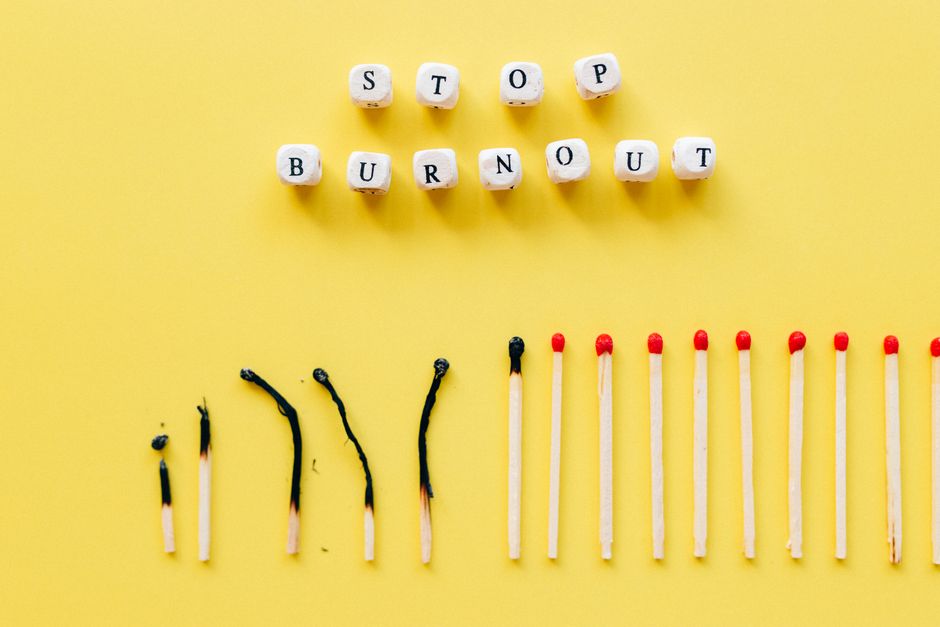
Burnout is a state of exhaustion that comes from prolonged stress, usually tied to work or caregiving, and it does not fix itself with a weekend off. Real recovery follows a sequence: first you reduce the demand that is draining you, then you restore sleep and basic physical health, then you rebuild your sense of control and meaning. Skipping the first step is the most common reason people stay stuck.
What Is Burnout, Exactly?
Burnout is not a medical diagnosis in the standard sense. The World Health Organization includes it in the International Classification of Diseases as an occupational phenomenon, not a medical condition. That distinction matters because it shapes what treatment looks like.
The WHO describes burnout as having three dimensions:
- Feelings of energy depletion or exhaustion
- Increased mental distance from your job, or feelings of negativism or cynicism related to your job
- Reduced professional efficacy
Notice that all three are tied to the workplace context. That is deliberate. The WHO framework specifically excludes burnout from being applied to other areas of life, though researchers and clinicians often use the term more loosely.
This is where a lot of confusion starts. Feeling worn down by a difficult year is not automatically burnout. Burnout has a specific shape: exhaustion plus detachment plus a sense that you are no longer effective. If you have two of those three but not all three, you may be dealing with something else — depression, an anxiety disorder, a thyroid problem, or simply a hard stretch that has not yet crossed into a chronic pattern.
That is not a technicality. Depression and burnout overlap significantly in how they feel, and the treatments are not identical. A clinician can help sort out which one you are dealing with, or whether you are dealing with both. If you have thoughts of harming yourself, that is a crisis, not burnout, and it needs immediate professional help.
Why Rest Alone Does Not Fix Burnout
You cannot sleep your way out of a situation that keeps draining you. This is the central reason burnout recovery fails for so many people.
Think about what happens physiologically during prolonged stress. Your body keeps the stress response switched on. Cortisol, adrenaline, and the systems that regulate heart rate, digestion, and immune function stay in a state they were designed to visit briefly, not inhabit. Over months, that pattern wears on sleep quality, mood, concentration, and physical health.
Now imagine taking a two-week vacation while the underlying job, caregiving load, or life circumstance stays exactly the same. You get some relief. Your body gets a break. But the moment you return, the same demand is waiting, and the stress response re-engages. The vacation did not remove the cause.
This is why recovery has to start with the source. That might mean changing your workload, changing your role, setting limits you have not set before, or in some cases leaving a situation entirely. None of those are easy. All of them address the actual problem.
Some people cannot change the source quickly. In that case, recovery is slower and more partial, and that is an honest thing to acknowledge rather than a failure.
How To Help With Burnout Steps For Real Recovery
Recovery tends to move through stages, and the order matters. Trying to meditate your way through an unsustainable workload is like bailing water without fixing the leak.
Step 1: Reduce or restructure the demand. This is the step people skip. Identify what is actually draining you. Is it hours? Emotional load? Lack of control over your day? Unclear expectations? Conflict with a supervisor? The fix depends on the cause. Sometimes it is a conversation about workload. Sometimes it is a boundary you have been avoiding. Sometimes it is a bigger change. There is no way around this step, only through it.
Step 2: Protect sleep. Sleep is where much of the body’s stress recovery happens. Chronic stress disrupts sleep, and poor sleep makes stress harder to handle — a loop that reinforces itself. Consistent sleep and wake times, a dark and cool room, and limiting alcohol close to bedtime all help. If you snore heavily or wake unrefreshed no matter how long you sleep, that is worth mentioning to a doctor, because sleep apnea can mimic or worsen exhaustion.
Step 3: Restore basic physical health. Regular movement, adequate food, and time outdoors are not luxuries here. They are inputs your body needs to regulate stress. This does not require a fitness program. A daily walk counts.
Step 4: Rebuild a sense of control. Burnout erodes the feeling that your actions matter. Small, deliberate choices — how you structure your morning, what you say yes to — rebuild that sense gradually. This is one reason rigid routines sometimes backfire: they add another demand rather than restoring agency.
Step 5: Reconnect with meaning. The cynicism dimension of burnout often reflects a lost connection to why the work mattered. Rebuilding that can mean reconnecting with colleagues, revisiting what drew you in, or honestly concluding that this particular work is no longer the right fit.
Step 6: Get professional support if you are stuck. Therapy can help with the patterns that keep you in draining situations, and can help distinguish burnout from depression or anxiety. Some clinicians recommend this earlier rather than later. The evidence base for specific burnout interventions is mixed, and no single approach has been shown to work for everyone.





What Actually Helps, According To The Evidence
This is where honesty matters more than encouragement. The research on burnout interventions is not as strong as the marketing around burnout products suggests.
What the evidence does support reasonably well:
- Organizational change. Interventions that change how work is structured — workload, scheduling, autonomy, supervision — tend to show better results than interventions aimed only at the individual. This is the most consistent finding in the literature.
- Cognitive behavioral approaches. Some studies indicate that structured psychological approaches can reduce exhaustion and improve coping, though effects vary.
- Physical activity. Regular movement is associated with better mood and stress regulation across many studies, though it is not a standalone cure for burnout.
- Sleep improvement. Because poor sleep and burnout reinforce each other, addressing sleep tends to help.
What the evidence does not support well:
- Wellness apps and corporate wellness programs as standalone solutions. Some research suggests these can help individuals somewhat, but they do not address the structural causes and are sometimes used to avoid changing the workload itself.
- Supplements marketed for burnout or adrenal fatigue. Adrenal fatigue is not a recognized medical diagnosis. No clinical evidence confirms that supplements marketed for it correct any underlying problem.
- Quick fixes. No product, retreat, or single technique has been shown to resolve burnout on its own.
If a company sells a burnout solution while keeping the conditions that caused it, that is worth noticing.
How Long Does Burnout Recovery Take?
There is no standard timeline, and anyone who gives you one is guessing. Recovery depends on how long the stress has been building, how much you can change the source, and your individual health.
What is reasonable to expect: improvement within weeks if the demand genuinely drops, and a longer period — often months — for full recovery, especially if the pattern has been running for a year or more. Some people find that the exhaustion lifts before the cynicism does. Others notice mood improving before energy returns.
Relapse is common if the underlying conditions return. This is not a personal failing. It reflects that burnout is a response to a situation, not a character flaw.
When To See A Doctor
Burnout shares symptoms with several conditions that need medical attention. See a doctor if you have:
- Persistent exhaustion that does not improve with rest
- Sleep problems that continue despite good sleep habits
- Low mood, loss of interest in things you used to enjoy, or feelings of hopelessness
- Unexplained weight change, hair loss, or feeling cold all the time (possible thyroid issues)
- Any thoughts of harming yourself — seek help immediately
Blood tests can rule out thyroid problems, anemia, and other conditions that produce similar symptoms. This is worth doing before assuming everything is burnout.
Frequently Asked Questions
Can you recover from burnout without changing your job?
Sometimes, if you can change specific conditions within the job — workload, hours, or how you set boundaries. If the core demands stay the same, recovery tends to be partial and slower.
Is burnout the same as depression?
No, though they overlap and can occur together. Burnout is tied specifically to prolonged workplace or caregiving stress, while depression is a broader clinical condition that a doctor can diagnose.
Do burnout supplements or adrenal support products work?
No clinical evidence confirms that supplements marketed for burnout or “adrenal fatigue” correct any underlying problem. Adrenal fatigue is not a recognized medical diagnosis.
How long does burnout last?
There is no standard timeline, but recovery often takes months rather than weeks, especially when the stress has been ongoing for a long time. Improvement usually starts once the source of stress is reduced.
