
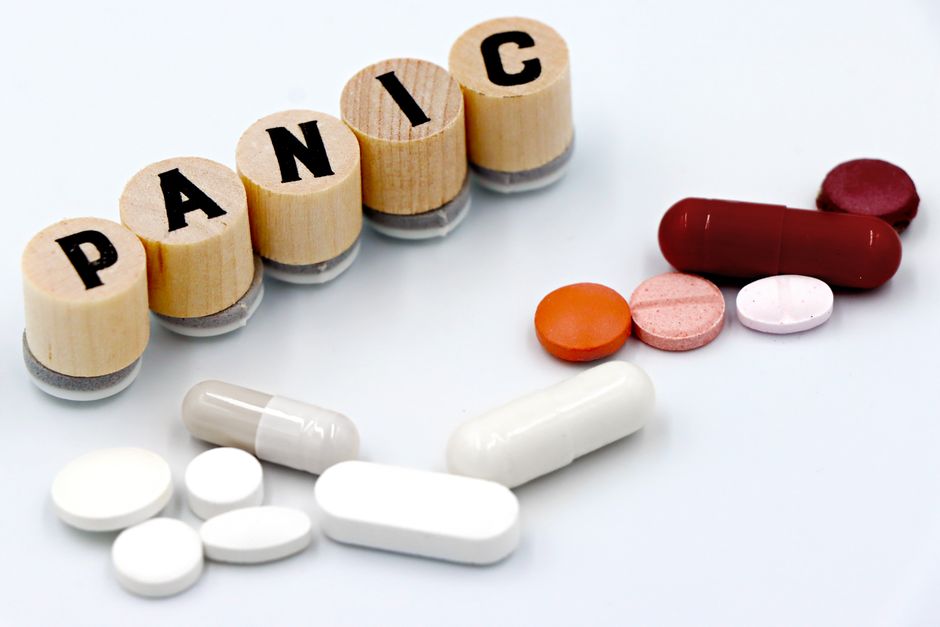
Anxiety can feel overwhelming in the moment, but there are specific techniques that can calm your nervous system quickly, and separate strategies that rewire how your brain handles stress over time. For fast relief, controlled breathing and grounding exercises work within minutes by activating your body’s relaxation response. For long-term change, consistent therapy, regular exercise, and addressing sleep problems reshape your brain’s stress circuits over weeks and months.
What Actually Works For Immediate Anxiety Relief?
When anxiety spikes, your body shifts into fight-or-flight mode. Your heart rate rises, your breathing gets shallow, and your thoughts race. This is your sympathetic nervous system doing its job. The fastest way to interrupt it is to activate the parasympathetic nervous system — the part that calms you down.
Slow, extended exhales are one of the most reliable ways to do this. When you exhale longer than you inhale, you stimulate the vagus nerve, which sends a signal to your brain to lower your heart rate. Try breathing in for four counts, then out for six or eight counts. Repeat for a few minutes.
Physical grounding also works quickly. The 5-4-3-2-1 method is a common technique: name five things you can see, four you can touch, three you can hear, two you can smell, and one you can taste. This forces your brain to shift attention away from internal threat signals and toward the present environment.
Cold water can also snap your nervous system out of a spiral. Splashing cold water on your face or holding an ice cube triggers the mammalian dive reflex, which slows your heart rate and redirects blood flow. It is not a cure, but it can buy you enough calm to think clearly.
How To Help With Anxiety Fast And Long Term Through Breathing
Breathing techniques are the rare intervention that works both immediately and with lasting effect. The key is consistency. Occasional deep breathing during a panic attack helps in the moment, but daily practice changes your baseline.
Research on heart rate variability shows that people who practice slow breathing regularly develop greater flexibility in their autonomic nervous system. This means their bodies can shift between calm and alert states more smoothly, without getting stuck in high alert.
The physiological sigh is one technique with strong scientific backing. It involves two sharp inhales through the nose followed by one long exhale through the mouth. Studies have shown this pattern reduces stress levels faster than mindfulness meditation or simple deep breathing in controlled comparisons.
Box breathing is another option used by military personnel and first responders. Inhale for four counts, hold for four, exhale for four, hold for four. Repeat. The equal timing creates a predictable rhythm that your nervous system learns to associate with safety.
Whichever technique you choose, the goal is the same: slow your breathing to roughly six breaths per minute. This rate has been shown to optimize heart rate variability and trigger the relaxation response.
What Does Anxiety Actually Do To Your Body?
Understanding the physical mechanism of anxiety makes it less frightening. When your brain perceives a threat, the amygdala sends an alarm signal to your hypothalamus. This triggers the release of adrenaline and cortisol from your adrenal glands.
Adrenaline acts fast. Within seconds, it increases your heart rate, raises your blood pressure, and diverts blood flow to your muscles. This is why your hands shake and your stomach knots up. Your body is preparing to fight or flee, even if the threat is just an email or a social situation.
Cortisol acts slower but lasts longer. It keeps blood sugar elevated and suppresses non-essential functions like digestion and reproduction. Chronic anxiety means chronic cortisol exposure, which over time can affect sleep quality, immune function, and even memory.
The prefrontal cortex — the part of your brain responsible for logical thinking — goes offline during acute anxiety. This is why you cannot “think your way out” of a panic attack. The rational brain is literally underactive while the emotional brain is overactive. This is why physical techniques that calm the body often work better than mental reassurance during an acute episode.




Long Term Strategies That Change Your Brain
Fast relief techniques stop the immediate spiral, but they do not address why your brain became so sensitive to threat in the first place. Long-term change requires consistent practice that gradually retrains your neural pathways.
Cognitive behavioral therapy has the strongest evidence base for anxiety disorders. It works by identifying the thought patterns that fuel anxiety and testing them against reality. Over time, this reduces the brain’s tendency to overestimate danger and underestimate your ability to cope.
Aerobic exercise is another powerful long-term intervention. Regular cardiovascular activity increases levels of brain-derived neurotrophic factor, a protein that supports the growth of new neurons in the hippocampus. This brain region helps regulate the stress response. People who exercise regularly show lower baseline anxiety levels and recover from stressful events more quickly.
Sleep deserves special attention. Poor sleep and anxiety create a vicious cycle. Anxiety makes it hard to fall asleep, and sleep deprivation makes the amygdala more reactive the next day. Addressing sleep problems — whether through better sleep hygiene or treatment for insomnia — is often a necessary step for lasting anxiety reduction.
Limiting caffeine and alcohol also matters. Caffeine blocks adenosine receptors in the brain, which can mimic or amplify anxiety symptoms. Alcohol initially depresses the nervous system but causes rebound anxiety as it wears off. Some people mistake this rebound for their baseline anxiety returning, when it is actually a withdrawal effect.
When Should You Seek Professional Help?
Anxiety becomes a disorder when it interferes with daily functioning. If you are avoiding work, school, or social situations because of anxiety, or if it consistently disrupts your sleep, professional help is appropriate.
Several treatment options have strong evidence behind them. Therapy — particularly cognitive behavioral therapy or acceptance and commitment therapy — is effective for most anxiety disorders. Medication, including selective serotonin reuptake inhibitors, is another well-established option. Some people benefit from both together.
No clinical guidelines currently recommend herbal supplements as a first-line treatment for anxiety disorders. Some studies suggest that certain supplements may have a mild calming effect, but the evidence is limited and results vary. Ashwagandha and L-theanine have shown some promise in small studies, but larger trials are needed before these can be recommended with confidence.
If you have frequent panic attacks, persistent worry that you cannot control, or physical symptoms like chest pain and shortness of breath that have not been medically evaluated, see a healthcare provider. These symptoms can overlap with heart conditions and other medical issues that need proper assessment.
Building A Daily Routine That Prevents Anxiety
Anxiety thrives on unpredictability. A consistent daily structure gives your nervous system a sense of safety. This does not mean rigid scheduling — it means anchoring your day with a few predictable elements.
A morning routine that includes some movement, natural light exposure, and a proper breakfast can stabilize your blood sugar and your mood. Skipping meals causes blood sugar drops that can trigger physical symptoms mimicking anxiety, such as shakiness and irritability.
Schedule worry time if you are prone to rumination. Set aside ten minutes each day to write down your worries. When anxious thoughts appear outside that window, remind yourself that they have a designated time. This technique, called stimulus control, is used in cognitive behavioral therapy for generalized anxiety.
Social connection is another protective factor. Isolation amplifies anxiety because your brain interprets being alone as being vulnerable. Regular contact with trusted people — even brief phone calls — helps regulate your nervous system through the same attachment pathways that calm infants.
What Makes Anxiety Worse Without Realizing It?
Some habits that feel like coping mechanisms actually maintain anxiety. Avoidance is the biggest one. When you avoid a feared situation, you get immediate relief. This relief reinforces the avoidance, and the anxiety grows stronger each time you avoid.
Reassurance seeking works the same way. Asking others repeatedly whether you are okay provides temporary relief but trains your brain to need external confirmation. The anxiety returns stronger each time because you never learn that you can tolerate uncertainty on your own.
Checking behaviors — like repeatedly checking your heart rate, looking for exits, or scanning for threats — keep your attention locked on danger. This maintains the anxiety cycle even when there is no actual threat present.
Breaking these cycles requires tolerating short-term discomfort for long-term gain. This is the core principle of exposure therapy. You gradually face feared situations without avoiding or seeking reassurance, and your brain learns through experience that the feared outcome does not occur.
Frequently Asked Questions
What is the fastest way to calm an anxiety attack?
Slow breathing with an extended exhale is the fastest reliable method. Breathe in for four counts and out for six to eight counts for several minutes.
Can anxiety go away permanently?
Many people experience significant long-term improvement with treatment, but anxiety is often a chronic condition that requires ongoing management. Think of it like physical fitness — you maintain the gains with regular practice.
Does exercise help with anxiety long term?
Yes, regular aerobic exercise is one of the most effective long-term strategies for reducing anxiety. It works by increasing brain chemicals that support stress resilience and by providing a natural outlet for excess nervous energy.
When should I take medication for anxiety?
Medication is appropriate when anxiety significantly interferes with daily life or when therapy alone has not been sufficient. A healthcare provider can help you weigh the benefits and risks based on your specific situation.
